How to Say "city center" in Spanish
The most common Spanish word for “city center” is “centro” — use 'centro' when referring to the general downtown area or the main commercial and social hub of a city without necessarily implying historical significance.

Use 'centro' when referring to the general downtown area or the main commercial and social hub of a city without necessarily implying historical significance.
Learn more →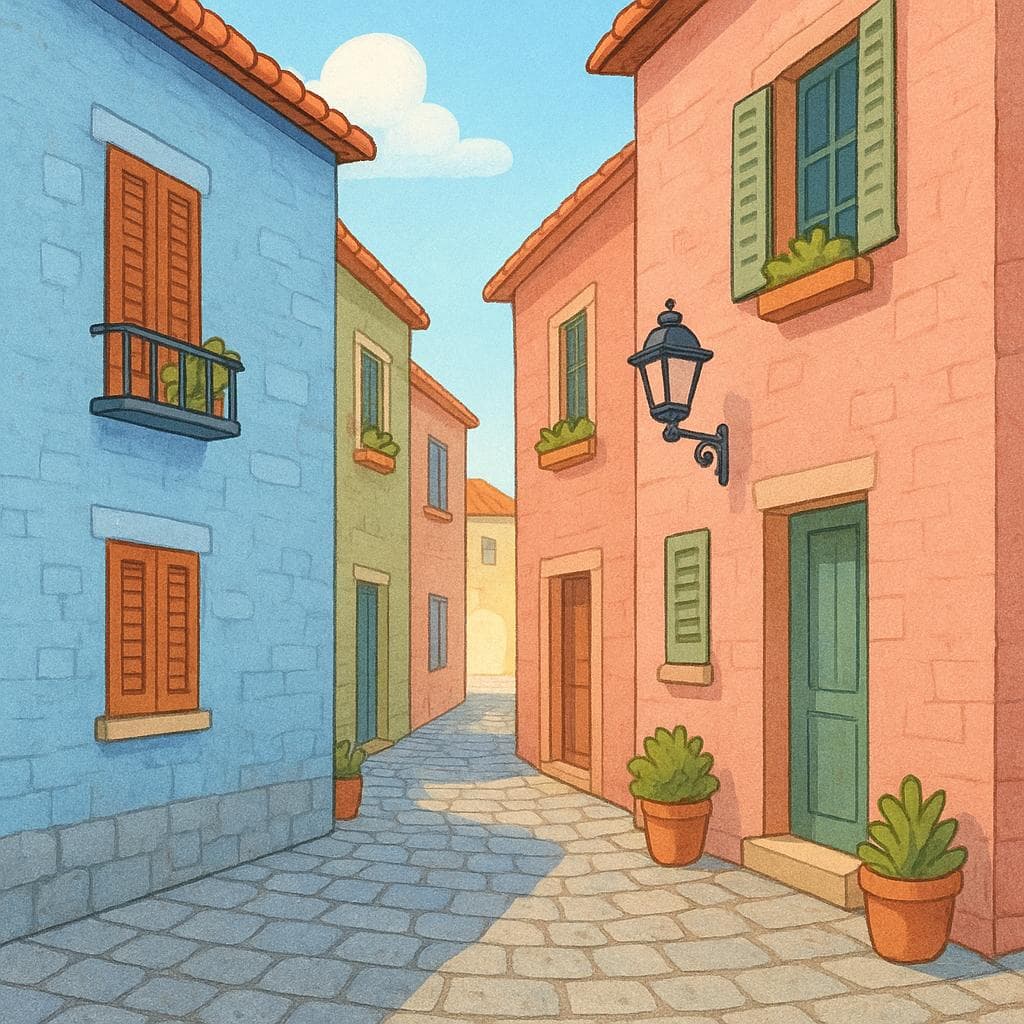
Use 'casco' when referring to the old town, historic center, or the original urban core of a city, often characterized by older architecture.
Learn more →SEN-troˈsen.tɾo

Examples
Vamos al centro a cenar esta noche.
Let's go downtown to have dinner tonight.
Mi oficina está en el centro de la ciudad.
My office is in the city center.
El centro histórico es muy bonito por la noche.
The historic downtown is very beautiful at night.
'Centro' vs. 'Ciudad'
Mistake: “Voy a la ciudad. (when you mean 'downtown')”
Correction: Voy al centro. 'Ciudad' means the entire city, while 'centro' refers to the main, central part of it.
kás-kohˈkasko
Examples
Vamos a cenar en un restaurante del casco antiguo.
We are going to have dinner at a restaurant in the old quarter.
El ayuntamiento está situado en el casco urbano.
The city hall is located in the urban core/city center.
Fixed Phrase
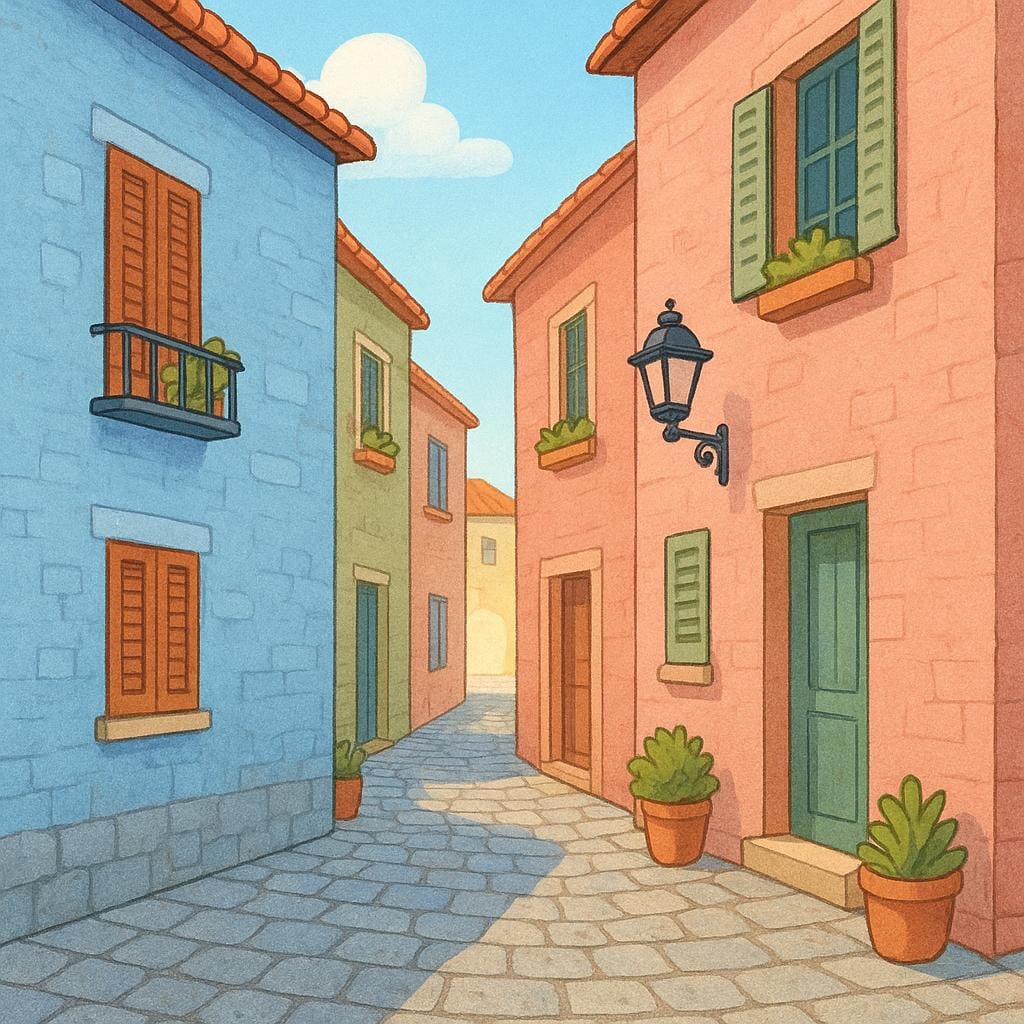
When referring to the center of a city, 'casco' is almost always paired with the adjectives 'antiguo' (old/historic) or 'urbano' (urban).
Centro vs. Casco
Learners often use 'casco' for any city center, but it specifically refers to the historic or old part of town. If you're just talking about the main shopping or business district, 'centro' is usually the more appropriate and common term.
Related Translations
Learn Spanish with Inklingo
Interactive stories, personalized learning, and more.