How to Say "dancing" in Spanish
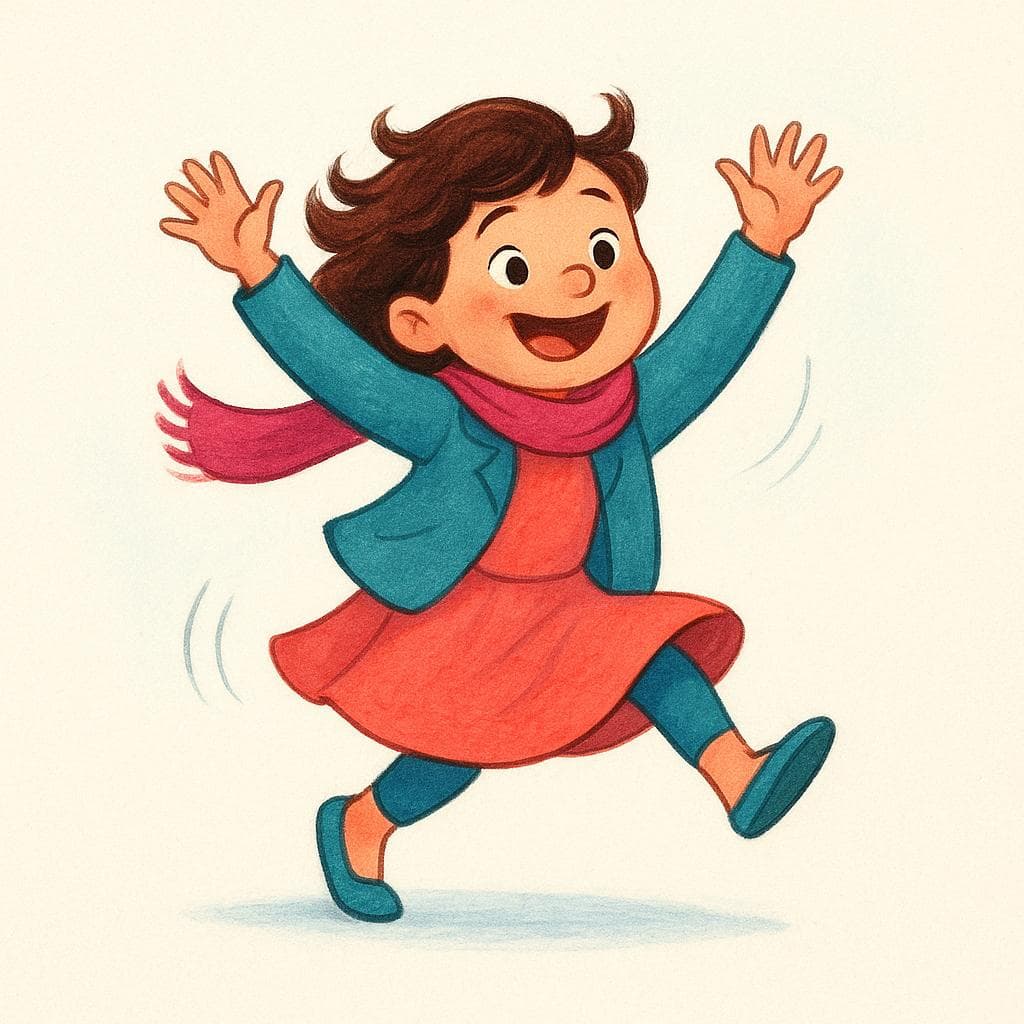
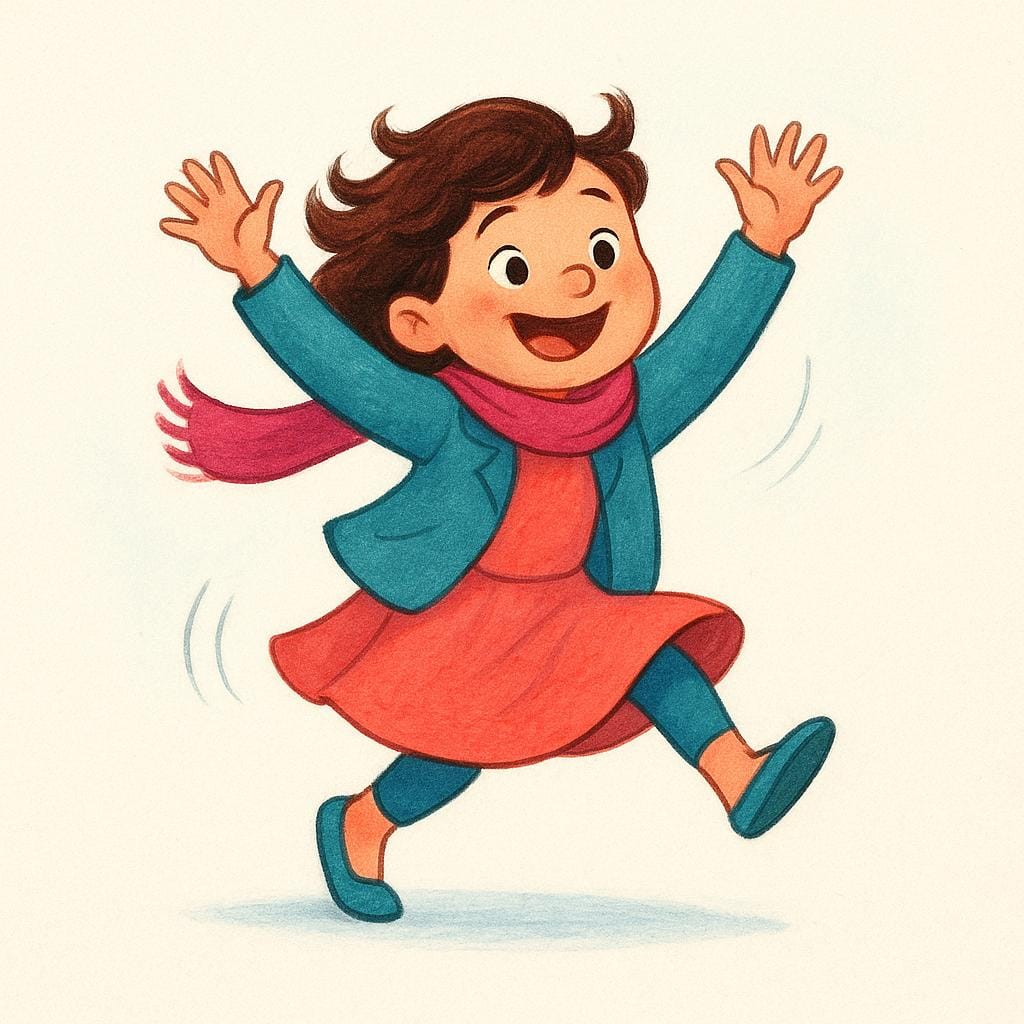
The most common Spanish word for “dancing” is “bailando” — use 'bailando' when you want to express the action of dancing as it is happening right now, similar to the '-ing' form of verbs in English.
bailando
bye-LAHN-dohbaiˈlando
Examples
Mi hermana está bailando en la fiesta ahora mismo.
My sister is dancing at the party right now.
Vimos a la gente cantando y bailando en la calle.
We saw the people singing and dancing in the street.
Terminó la noche bailando con sus amigos hasta el amanecer.
She ended the night dancing with her friends until dawn.
The '-ing' Form
This word, 'bailando,' is the gerund, which is the Spanish equivalent of the English '-ing' form (like 'running' or 'eating').
Continuous Actions
You must use 'estar' (to be) plus 'bailando' to talk about something happening at the moment: 'Estamos bailando' (We are dancing).
Invariable Form
'Bailando' never changes its ending, no matter who is doing the action (I, you, he, they) or whether the subject is masculine or feminine. It always stays 'bailando'.
Using 'Ser' Instead of 'Estar'
Mistake: “Soy bailando.”
Correction: Estoy bailando. Remember, 'estar' is used for temporary states or actions happening now, while 'ser' is for permanent identity.
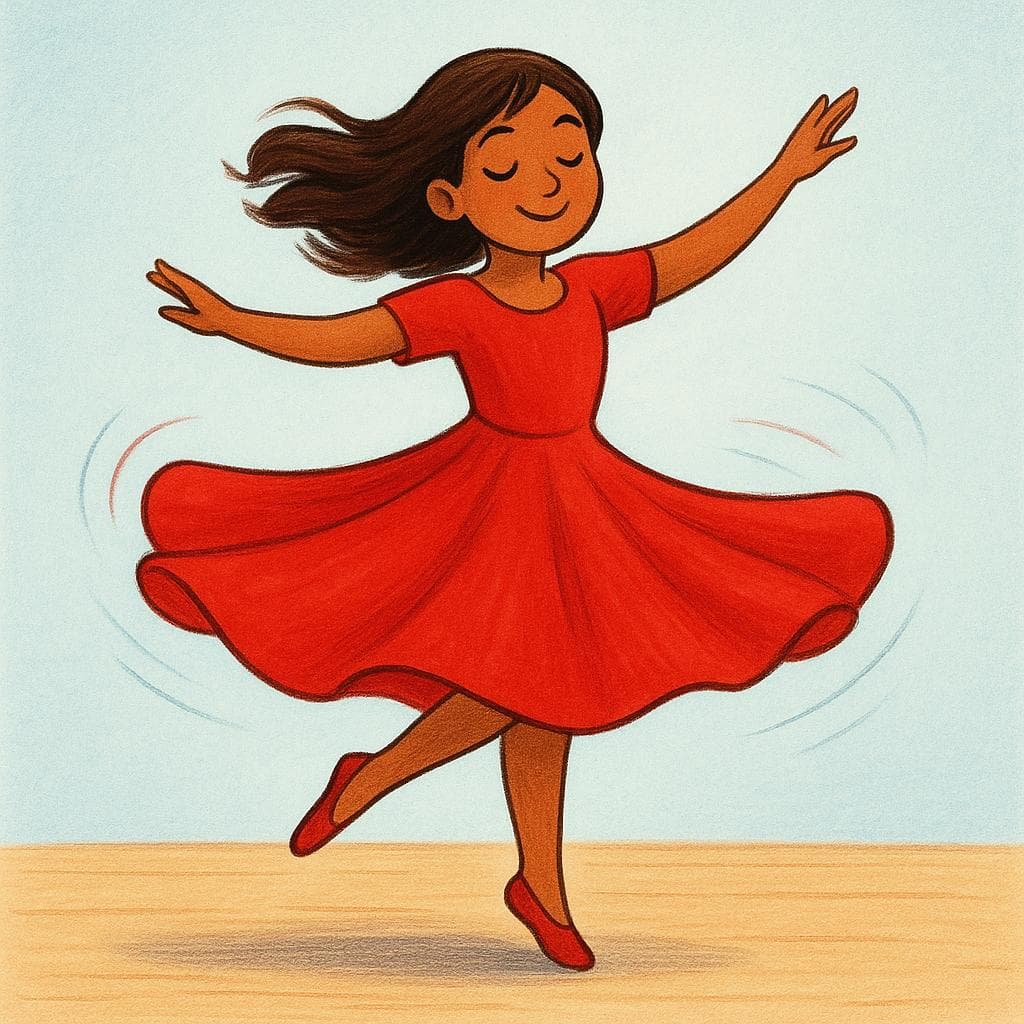
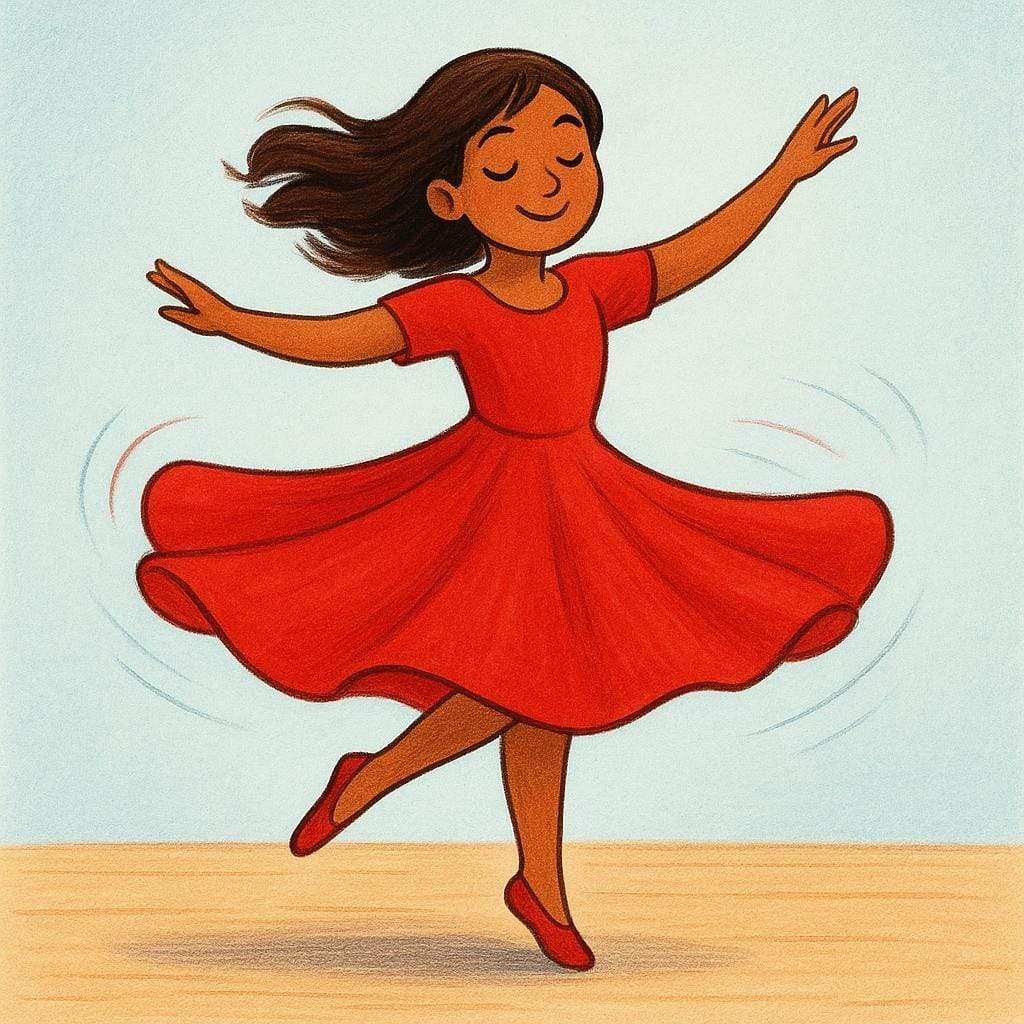
danza
DAHN-sahˈdanθa
Examples
La danza clásica requiere mucha disciplina.
Classical dance requires a lot of discipline.
Vimos una danza tradicional de la región andina.
We saw a traditional dance from the Andean region.
Ella se especializa en danza contemporánea.
She specializes in contemporary dance.
Feminine Noun Rule
Since 'danza' is a feminine word, you must use the feminine articles 'la' (the) or 'una' (a/an) before it. For example, 'La danza es hermosa' (The dance is beautiful).
Confusing 'Danza' and 'Baile'
Mistake: “Using 'danza' when talking about social dancing (e.g., 'Vamos a la danza' when meaning 'Let's go dancing').”
Correction: Use 'baile' for social events or general dancing ('Vamos al baile'). 'Danza' is reserved for artistic, staged, or specific traditional forms.
bailarín
Examples
Mi abuelo es muy bailarín; nunca se pierde una fiesta.
My grandfather is very fond of dancing; he never misses a party.
Bailando vs. Danza vs. Bailarín
Related Translations
Learn Spanish with Inklingo
Interactive stories, personalized learning, and more.