How to Say "dance" in Spanish
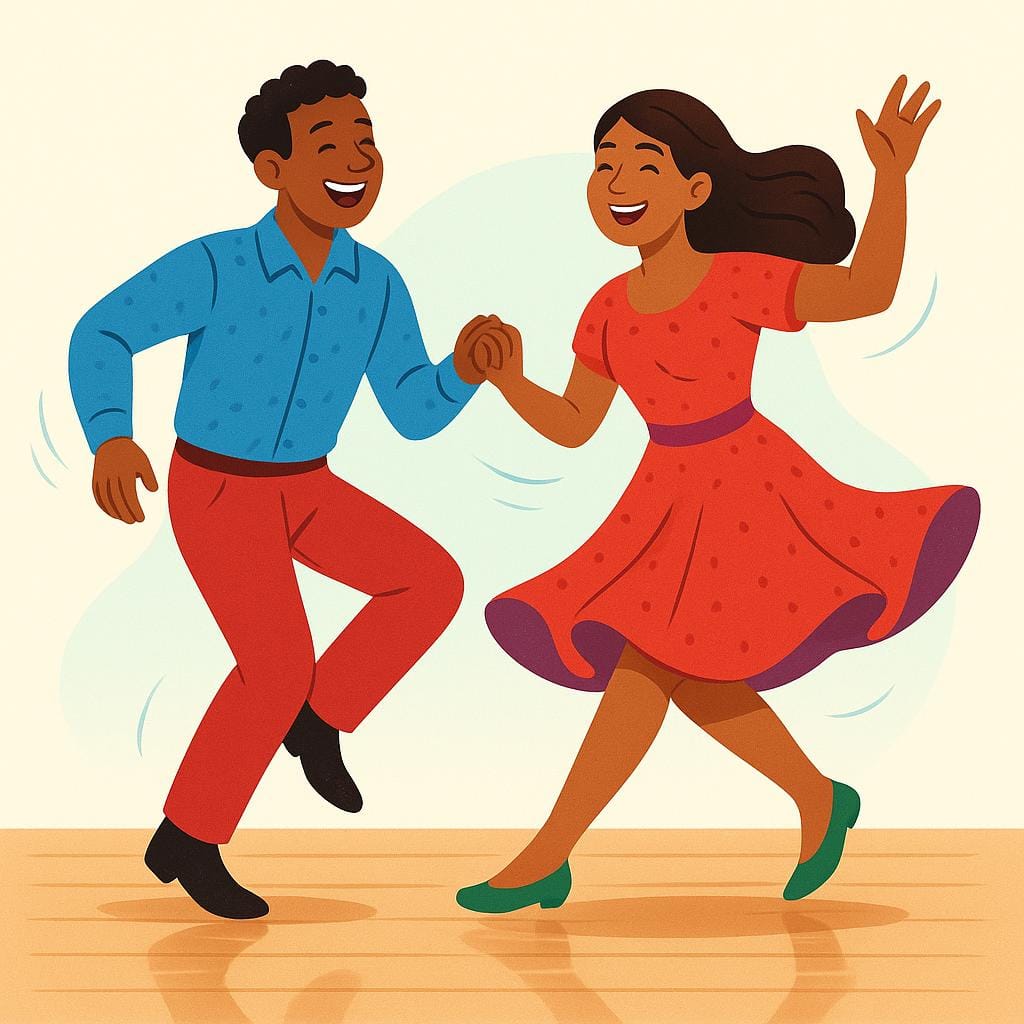
The most common Spanish word for “dance” is “baile” — use 'baile' when referring to the general act or event of dancing, or a specific type of social dance.
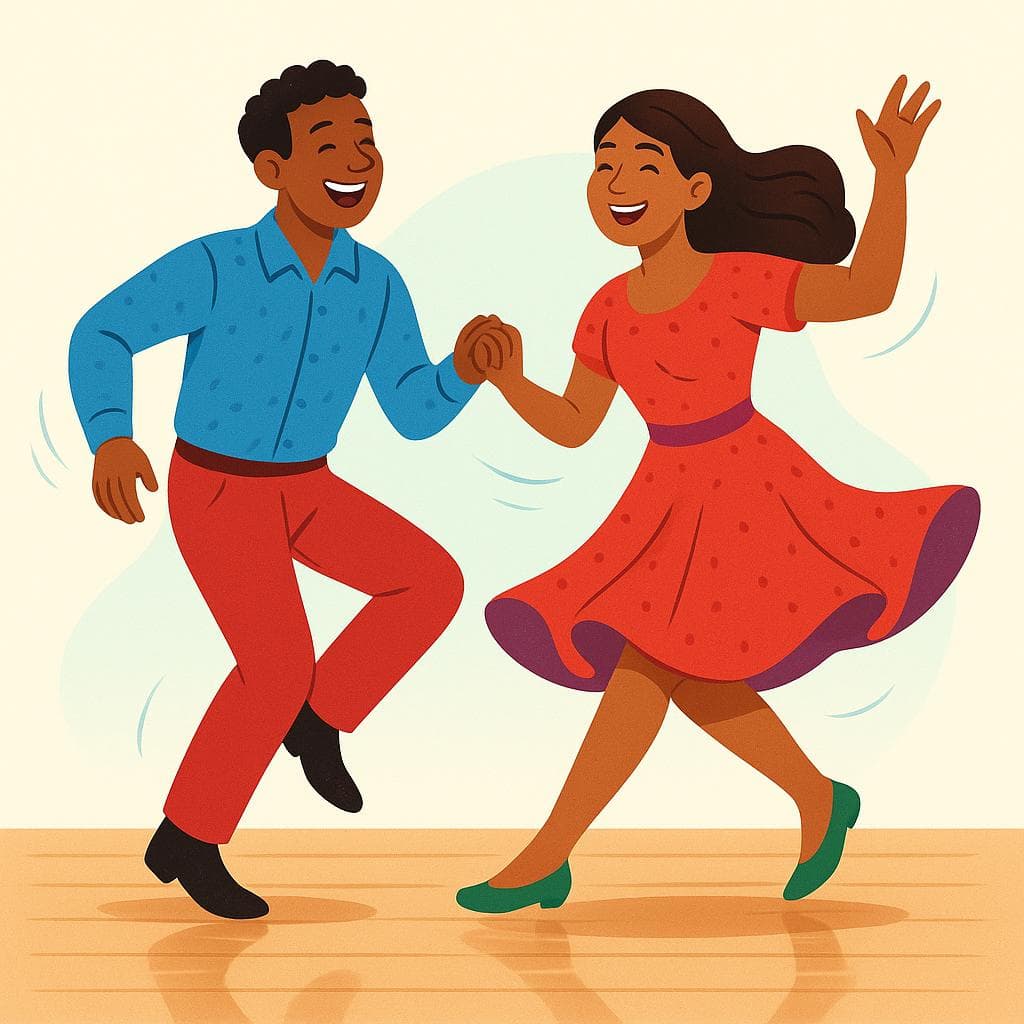
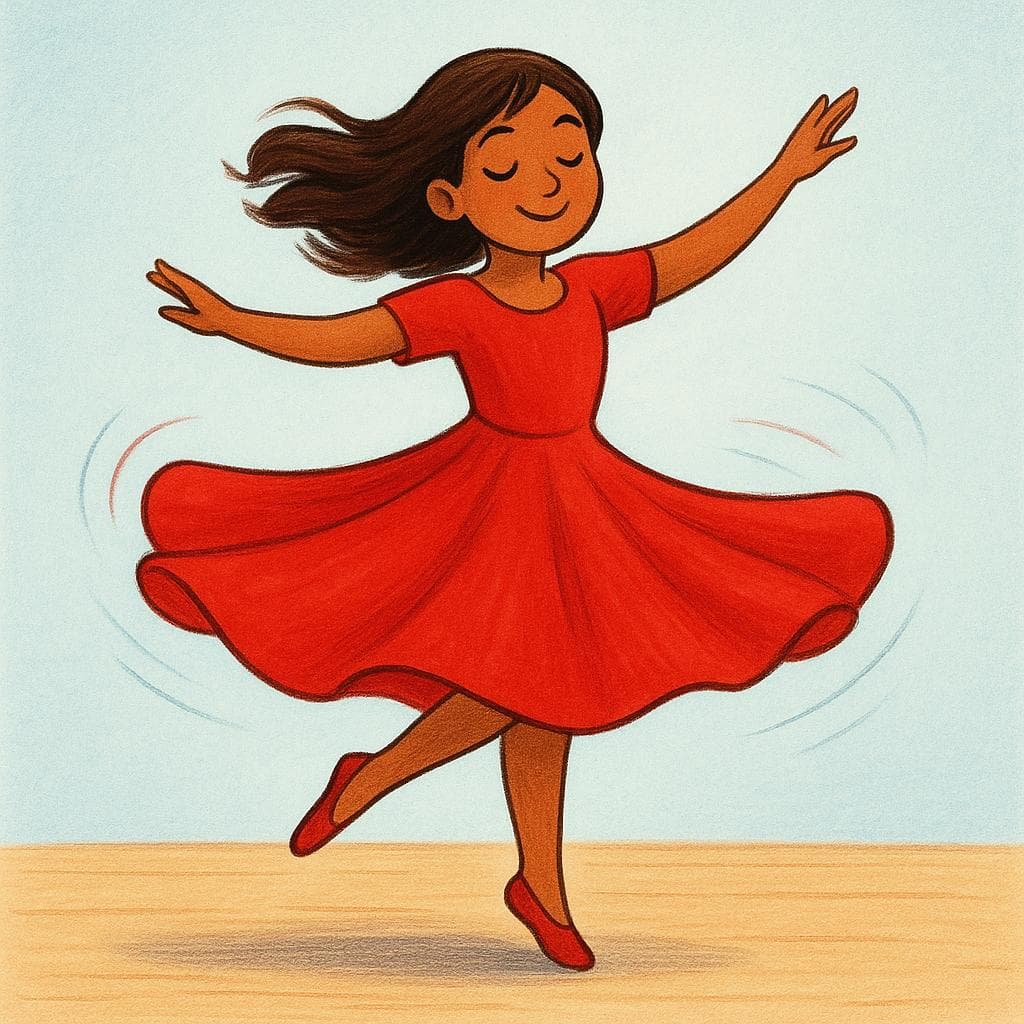
baile
BAI-lehˈbai̯.le
Examples
Me encanta el baile flamenco.
I love flamenco dancing.
¿Vas a ir al baile de la escuela el viernes?
Are you going to the school dance on Friday?
Organizaron un baile de caridad para recaudar fondos.
They organized a charity ball to raise funds.
Mi profesor quiere que yo baile en el festival.
My teacher wants me to dance in the festival.
It's a Masculine Noun
Even though it ends in 'e', 'baile' is masculine. Always use 'el' or 'un' with it. For example, 'El baile fue divertido' (The dance was fun).
A Special Form for Wishes and Doubts
This form, 'baile', is used after phrases that express wishes, doubts, or emotions. For example, 'Espero que él baile' (I hope that he dances).
Giving a Polite Command
To politely tell someone you address as 'usted' to dance, you use this form: '¡Baile, por favor!' (Dance, please!).
Using 'baila' instead of 'baile'
Mistake: “Incorrect: Espero que ella baila bien.”
Correction: Correct: Espero que ella baile bien. The phrase 'Espero que...' (I hope that...) signals the need for this special 'baile' form.
baile
BAI-lehˈbai̯.le
Examples
Mi profesor quiere que yo baile en el festival.
My teacher wants me to dance in the festival.
Me encanta el baile flamenco.
I love flamenco dancing.
¿Vas a ir al baile de la escuela el viernes?
Are you going to the school dance on Friday?
Organizaron un baile de caridad para recaudar fondos.
They organized a charity ball to raise funds.
It's a Masculine Noun
Even though it ends in 'e', 'baile' is masculine. Always use 'el' or 'un' with it. For example, 'El baile fue divertido' (The dance was fun).
A Special Form for Wishes and Doubts
This form, 'baile', is used after phrases that express wishes, doubts, or emotions. For example, 'Espero que él baile' (I hope that he dances).
Giving a Polite Command
To politely tell someone you address as 'usted' to dance, you use this form: '¡Baile, por favor!' (Dance, please!).
Using 'baila' instead of 'baile'
Mistake: “Incorrect: Espero que ella baila bien.”
Correction: Correct: Espero que ella baile bien. The phrase 'Espero que...' (I hope that...) signals the need for this special 'baile' form.
danza
DAHN-sahˈdanθa
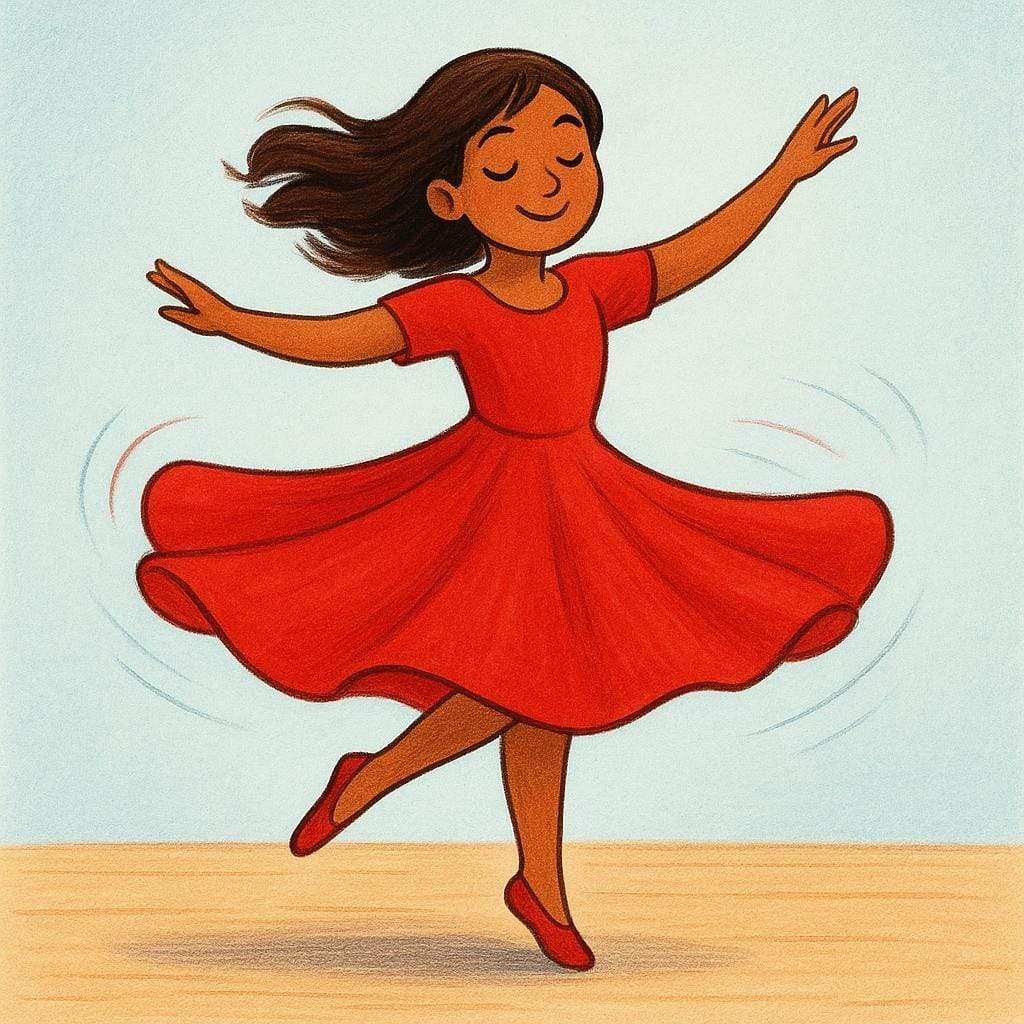
Examples
La danza clásica requiere mucha disciplina.
Classical dance requires a lot of discipline.
Vimos una danza tradicional de la región andina.
We saw a traditional dance from the Andean region.
Ella se especializa en danza contemporánea.
She specializes in contemporary dance.
Feminine Noun Rule
Since 'danza' is a feminine word, you must use the feminine articles 'la' (the) or 'una' (a/an) before it. For example, 'La danza es hermosa' (The dance is beautiful).
Confusing 'Danza' and 'Baile'
Mistake: “Using 'danza' when talking about social dancing (e.g., 'Vamos a la danza' when meaning 'Let's go dancing').”
Correction: Use 'baile' for social events or general dancing ('Vamos al baile'). 'Danza' is reserved for artistic, staged, or specific traditional forms.
Baile vs. Danza
Learn Spanish with Inklingo
Interactive stories, personalized learning, and more.