How to Say "descendant" in Spanish
The most common Spanish word for “descendant” is “descendiente” — use 'descendiente' when referring to a specific person who is related to a particular ancestor, emphasizing lineage.
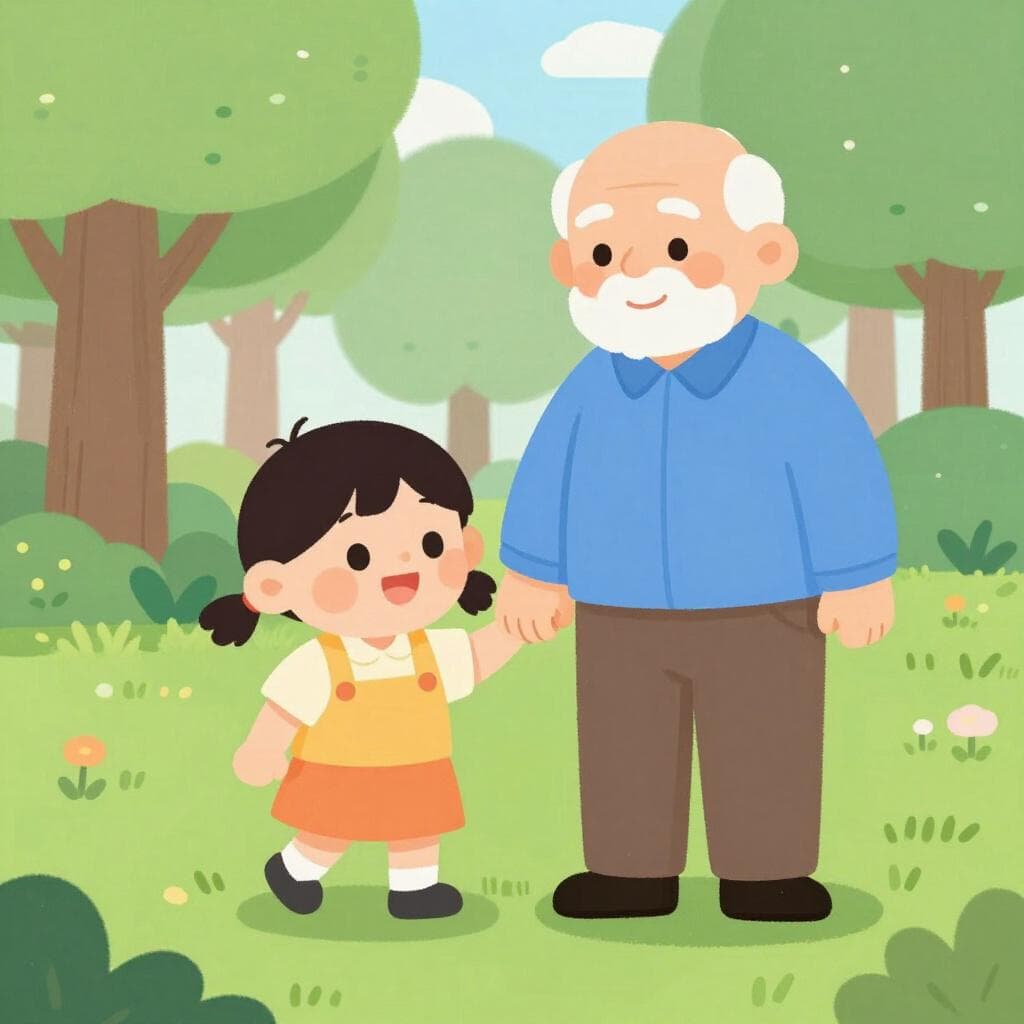
Use 'descendiente' when referring to a specific person who is related to a particular ancestor, emphasizing lineage.
Learn more →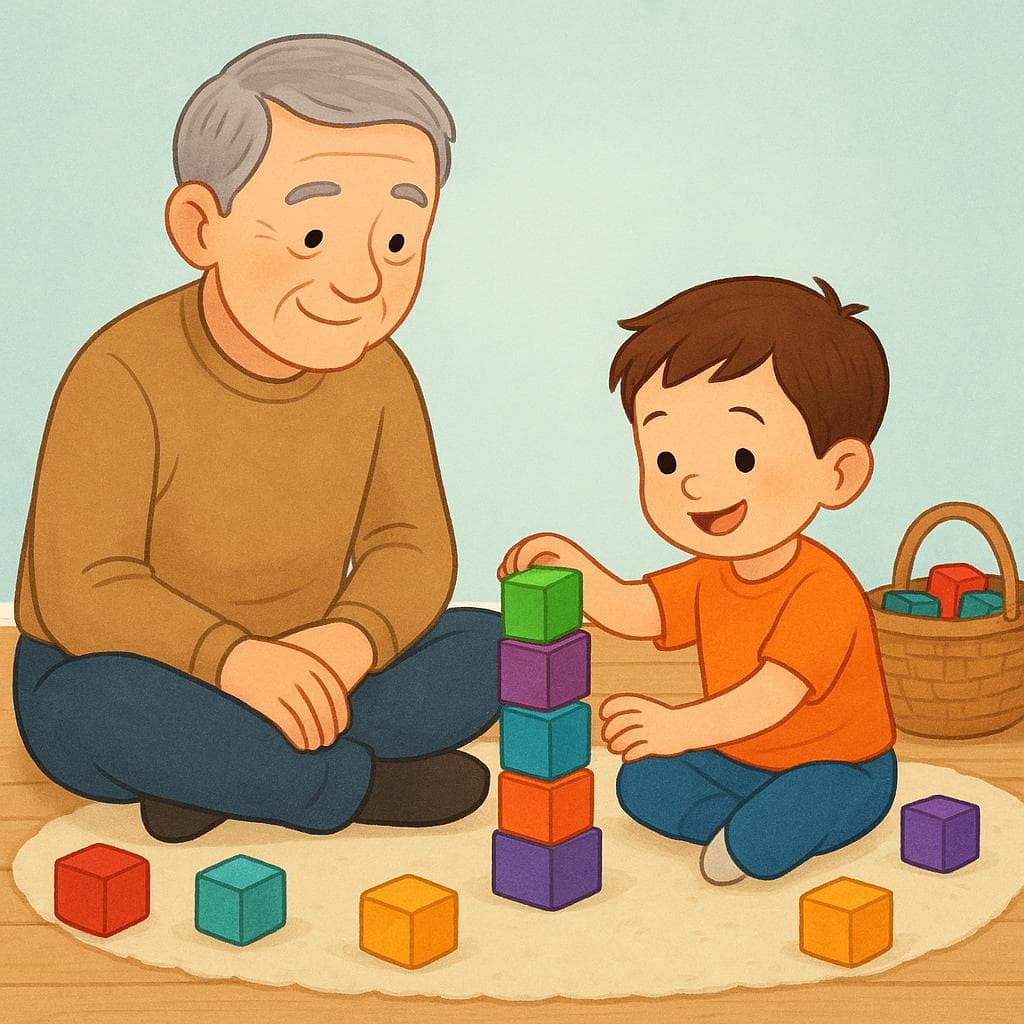
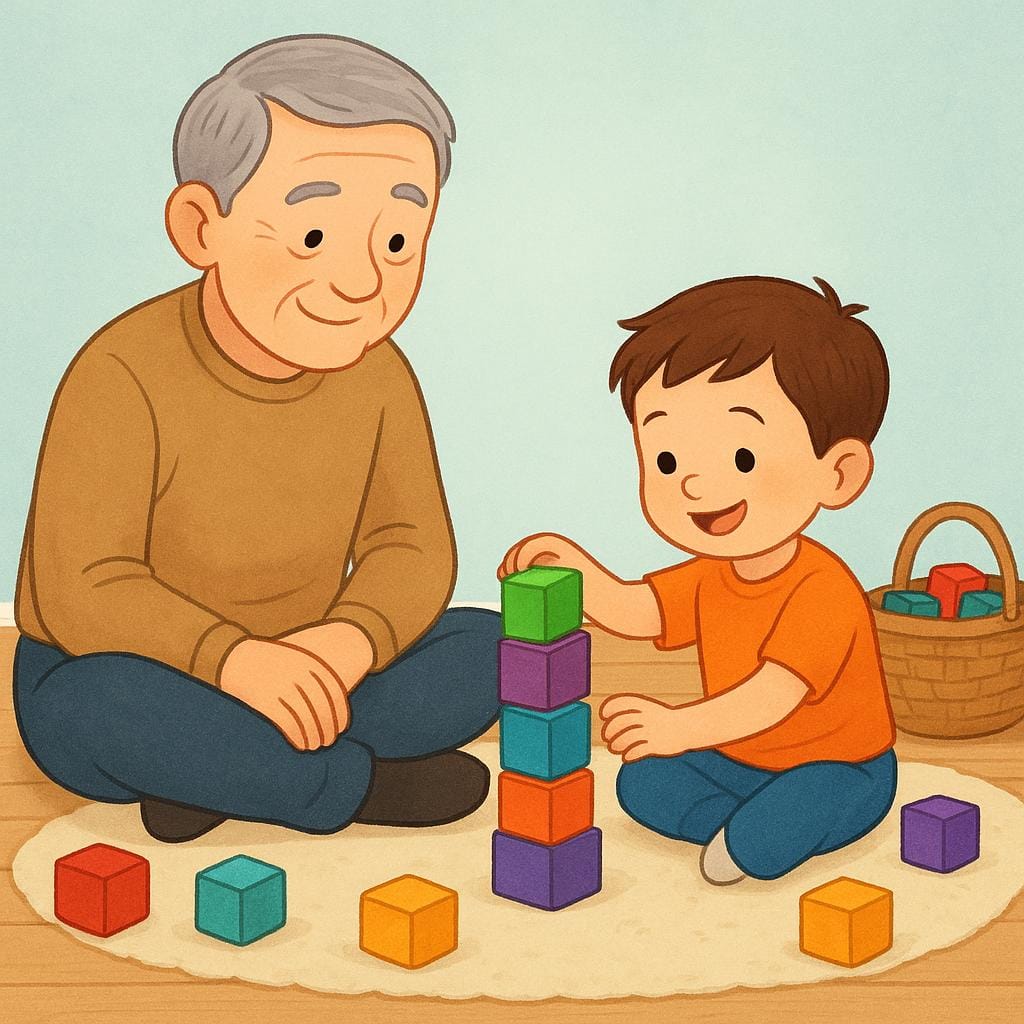
Use 'nieto' (often in the plural 'nietos') when referring to grandchildren or descendants in a more general, familial sense, especially when the speaker is the ancestor.
Learn more →des-en-DYEN-tehdesenˈdjente

Examples
Ella dice que es descendiente de una familia noble.
She says she is a descendant of a noble family.
Los descendientes de los colonos aún viven en esta región.
The descendants of the settlers still live in this region.
No dejó ningún descendiente directo al morir.
He left no direct descendant when he died.
One word for both genders
This word stays the same whether you are talking about a man or a woman. Just change the 'el' or 'la' in front: 'el descendiente' or 'la descendiente'.
Using 'de' for origin
When saying who someone is a descendant of, always use the word 'de' (of) immediately after 'descendiente'.
Confusing with 'hijo'
Mistake: “Calling your son 'mi descendiente' in a casual conversation.”
Correction: Use 'hijo' for your immediate child. Use 'descendiente' for broader family history or formal contexts.
NYEH-tohˈnje.to
Examples
Mi abuelo me dio un regalo. Soy su nieto favorito.
My grandfather gave me a gift. I am his favorite grandson.
Mis padres tienen tres nietos y una nieta.
My parents have three grandsons and one granddaughter.
Los nietos de Don Ricardo siempre visitan la casa en verano.
Don Ricardo's grandchildren always visit the house in the summer.
Gender Pairing
In Spanish, family words often change based on gender. 'Nieto' is the male form (grandson), and 'nieta' is the female form (granddaughter).
The Plural 'Nietos'
When you use the plural 'nietos,' it usually means 'grandchildren' in general, even if the group includes girls ('nietas').
Confusing Gender
Mistake: “Using 'nieto' to refer to a girl.”
Correction: Always use 'nieta' for a girl and 'nieto' for a boy. The word ending tells you the gender.
Descendiente vs. Nieto
Learners often confuse 'descendiente' and 'nieto'. Remember that 'descendiente' focuses on lineage from a specific ancestor, while 'nieto' (especially plural 'nietos') is more common for referring to one's own grandchildren or descendants in a general, familial context.
Related Translations
Learn Spanish with Inklingo
Interactive stories, personalized learning, and more.