nieto
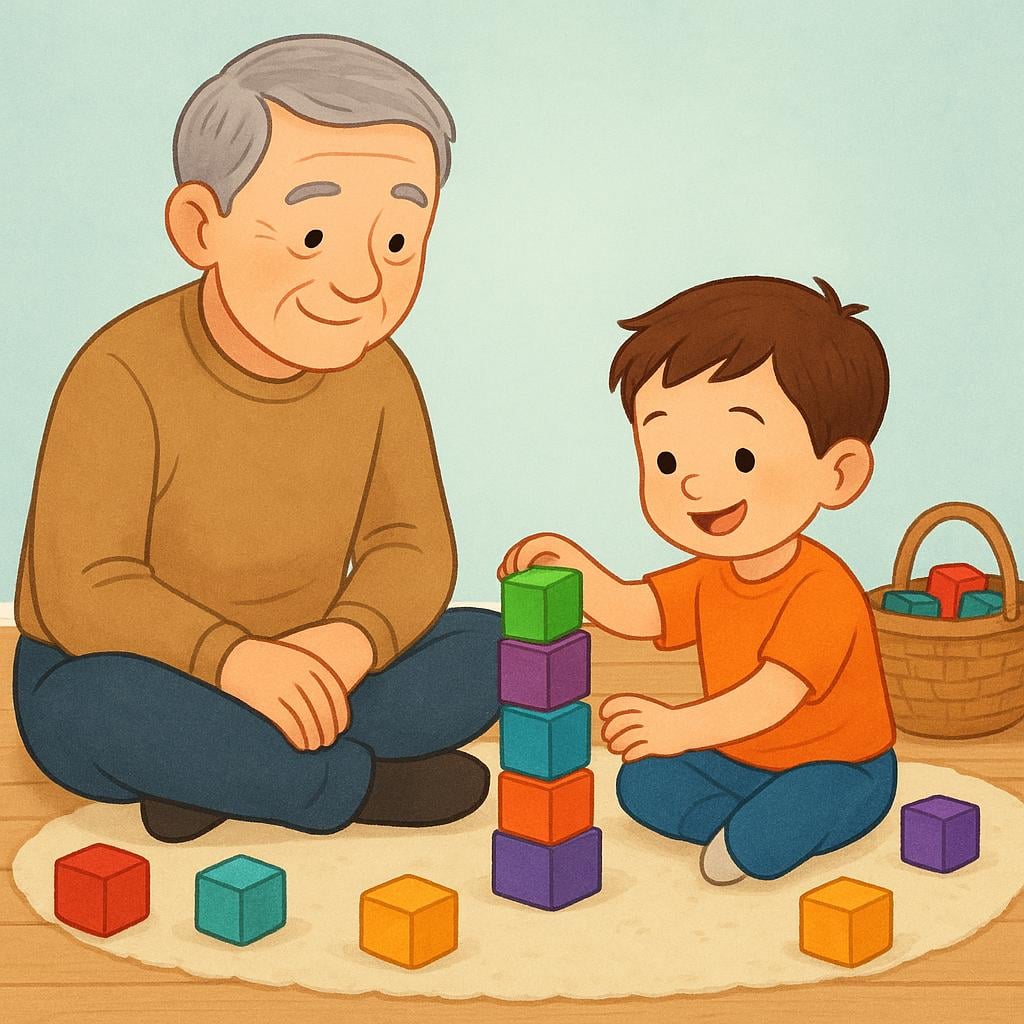
“nieto” means “grandson” in Spanish (The son of one's son or daughter.).
grandsonAlso: descendant
📝 In Action
Mi abuelo me dio un regalo. Soy su nieto favorito.
A1My grandfather gave me a gift. I am his favorite grandson.
Mis padres tienen tres nietos y una nieta.
A2My parents have three grandsons and one granddaughter.
Los nietos de Don Ricardo siempre visitan la casa en verano.
A2Don Ricardo's grandchildren always visit the house in the summer.
Word Connections
Translate to Spanish
Words that translate to "nieto" in Spanish:
✏️ Quick Practice
Quick Quiz: nieto
Question 1 of 2
If María is the daughter of Juan, and Pablo is the son of María, what is Pablo to Juan?
📚 More Resources
👥 Word Family
🎵 Rhymes
📚 Etymology
The word 'nieto' comes from the Latin word *nepos*. Interestingly, in Latin, *nepos* could mean both 'grandson' and 'nephew.' Spanish eventually developed separate words for these roles, specializing 'nieto' for the relationship with grandparents.
First recorded: 13th century
Cognates (Related words)
💡 Master Spanish
Take your Spanish to the next level. Read 200+ illustrated and narrated Spanish stories tailored to your level with the Inklingo app!
Frequently Asked Questions
Is 'nieto' ever used to mean 'nephew' in modern Spanish?
No. While the historical root of 'nieto' meant both 'grandson' and 'nephew,' modern Spanish strictly uses 'sobrino' for nephew and 'nieto' for grandson.
How do I say 'great-grandson'?
You add 'bis-' to the word: 'bisnieto'. This prefix is used for relationships two steps removed, like 'bisabuelo' (great-grandfather).