How to Say "disgust" in Spanish
The most common Spanish word for “disgust” is “asco” — use 'asco' for a strong, visceral feeling of revulsion, often related to unpleasant sights, smells, or tastes.


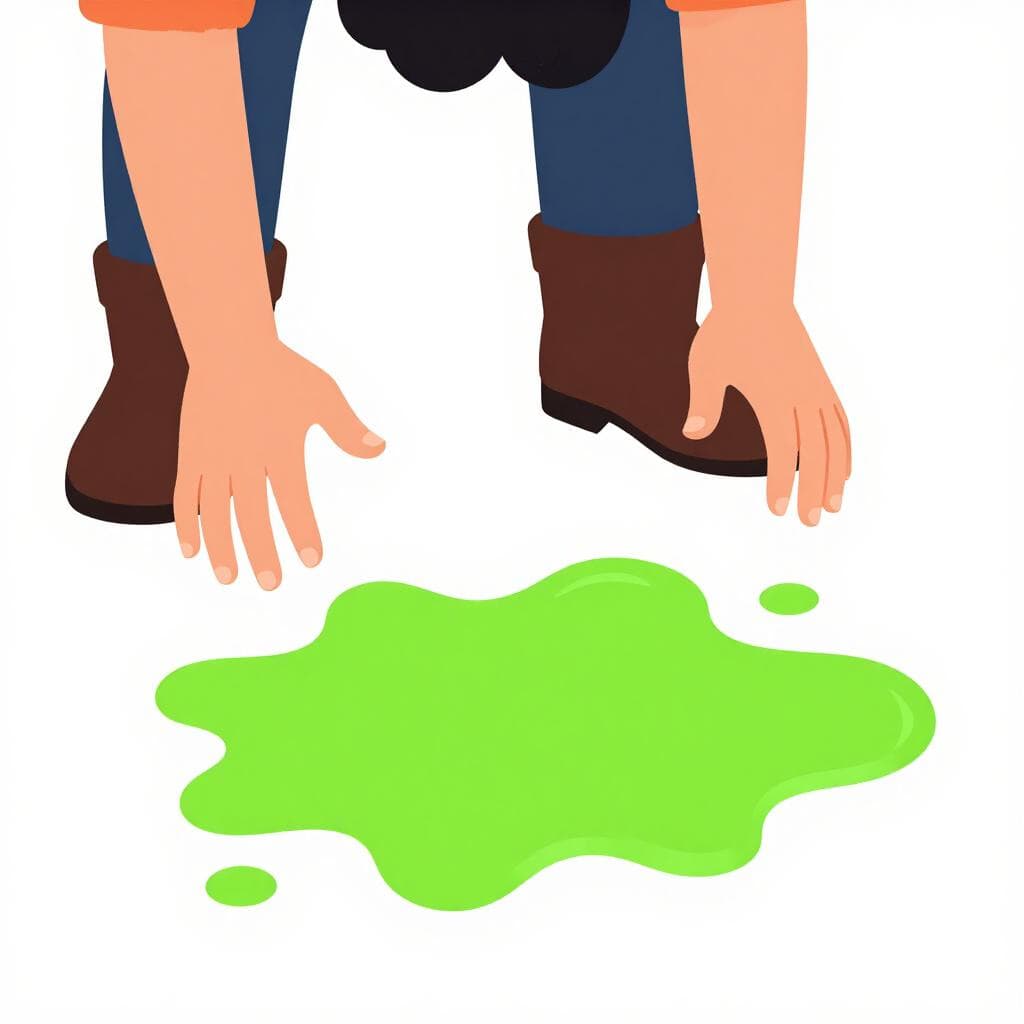
asco
ahs-kohˈasko

Examples
El olor a pescado podrido me dio mucho asco.
The smell of rotten fish gave me a lot of disgust (made me feel sick).
¡Qué asco! No puedo creer que comiste eso.
How disgusting! I can't believe you ate that.
Siento asco por la crueldad animal.
I feel loathing (disgust) for animal cruelty.
Expressing Disgust (The 'Dar' Trick)
To say 'I am disgusted by X,' Spanish usually uses the verb 'dar' (to give) with the structure of 'Me da asco X' (X gives me disgust). It works just like 'gustar' (to like).
Using 'Estar' Incorrectly
Mistake: “Estoy asco.”
Correction: Me da asco. 'Asco' is a noun, not an adjective. You wouldn't say 'I am disgust.' Use 'Me da asco' (It gives me disgust) or 'Siento asco' (I feel disgust).
náusea
Examples
Su hipocresía me da náusea.
His hypocrisy makes me sick.
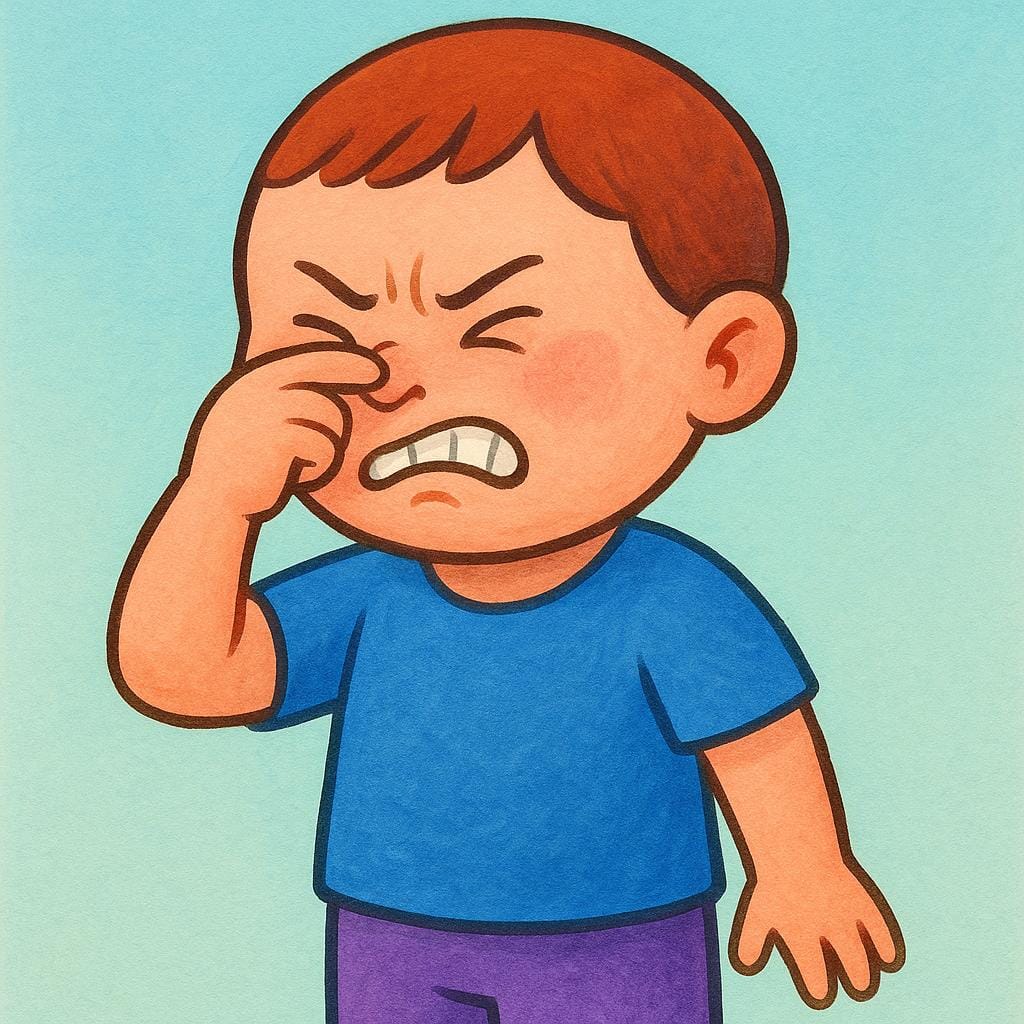
horror
OH-rrohrˈo.rɔr
Examples
Me da horror la suciedad y el desorden.
Dirt and disorder give me the creeps/fill me with disgust.
Tu apartamento es un horror después de la fiesta.
Your apartment is a disaster/a terrible mess after the party.
El vestido de la novia era un horror, pero ella estaba feliz.
The bride's dress was hideous/an absolute horror, but she was happy.
Using 'Dar'
When expressing that something causes you disgust or revulsion, use the structure Me da horror... (It gives me horror...), similar to how you use Me gusta.
Confusing Repulsion with Fear
Mistake: “Using 'Tengo horror' to mean 'I am disgusted.'”
Correction: For disgust, use *Me da horror* or *Siento asco*. *Tengo horror* usually means 'I have a profound dread/fear.'
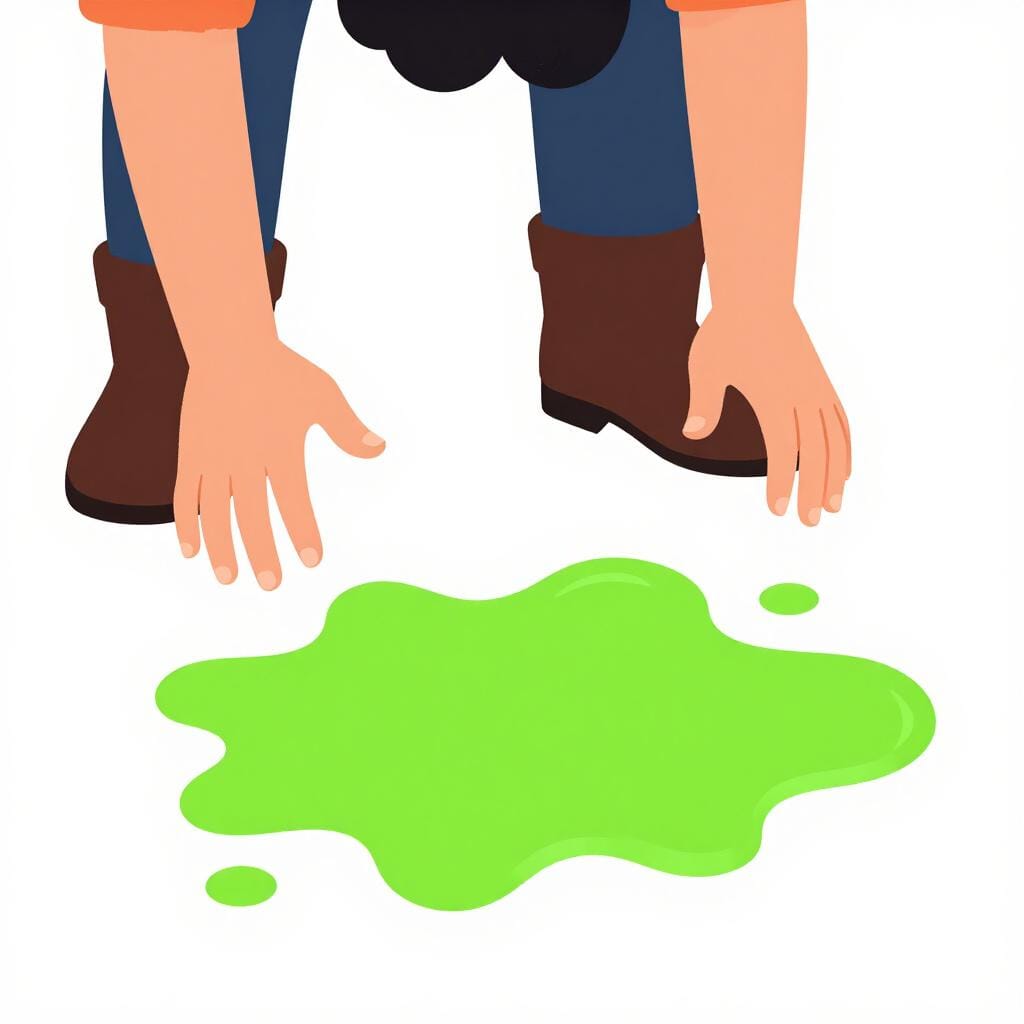
escrúpulo
es-KROO-poo-loesˈkɾupulo
Examples
Me da escrúpulo usar los cubiertos de este restaurante tan sucio.
It makes me squeamish to use the silverware in this dirty restaurant.
No sientas escrúpulo, la comida está perfectamente limpia.
Don't feel disgusted; the food is perfectly clean.
Siente escrúpulo ante la sangre.
He feels squeamish at the sight of blood.
The 'Dar' Pattern
Just like 'me gusta' or 'me da asco,' we say 'me da escrúpulo' to say something makes us feel squeamish.
Escrúpulo vs Asco
Mistake: “Me da escrúpulo esa película de miedo.”
Correction: Me da asco/miedo. Use 'escrúpulo' specifically for hygiene, blood, or things that make you feel physically picky or hesitant to touch them.
Confusing 'asco' and 'escrúpulo'
Related Translations
Learn Spanish with Inklingo
Interactive stories, personalized learning, and more.