How to Say "dish" in Spanish
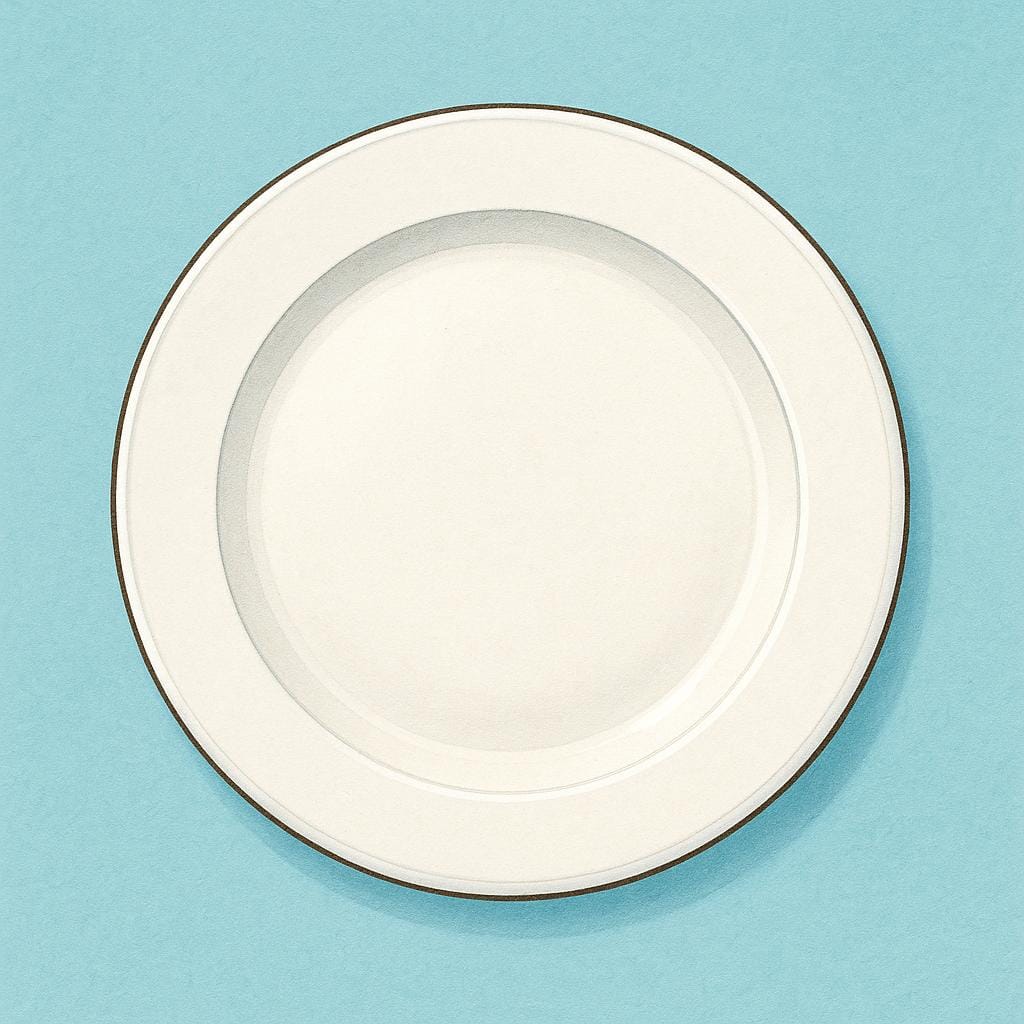
The most common Spanish word for “dish” is “plato” — use 'plato' when referring to the physical container that holds food, or a specific food preparation or course, especially on a menu.
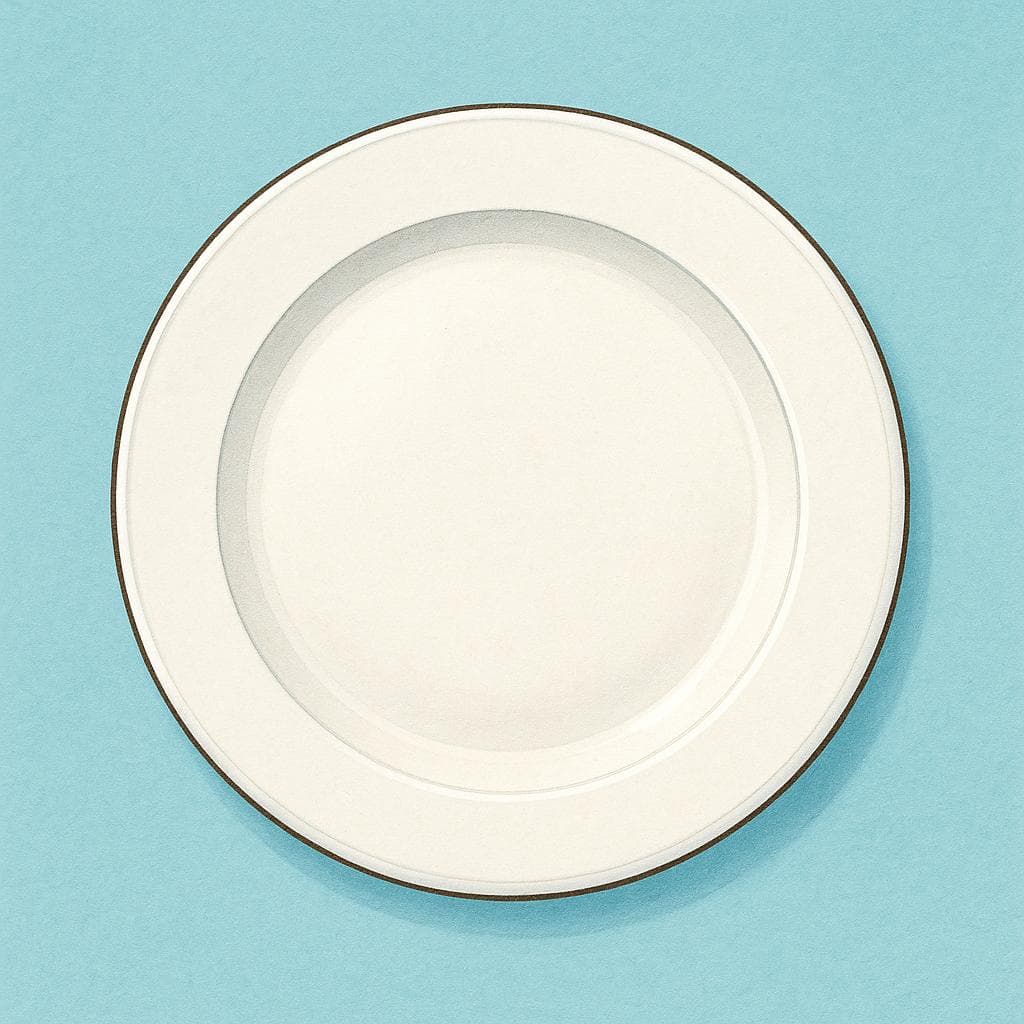
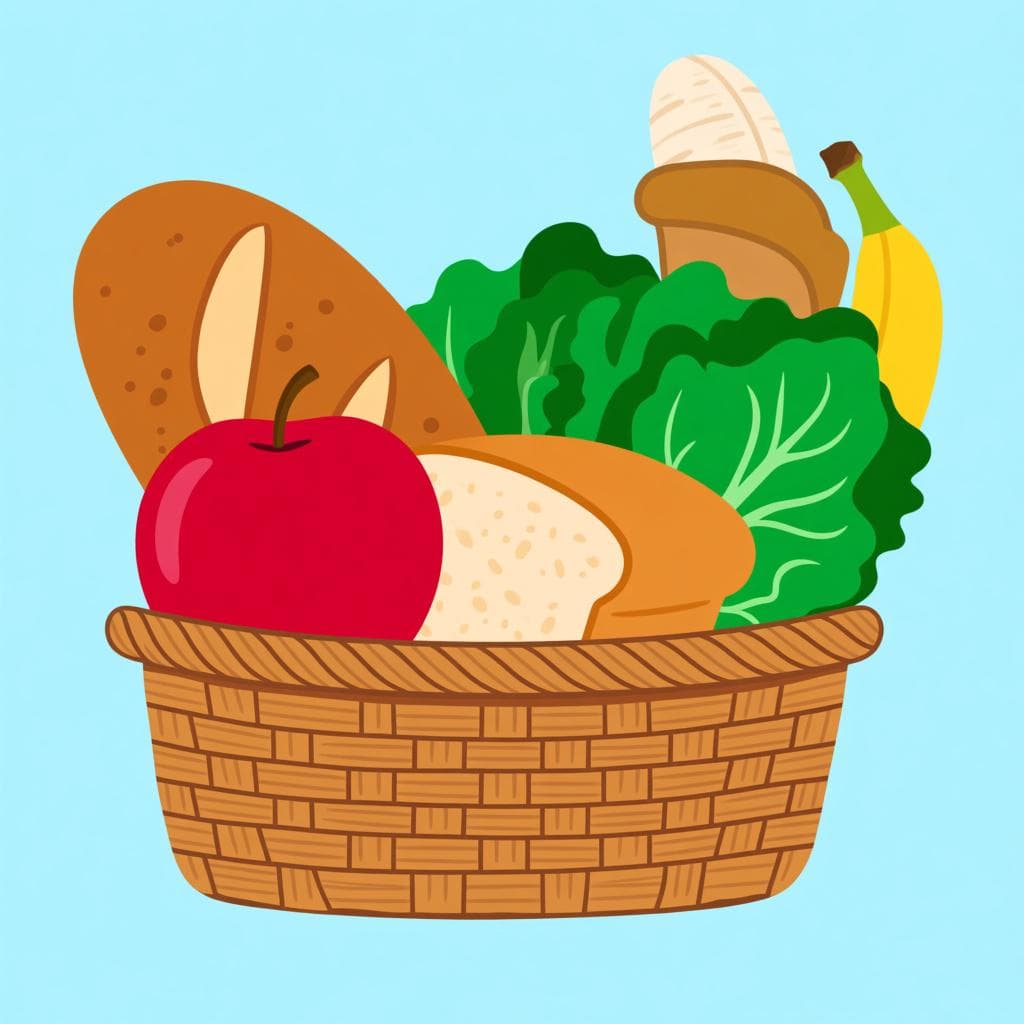
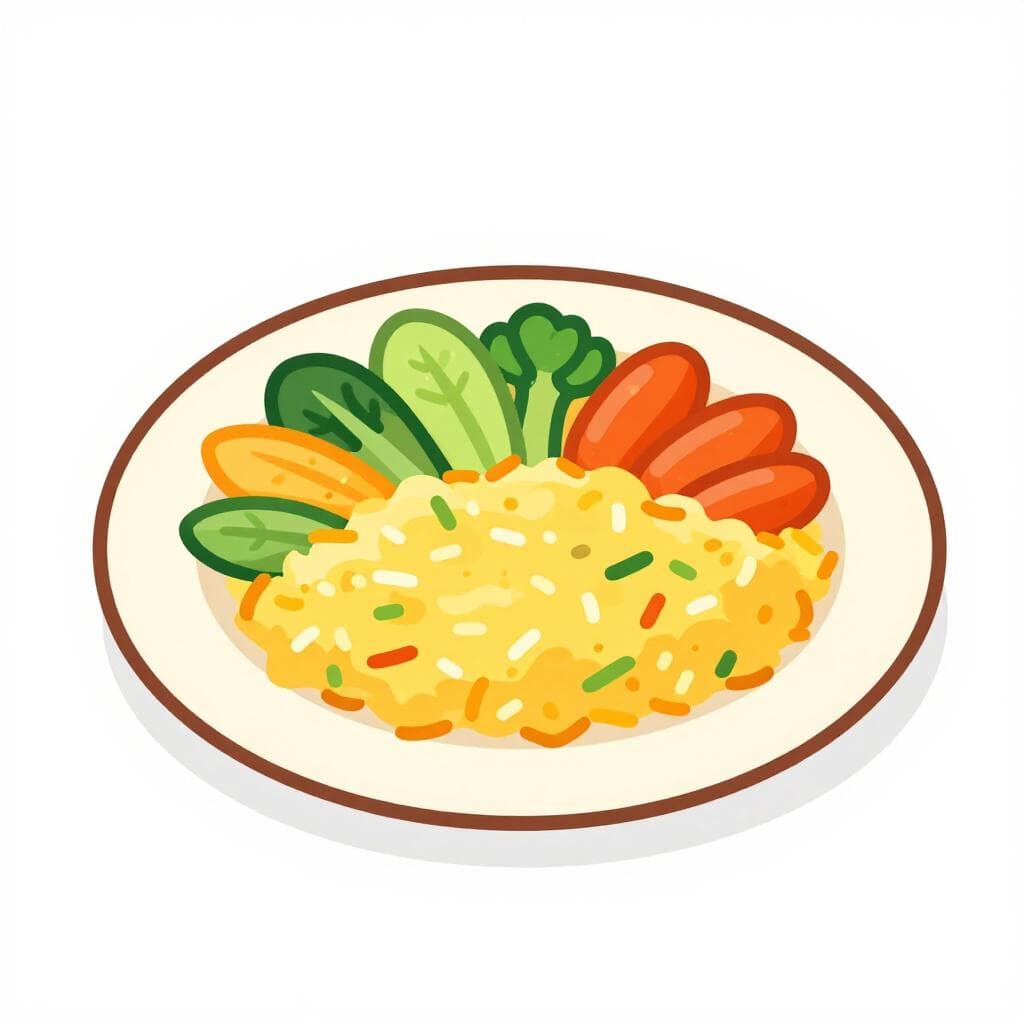
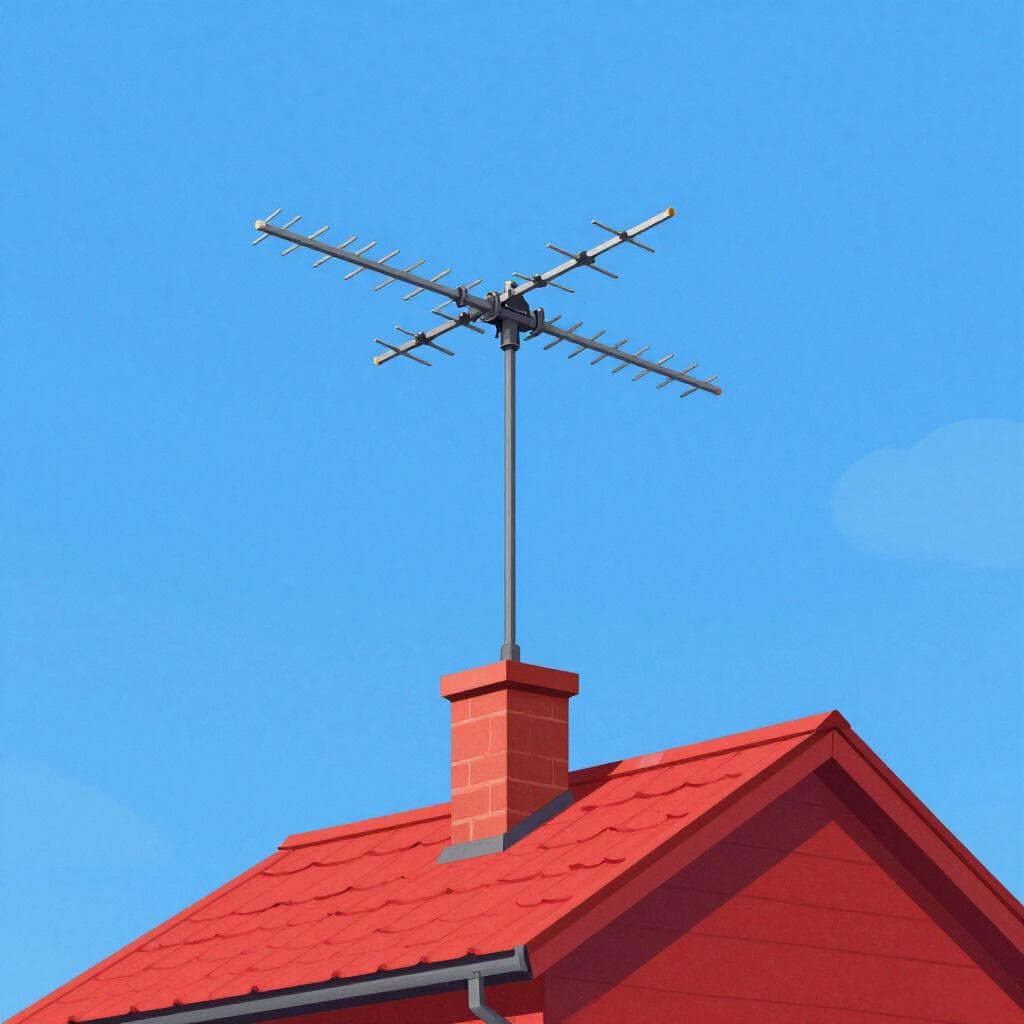
plato
PLAH-tohˈplato
Examples
¿Cuál es el plato del día en este restaurante?
What is the dish of the day in this restaurant?
Por favor, pon los platos limpios en la mesa.
Please, put the clean plates on the table.
Se me cayó un plato de cerámica y se rompió.
A ceramic plate fell on me and broke.
Mi plato favorito es la lasaña.
My favorite dish is lasagna.
Masculine Noun
Remember that 'plato' is a masculine word, so you must use 'el' or 'un' before it: 'el plato' (the plate).
Plato vs. Comida
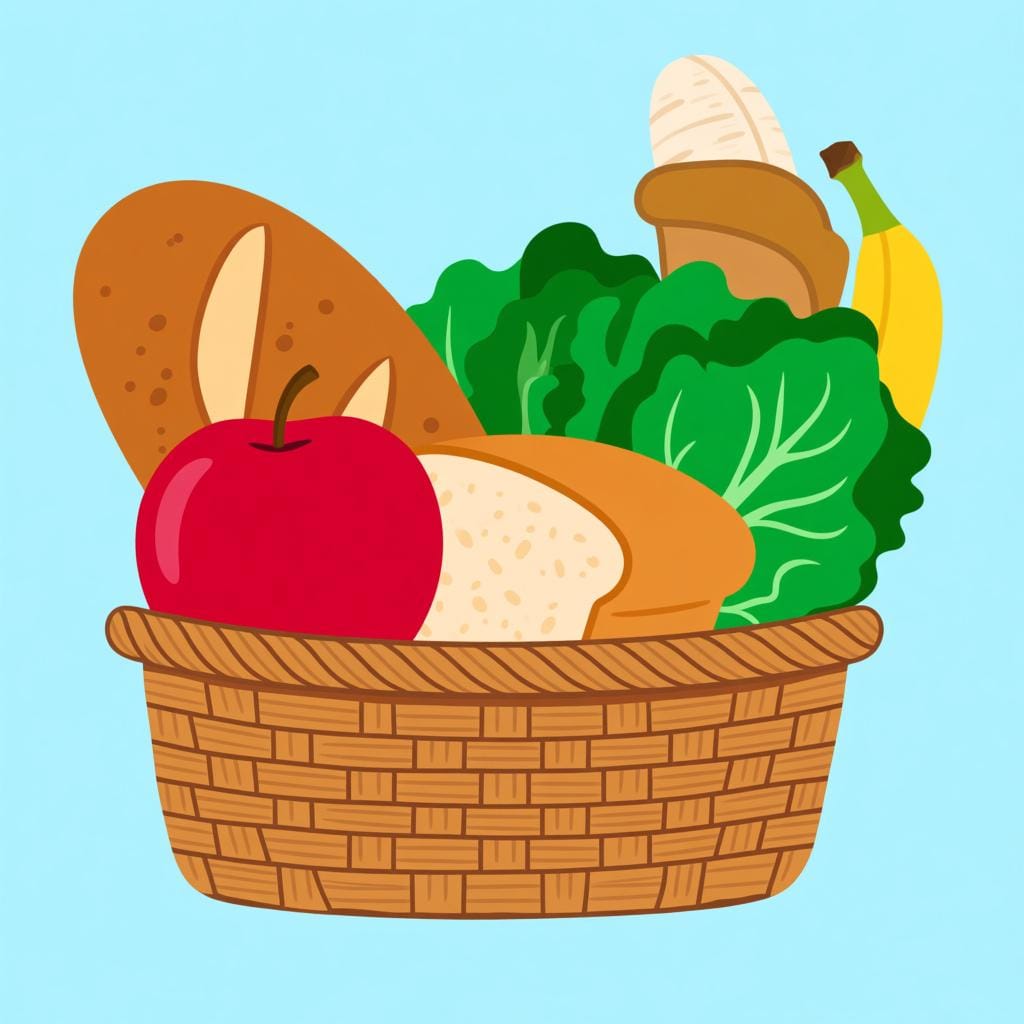
'Comida' is the general word for 'food' or 'meal.' 'Plato' refers to a specific, prepared item of food, like a recipe or a course in a restaurant.
Using 'plata' instead of 'plato'
Mistake: “Dame la plata.”
Correction: Dame el plato. ('Plata' means 'silver' or 'money' in Latin America, not the eating utensil.)
comida
koh-MEE-dahkoˈmiða
Examples
Necesito comprar comida para el fin de semana.
I need to buy food for the weekend.
Mi comida favorita es la pasta.
My favorite food is pasta.
Esta es una comida típica de mi país.
This is a typical dish from my country.
Always Feminine
No matter what kind of food you're talking about, 'comida' is a feminine word. Always use 'la' or 'una' with it, like 'la comida' (the food) or 'una comida deliciosa' (a delicious meal).
General Food vs. Specific Item
Mistake: “Pointing to an apple and asking, '¿Quieres una comida?'”
Correction: It's better to say, '¿Quieres una manzana?'. 'Comida' refers to food in general or a whole meal, not a single, specific item like one piece of fruit.
platillo
plah-tee-yohplaˈtiʝo

Examples
El mole es un platillo típico de México.
Mole is a traditional dish from Mexico.
Pon la taza de café sobre el platillo.
Put the coffee cup on the saucer.
Mi madre preparó mi platillo favorito para mi cumpleaños.
My mother prepared my favorite dish for my birthday.
The '-illo' ending
The ending '-illo' is a 'diminutive,' which usually means something is smaller. While 'plato' is a regular plate, 'platillo' literally means 'little plate,' but it is most often used to mean a specific recipe or a saucer.
Dish vs. Plate
In English, 'dish' can mean the physical object or the food. In Spanish, 'platillo' almost always refers to the prepared food (the recipe) or a specific small saucer.
Using 'plato' for recipes
Mistake: “Este es mi plato favorito.”
Correction: Este es mi platillo favorito.
antena
ahn-TEH-nahanˈtena
Examples
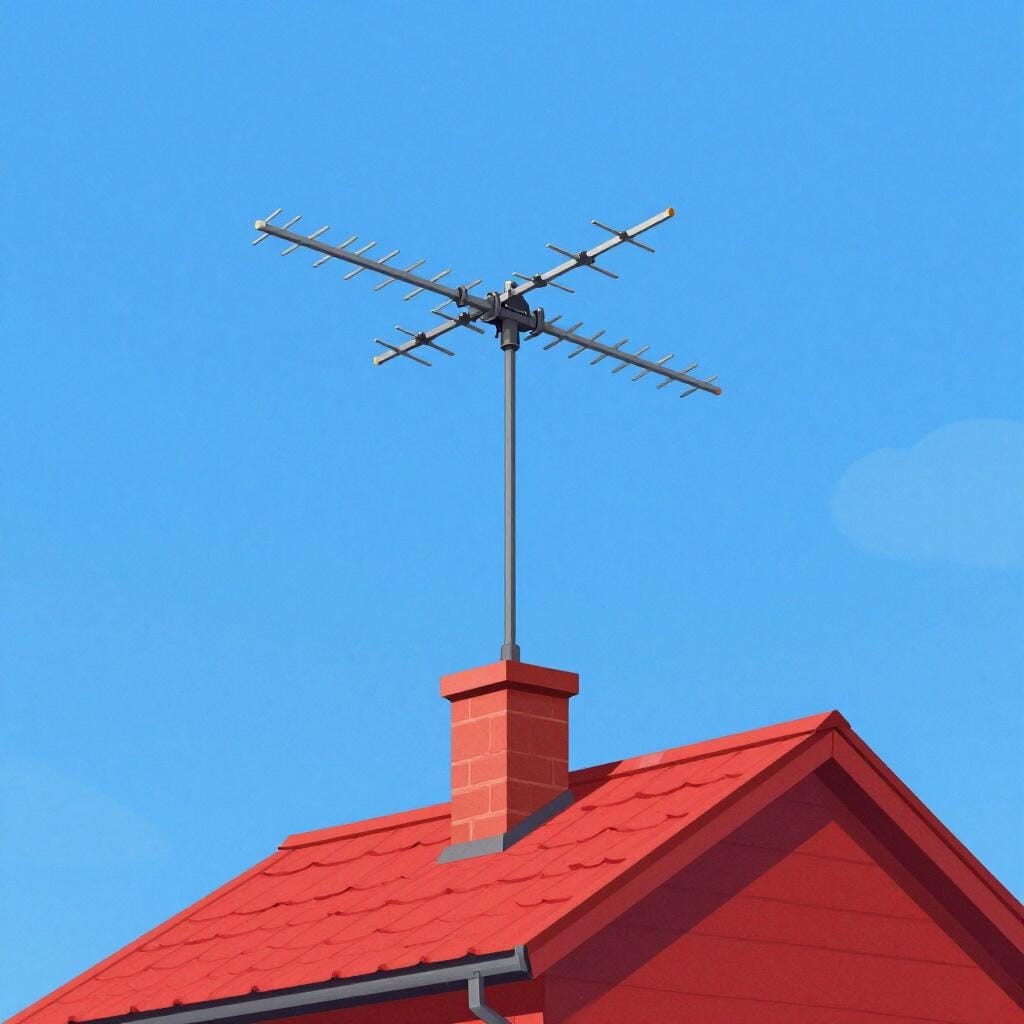
La antena de la televisión no recibe buena señal.
The TV antenna isn't getting a good signal.
Necesitamos una antena parabólica para ver esos canales.
We need a satellite dish to watch those channels.
Hay muchas antenas de telefonía en el tejado.
There are many cell phone towers/antennas on the roof.
Gender Memory Aid
Since it ends in -a, it is almost always feminine: 'la antena'. Just remember 'la' follows the 'a' ending.
Making it Plural
To talk about more than one, simply add an -s: 'las antenas'.
Avoid using 'el'
Mistake: “El antena está rota.”
Correction: La antena está rota. Even though it sounds a bit like other tech words, it remains feminine.
Plato vs. Platillo vs. Comida
Learn Spanish with Inklingo
Interactive stories, personalized learning, and more.