How to Say "drinks" in Spanish
The most common Spanish word for “drinks” is “bebe” — use 'bebe' when referring to the third-person singular present tense of the verb 'beber,' meaning 'he/she/it drinks' or 'you (formal) drink.'.

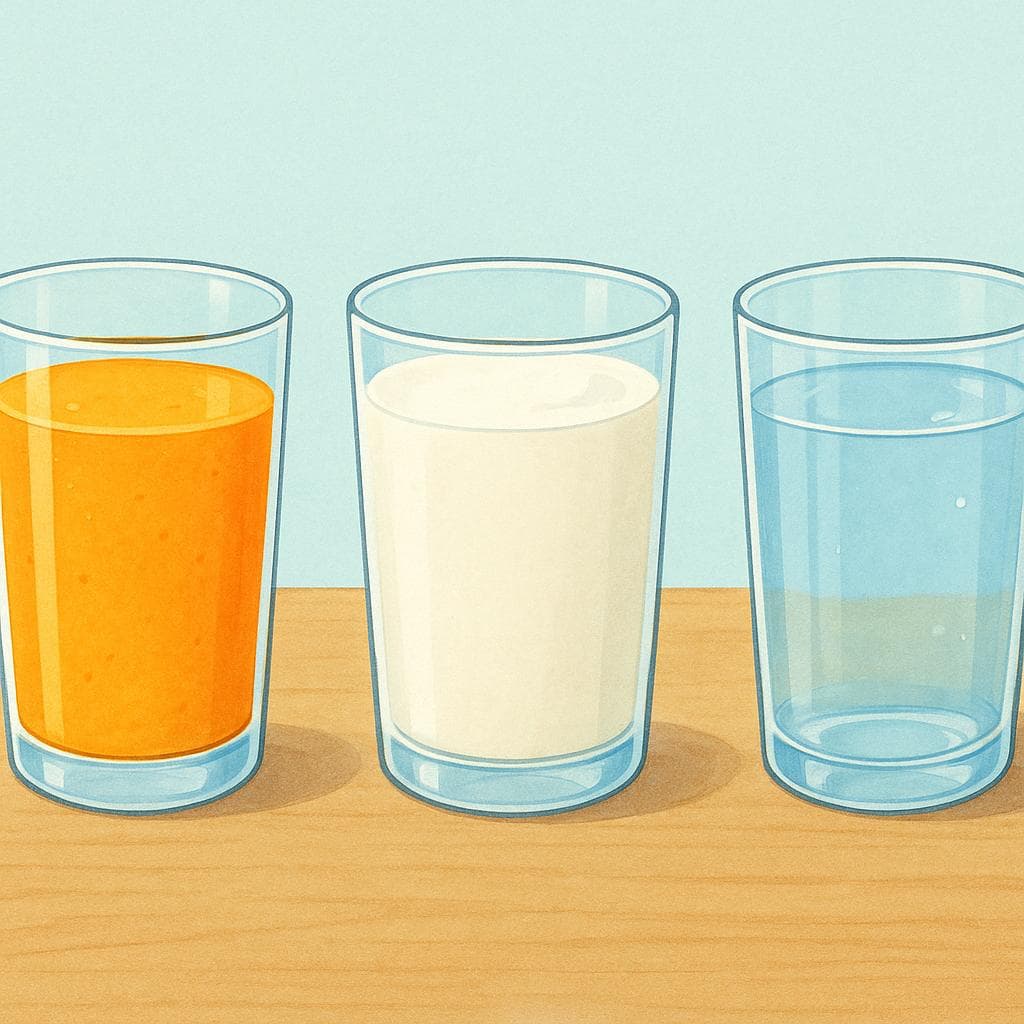


bebe
BEH-beh'be.βe

Examples
Mi perro bebe mucha agua después de correr.
My dog drinks a lot of water after running.
Usted bebe un café muy fuerte, ¿verdad?
You (formal) drink a very strong coffee, right?
¡Bebe el zumo antes de que se caliente!
Drink the juice before it gets warm!
Dual Role
The form 'bebe' is used for the third-person singular (he/she/it) and the formal second-person (usted) in the present tense, as well as the informal command (tú).
Confusing commands
Mistake: “Using 'bebes' for the 'tú' command.”
Correction: The correct informal command is 'bebe' (without the 's'). '¡Bebe más leche!'
bebidas
beh-BEE-dahsbeˈβi.ðas
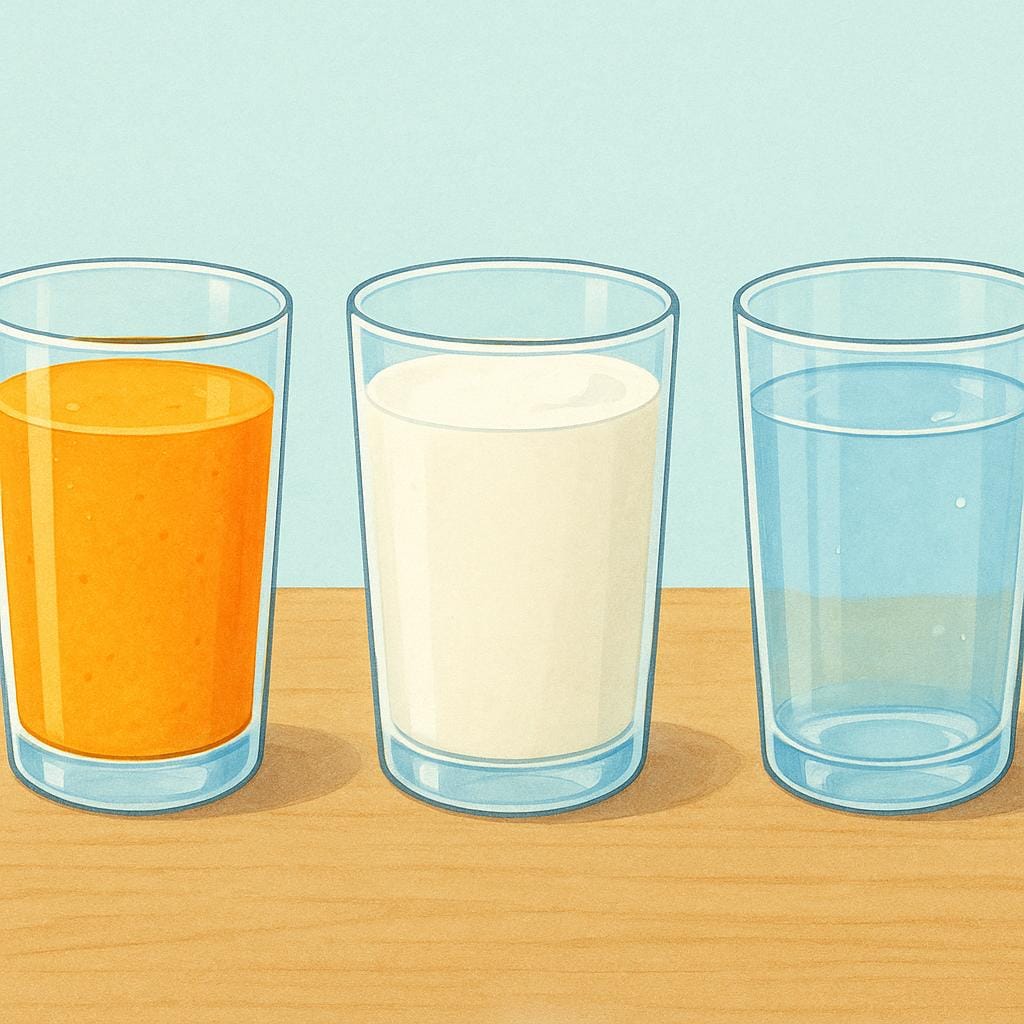
Examples
¿Qué bebidas tienen para los niños?
What drinks do you have for the children?
Las bebidas azucaradas no son muy saludables.
Sugary beverages are not very healthy.
El costo incluye todas las comidas y bebidas.
The cost includes all meals and drinks.
Feminine Plural
Since 'bebidas' ends in '-as', it is always feminine and plural. You must use feminine plural words (like 'las' or 'muchas') before it.
Confusing Gender
Mistake: “El bebidas están listas.”
Correction: Las bebidas están listas.
copas
KOH-pahsˈko.pas

Examples
¿Vamos a tomar unas copas después del trabajo?
Shall we go for some drinks after work?
Siempre salimos de copas los viernes.
We always go out for drinks on Fridays.
Always Plural for Socializing
When talking about the social activity, 'copas' is almost always used in the plural, even if you only plan to have one drink.
Confusing 'copa' and 'vaso'
Mistake: “Using 'vasos' (tumblers/regular cups) when referring to elegant stemware or wine.”
Correction: Use 'copas' specifically for wine glasses, champagne flutes, or cocktail glasses with stems.
tragos
TRAH-gosˈtɾa.ɣos

Examples
Vamos a tomar unos tragos después del trabajo para celebrar.
Let's go have some drinks after work to celebrate.
¿Quién invita los tragos esta noche?
Who's buying the drinks tonight?
Solo tomamos dos tragos, nada más.
We only had two drinks, nothing more.
Masculine Plural
Since the singular form is 'el trago,' the plural 'tragos' is also masculine. Remember to use masculine articles and adjectives with it (e.g., 'los tragos fríos').
Confusing 'Trago' and 'Bebida'
Mistake: “Using 'trago' for any liquid, like water or juice.”
Correction: 'Trago' usually implies alcohol. Use 'bebida' or 'refresco' for non-alcoholic drinks.
Drinks vs. Beverages vs. Social Outing
Learn Spanish with Inklingo
Interactive stories, personalized learning, and more.