How to Say "expecting" in Spanish
The most common Spanish word for “expecting” is “esperando” — use 'esperando' when you are waiting for an event, an object, or a person to arrive or happen.

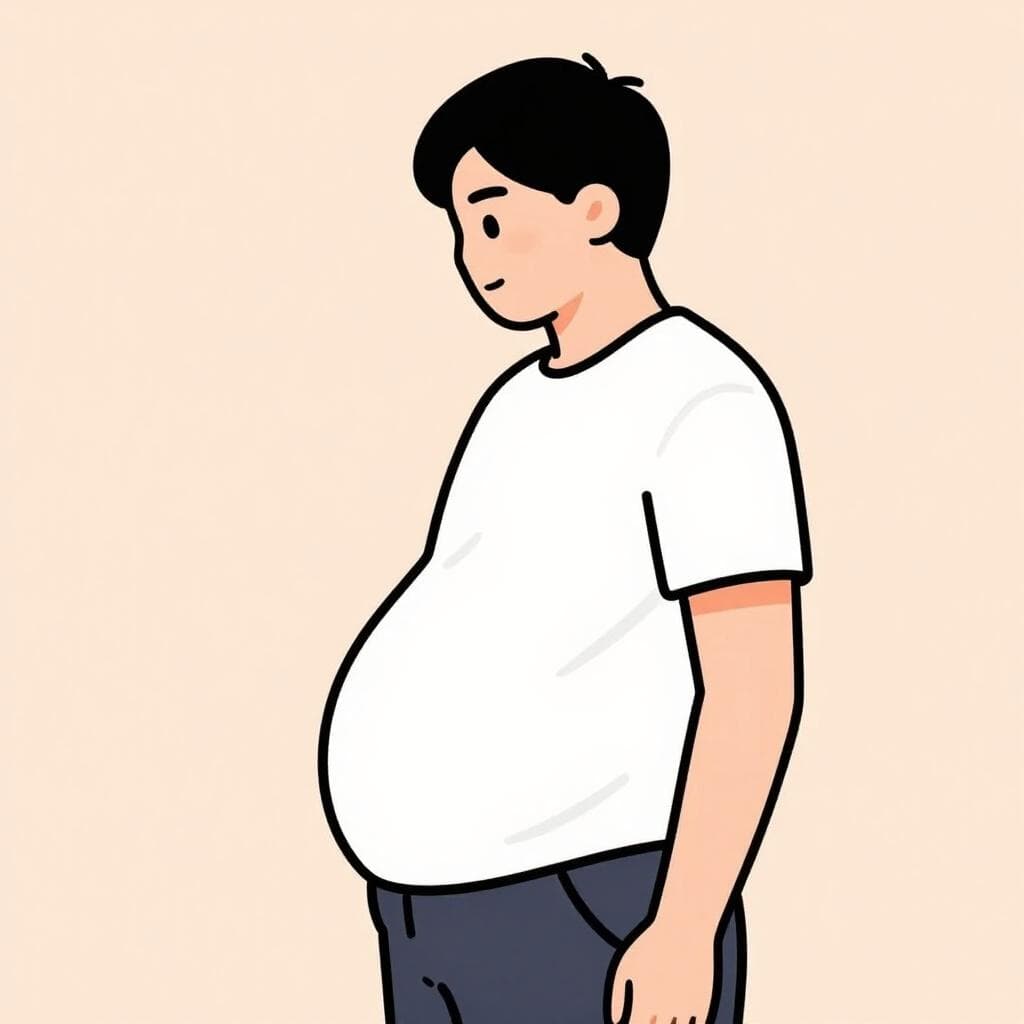
esperando
es-peh-RAHN-dohes.peˈɾan.do

Examples
Estoy esperando noticias sobre el trabajo.
I am expecting news about the job.
Estoy esperando el autobús.
I'm waiting for the bus.
Mi hermana está esperando un bebé.
My sister is expecting a baby.
Sigo esperando que me llames.
I'm still hoping that you'll call me.
The Spanish '-ing' Form
'Esperando' is the '-ing' version of the verb 'esperar'. You almost always use it with a helper verb like 'estar' (to be) to talk about an action happening right now. Think of 'estar' + '-ando' as the Spanish recipe for 'is/am/are' + '-ing'.
Three Meanings in One
Unlike English, Spanish uses 'esperando' for 'waiting', 'hoping', and 'expecting'. The meaning is usually very clear from the rest of the sentence.
'Waiting for' is built-in
Mistake: “Estoy esperando por el tren.”
Correction: Estoy esperando el tren. The verb 'esperar' already includes the idea of 'for', so you don't need to add an extra word like 'por' or 'para'.
embarazado
em-bah-rah-SAH-dohembaɾaˈsaðo
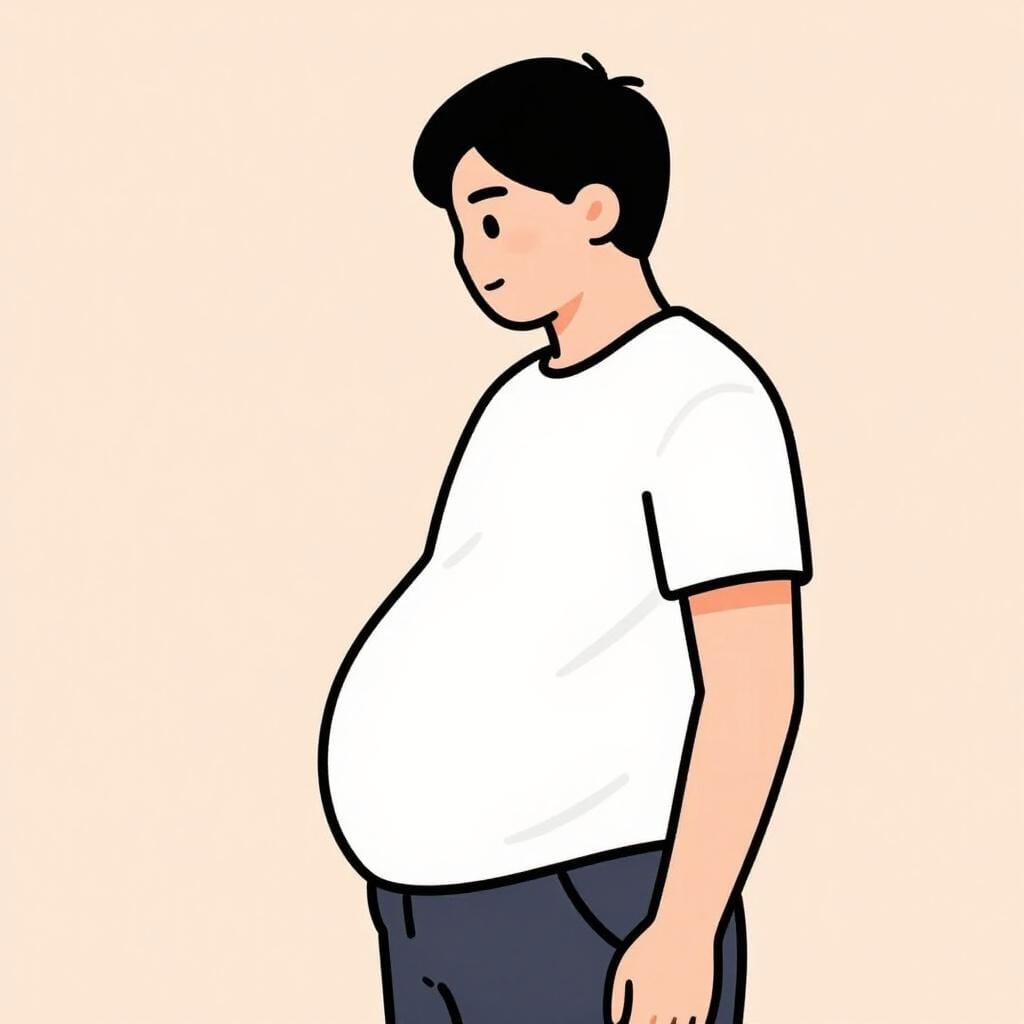
Examples
Mi hermana está embarazada de cinco meses.
My sister is expecting a baby and is five months along.
El hombre trans confirmó que está embarazado.
The trans man confirmed that he is pregnant.
Juan dice que se siente embarazado porque su esposa tiene muchos antojos.
Juan says he feels pregnant because his wife has so many cravings.
¿Estás embarazado o solo comiste mucho?
Are you pregnant or did you just eat a lot?
Using 'Estar' for States
Always use the verb 'estar' (to be) with this word because pregnancy is considered a temporary state or condition, not a permanent characteristic.
Gender Agreement
This is the masculine version. If you are talking about a woman, you must change the ending to 'a' to make it 'embarazada'.
The 'Embarrassed' Trap
Mistake: “Saying 'Estoy embarazado' to mean 'I am embarrassed'.”
Correction: Say 'Estoy avergonzado' instead. 'Embarazado' means you are having a baby!
Expecting a Baby vs. Expecting Something Else
Learn Spanish with Inklingo
Interactive stories, personalized learning, and more.