How to Say "french" in Spanish
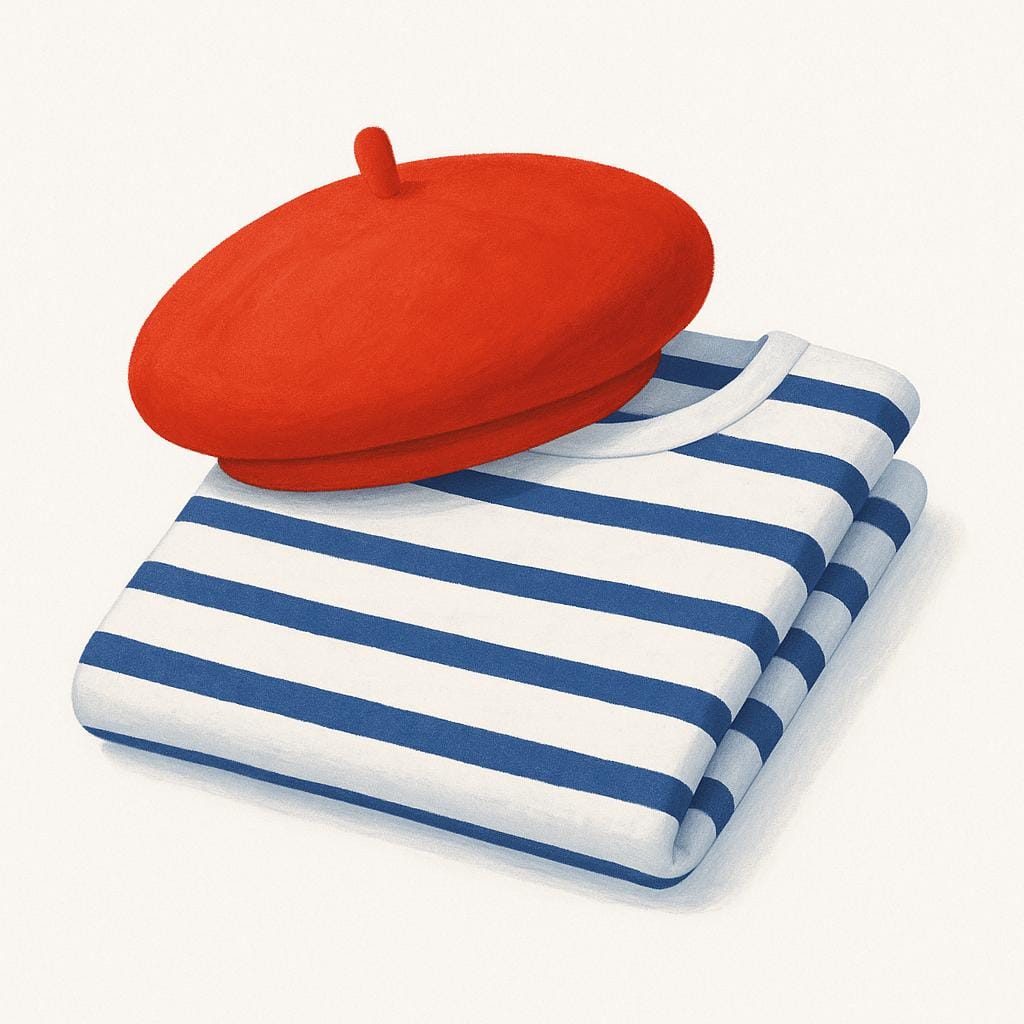
The most common Spanish word for “french” is “francés” — use this form when referring to something or someone from France as an adjective (e.g., cheese, perfume) or when referring to the French language itself.
Use this form when referring to something or someone from France as an adjective (e.g., cheese, perfume) or when referring to the French language itself.
Learn more →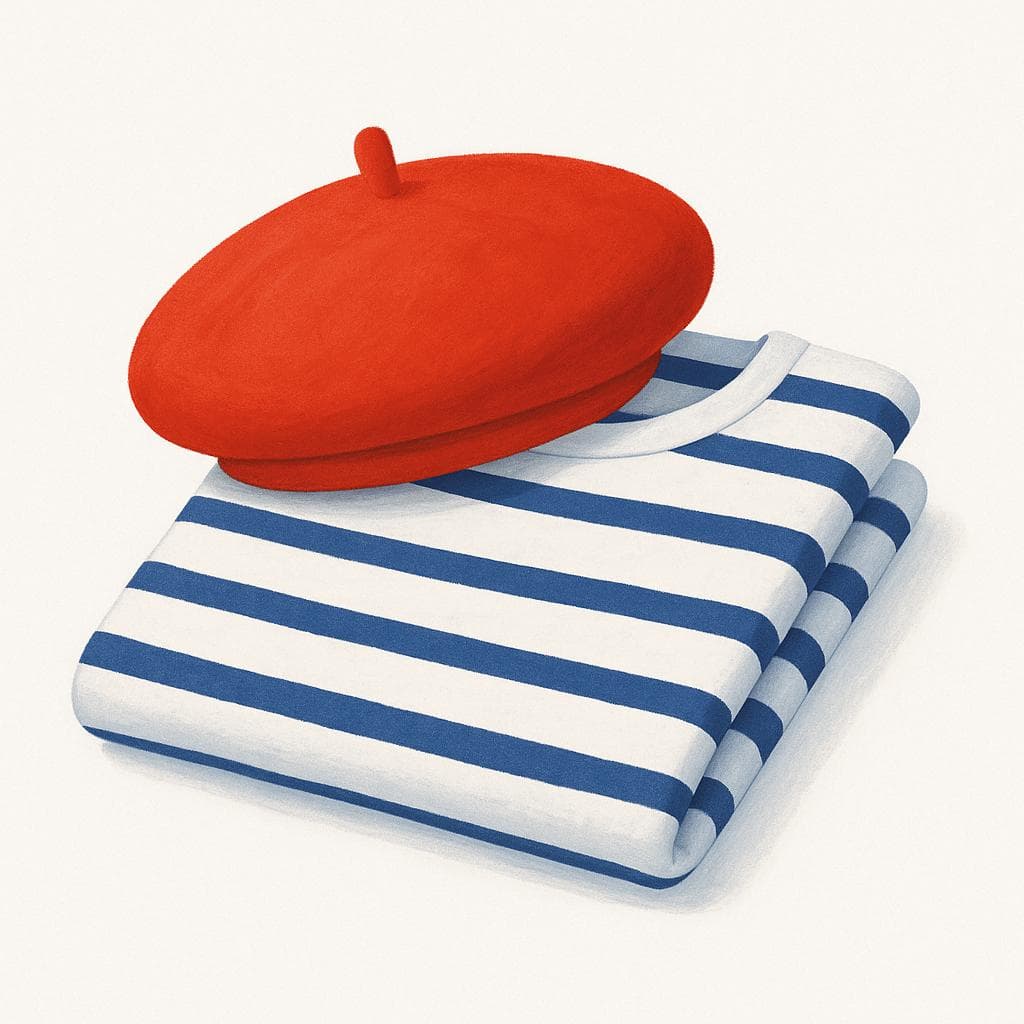
Use this form to describe a feminine singular noun that is French, such as 'la comida francesa' (French food) or 'la cultura francesa' (French culture).
Learn more →
Use this form to describe masculine plural nouns that are French, like 'los libros franceses' (French books) or 'los artistas franceses' (French artists).
Learn more →francés
Examples
Me encanta el queso francés.
I love French cheese.
frahn-SEH-sahfɾanˈsesa
Examples
La Torre Eiffel es una estructura francesa muy famosa.
The Eiffel Tower is a very famous French structure.
Me encanta la sopa de cebolla francesa.
I love French onion soup.
Mi amiga habla la lengua francesa con fluidez.
My friend speaks the French language fluently.
Gender Agreement
This word is the feminine form. You must use 'francesa' when describing a noun that is feminine (like 'casa' or 'cultura') and 'francés' when describing a masculine noun (like 'vino' or 'idioma').
Mixing Genders
Mistake: “El queso francesa es delicioso.”
Correction: El queso francés es delicioso. ('Queso' is masculine, so the adjective must be 'francés'.)
frahn-SEH-sesfɾanˈseses

Examples
Me encantan los vinos franceses.
I love French wines.
Los coches franceses son muy eficientes.
French cars are very efficient.
Matching the Noun
Remember that adjectives in Spanish must match the noun they describe. Since 'vinos' (wines) is masculine and plural, you must use the masculine plural form, 'franceses'.
Mixing Genders
Mistake: “Comimos galletas francesas y quesos francés.”
Correction: Comimos galletas francesas y quesos franceses. (Both the noun and the adjective must be plural.)
Gender and Number Agreement
The most common mistake is forgetting that Spanish adjectives must agree in gender and number with the noun they describe. Always check if the noun is masculine/feminine and singular/plural before choosing between 'francés', 'francesa', or 'franceses'.
Related Translations
Learn Spanish with Inklingo
Interactive stories, personalized learning, and more.