How to Say "grandma" in Spanish
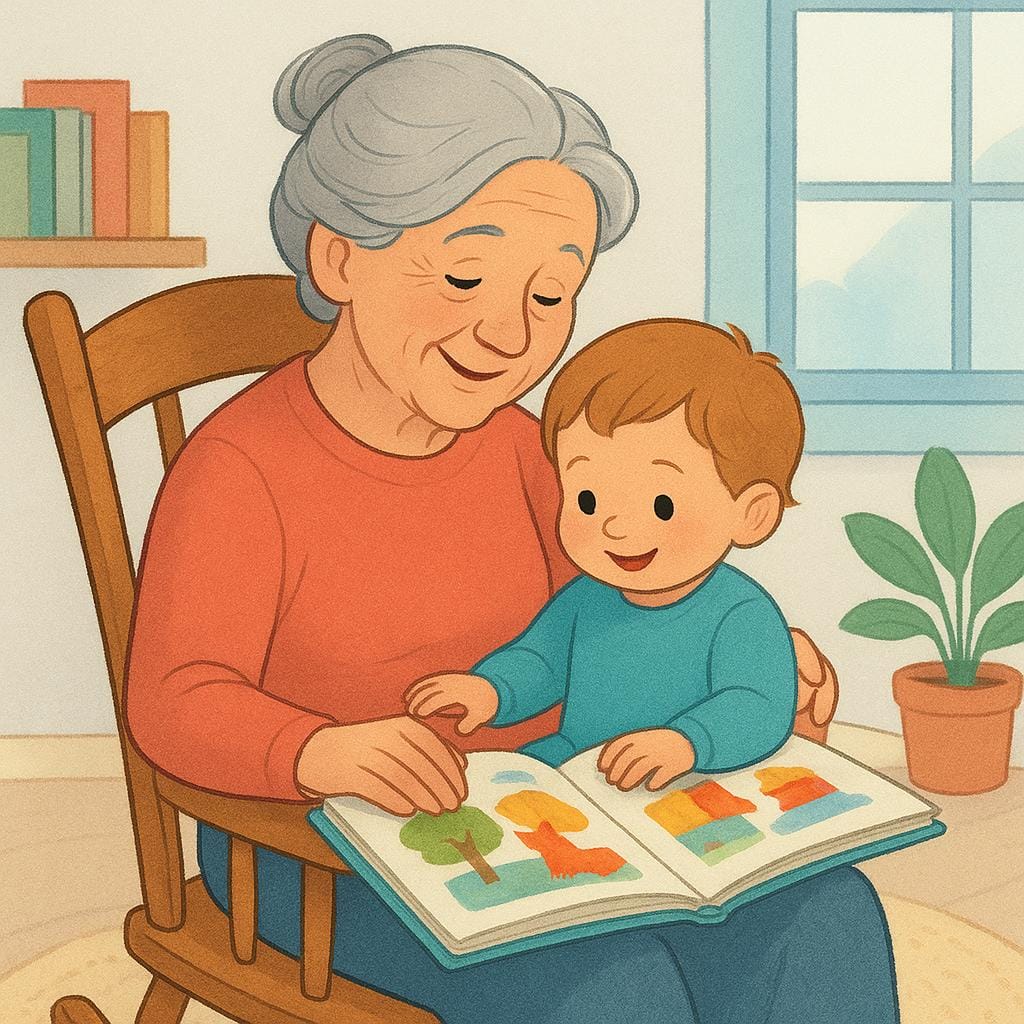
The most common Spanish word for “grandma” is “abuela” — use 'abuela' as the general, everyday term for 'grandmother' in most contexts, similar to how you'd use 'grandmother' or 'grandma' in English.
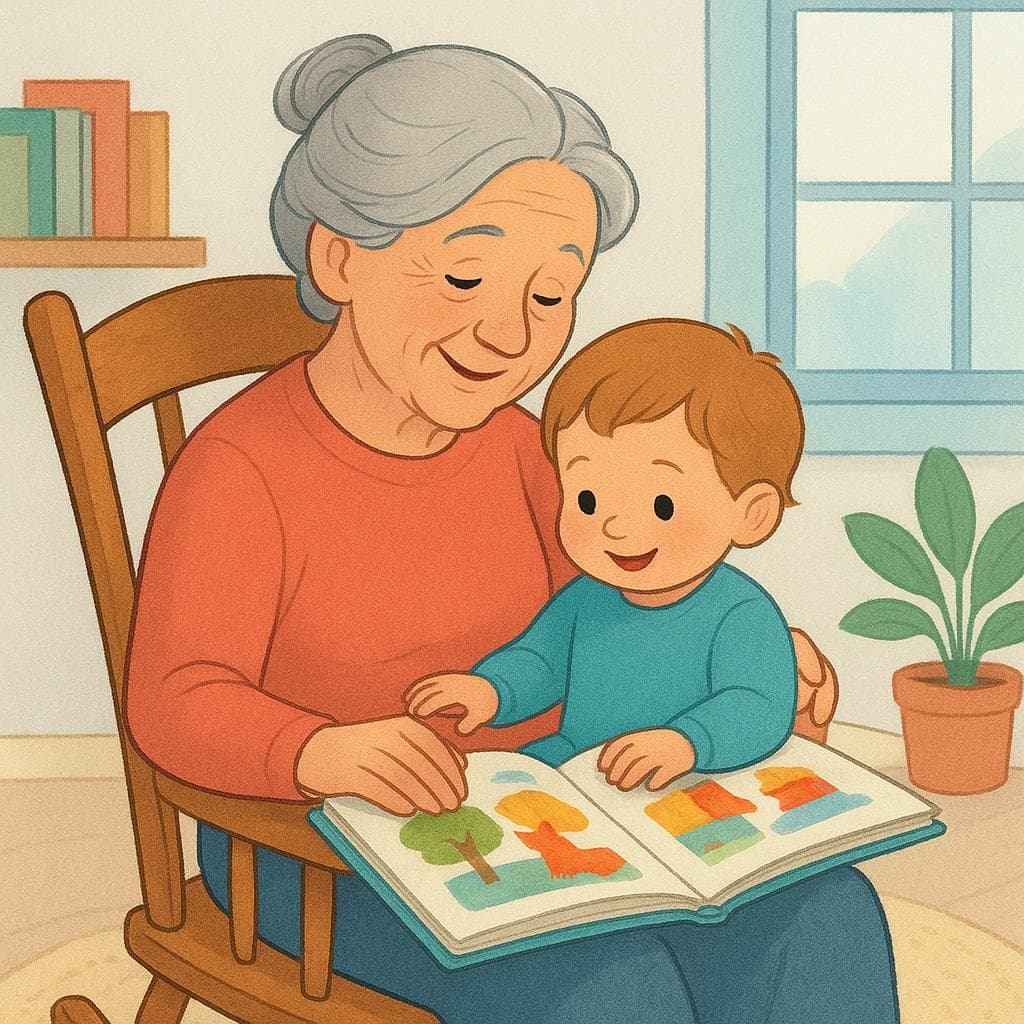
Use 'abuela' as the general, everyday term for 'grandmother' in most contexts, similar to how you'd use 'grandmother' or 'grandma' in English.
Learn more →
Use 'abuelita' when you want to express affection and warmth towards your grandmother, like calling her 'granny' or 'grandma' in a loving way.
Learn more →
Use 'nana' specifically when referring to a nanny or a caregiver for children, which is a different meaning than 'grandmother' in most regions.
Learn more →ah-BWEH-lahaˈβwela
Examples
Mi abuela vive en México.
My grandmother lives in Mexico.
¿Vamos a visitar a la abuela este fin de semana?
Are we going to visit grandma this weekend?
La abuela de mi amigo es de Argentina y cocina muy bien.
My friend's grandmother is from Argentina and cooks very well.
A Feminine Word
Because 'abuela' ends in '-a', it's a 'feminine' word. This just means you'll use 'la' or 'una' before it. For example, 'la abuela' means 'the grandmother'.
The Personal 'a'
When your grandmother is the one receiving an action (like you are visiting her), you need to add the small word 'a' right before her. For example: 'Visito a mi abuela.' (I visit my grandmother).
Masculine vs. Feminine
Mistake: “Mi abuelo es mi mamá's mamá.”
Correction: Mi abuela es la mamá de mi mamá. 'Abuela' is for grandmother, and 'abuelo' is for grandfather.
ah-bweh-LEE-tahaβweˈlita

Examples
Mi abuelita hace los mejores tamales del mundo.
My grandma makes the best tamales in the world.
¡Feliz cumpleaños, abuelita!
Happy birthday, Grandma!
Fui a visitar a mi abuelita el domingo.
I went to visit my granny on Sunday.
The Power of '-ita'
The ending '-ita' is a way to show affection. It doesn't just mean a 'small' grandmother; it shows you have a sweet, close relationship with her.
Not just for family
Mistake: “Thinking you can only use it for your own relative.”
Correction: You can use it as a very polite and sweet way to address any elderly woman, even if you aren't related.
nah-nahˈnana
Examples
La nana cuida a los niños mientras los padres trabajan.
The nanny looks after the children while the parents work.
Quiero mucho a mi nana, ella me crió.
I love my nanny very much; she raised me.
Voy a visitar a mi nana este domingo.
I'm going to visit my grandma/nanny this Sunday.
A feminine profession
Even though language is changing, this word is almost always feminine ('la nana') because it historically refers to women in caregiving roles.
Don't use 'nano'
Mistake: “Calling a male babysitter a 'nano'.”
Correction: A male caregiver would be called a 'niñero' or 'cuidador'. 'Nano' is a different word entirely (often meaning small or a prefix like nano-technology).
Confusing 'nana' with 'grandmother'
The most common mistake for learners is using 'nana' to mean 'grandmother'. While 'nana' can be an affectionate term for a grandmother in some very specific regions or families, its primary and most widespread meaning in Spanish is 'nanny' or 'babysitter'. Stick to 'abuela' or 'abuelita' for your grandmother.
Related Translations
Learn Spanish with Inklingo
Interactive stories, personalized learning, and more.