How to Say "caregiver" in Spanish
The most common Spanish word for “caregiver” is “cuidador” — use 'cuidador' for someone who provides general assistance and support to individuals who need help, such as the sick, elderly, or children, in a non-medical, non-specialized capacity.
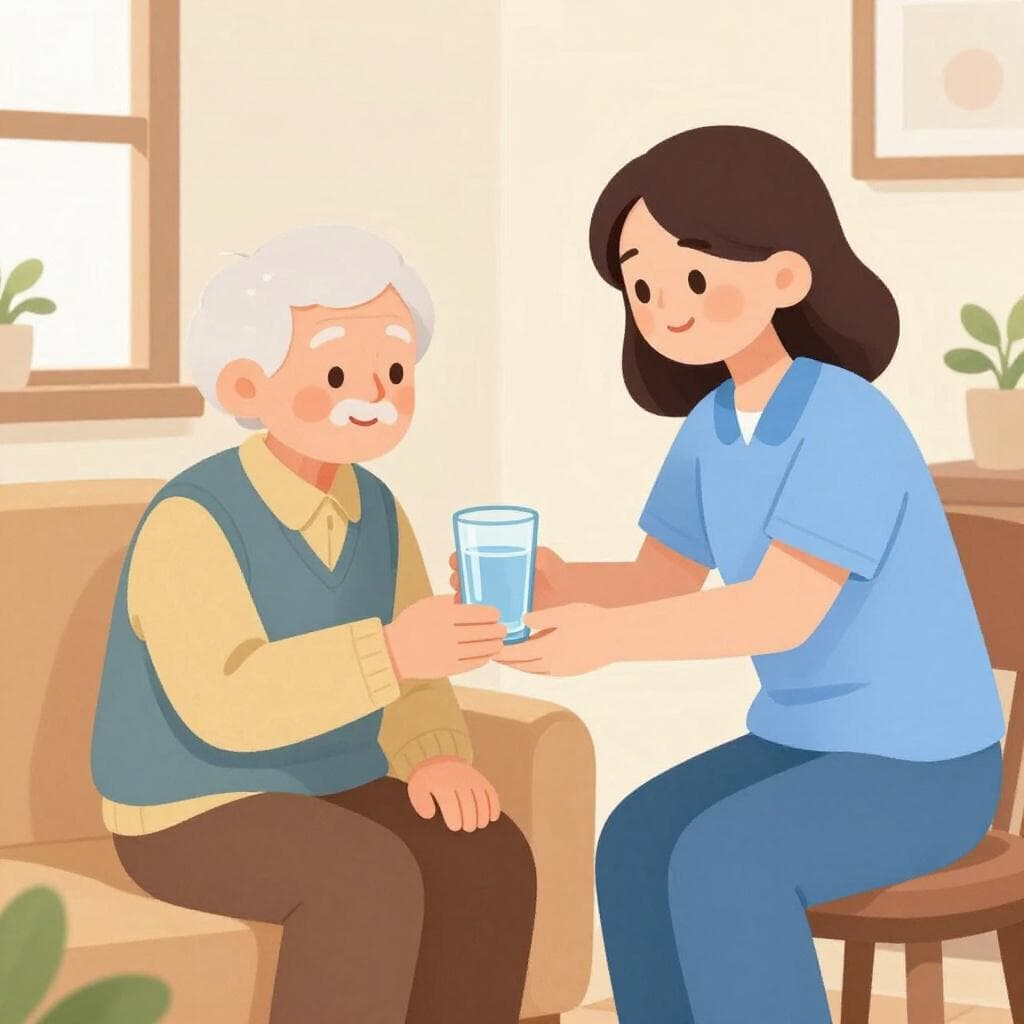
Use 'cuidador' for someone who provides general assistance and support to individuals who need help, such as the sick, elderly, or children, in a non-medical, non-specialized capacity.
Learn more →
Choose 'enfermera' when specifically referring to a trained medical professional who provides healthcare, administers treatment, and monitors patients in a hospital or clinical setting.
Learn more →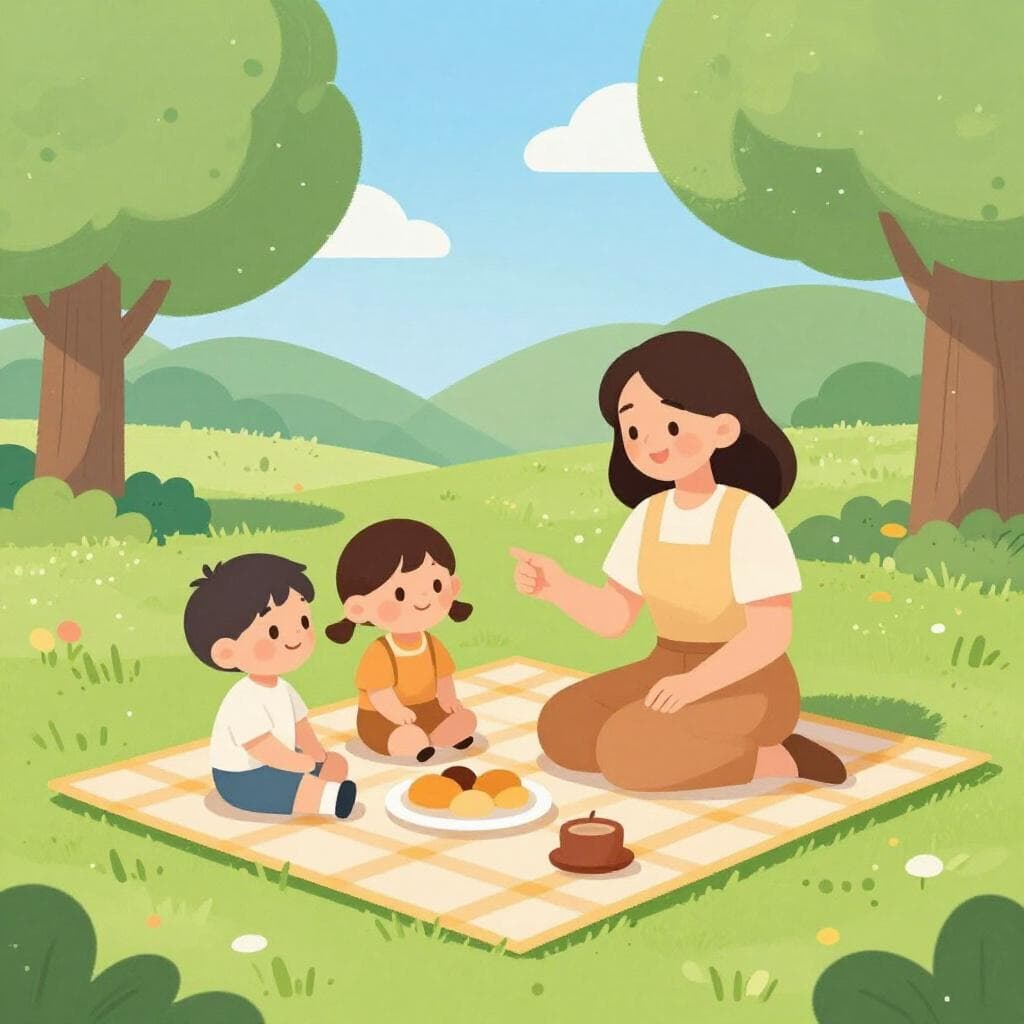
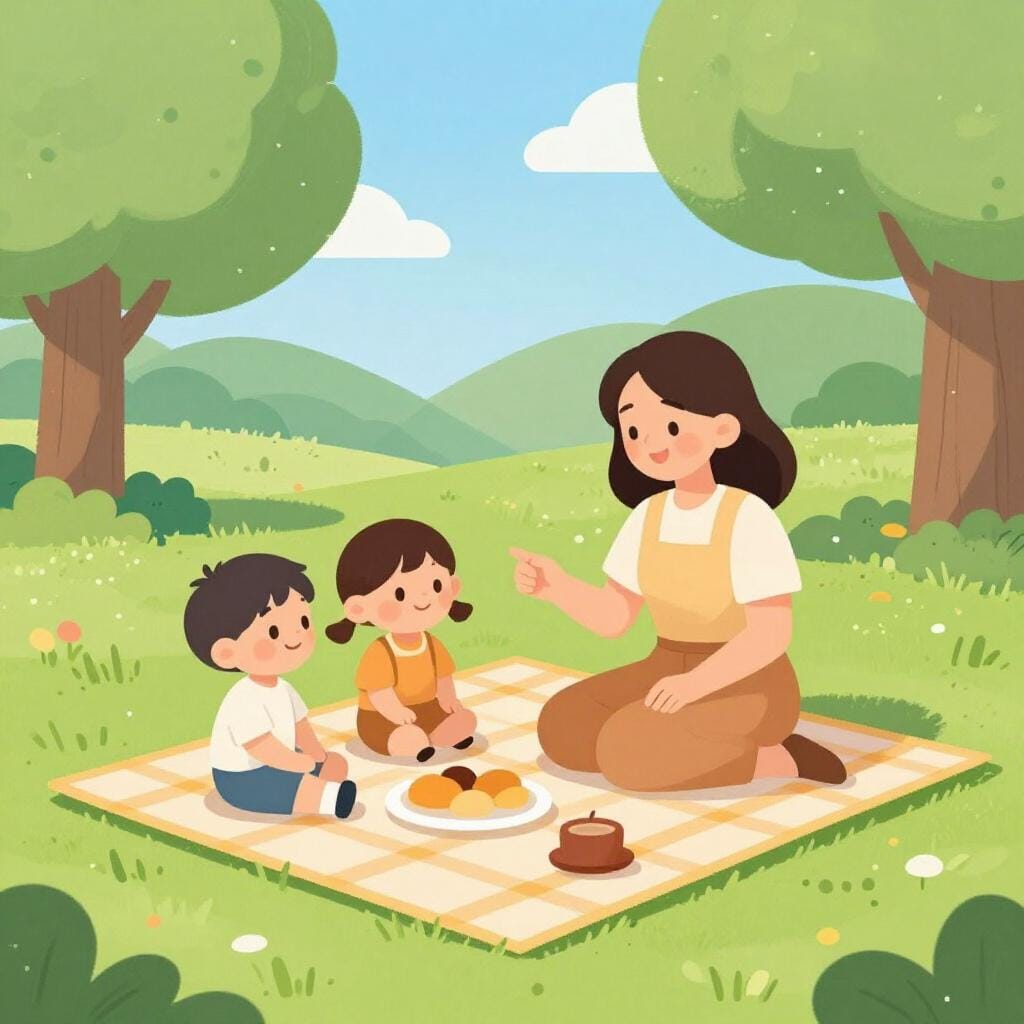
Use 'nana' for someone, typically a woman, hired to look after children in a domestic setting, often while their parents are working; it's an informal term for a nanny.
Learn more →kwee-dah-DORkwiðaˈðoɾ

Examples
Mi hermano trabaja como cuidador de personas mayores.
My brother works as a caregiver for elderly people.
El cuidador principal necesita descansar para no agotarse.
The primary caregiver needs to rest so as not to get burnt out.
Buscamos un cuidador con experiencia en enfermería.
We are looking for a caregiver with nursing experience.
The 'Personal A'
When 'cuidador' is the person receiving an action, you must put 'a' before it. For example: 'Llamé a mi cuidador' (I called my caregiver).
Changing the Gender
While this entry is for the masculine 'cuidador,' simply add an 'a' at the end to make it feminine ('cuidadora') when referring to a woman.
Caregiver vs. Parent
Mistake: “Using 'cuidador' to mean 'parent' in a general sense.”
Correction: Use 'padre' or 'madre' for parents. 'Cuidador' is usually for professional or specific care roles.
en-fer-ME-raen.feɾˈme.ɾa

Examples
La enfermera le tomó la temperatura y la presión arterial.
The nurse took his temperature and blood pressure.
Mi tía trabaja como enfermera pediátrica en el hospital local.
My aunt works as a pediatric nurse at the local hospital.
Necesitamos llamar a la enfermera para que cambie el vendaje.
We need to call the nurse so she can change the bandage.
Gender and Profession
Most professions in Spanish have a masculine (-o) and a feminine (-a) form. Since 'enfermera' ends in -a, it specifically refers to a female nurse.
Confusing Gender
Mistake: “Using 'el enfermera' when referring to a woman.”
Correction: Always use 'la' before 'enfermera' because it is a feminine noun: 'La enfermera está aquí'.
nah-nahˈnana
Examples
La nana cuida a los niños mientras los padres trabajan.
The nanny looks after the children while the parents work.
Quiero mucho a mi nana, ella me crió.
I love my nanny very much; she raised me.
Voy a visitar a mi nana este domingo.
I'm going to visit my grandma/nanny this Sunday.
A feminine profession
Even though language is changing, this word is almost always feminine ('la nana') because it historically refers to women in caregiving roles.
Don't use 'nano'
Mistake: “Calling a male babysitter a 'nano'.”
Correction: A male caregiver would be called a 'niñero' or 'cuidador'. 'Nano' is a different word entirely (often meaning small or a prefix like nano-technology).
Cuidador vs. Enfermera
The most common mistake is using 'cuidador' for a medical professional. Remember, 'enfermera' specifically denotes a trained nurse providing medical care, while 'cuidador' is a broader term for someone providing general support or assistance.
Related Translations
Learn Spanish with Inklingo
Interactive stories, personalized learning, and more.