How to Say "gravitation" in Spanish
The most common Spanish word for “gravitation” is “gravedad” — use 'gravedad' when referring to the fundamental force of nature that attracts objects with mass towards each other, often in a general scientific or everyday context.
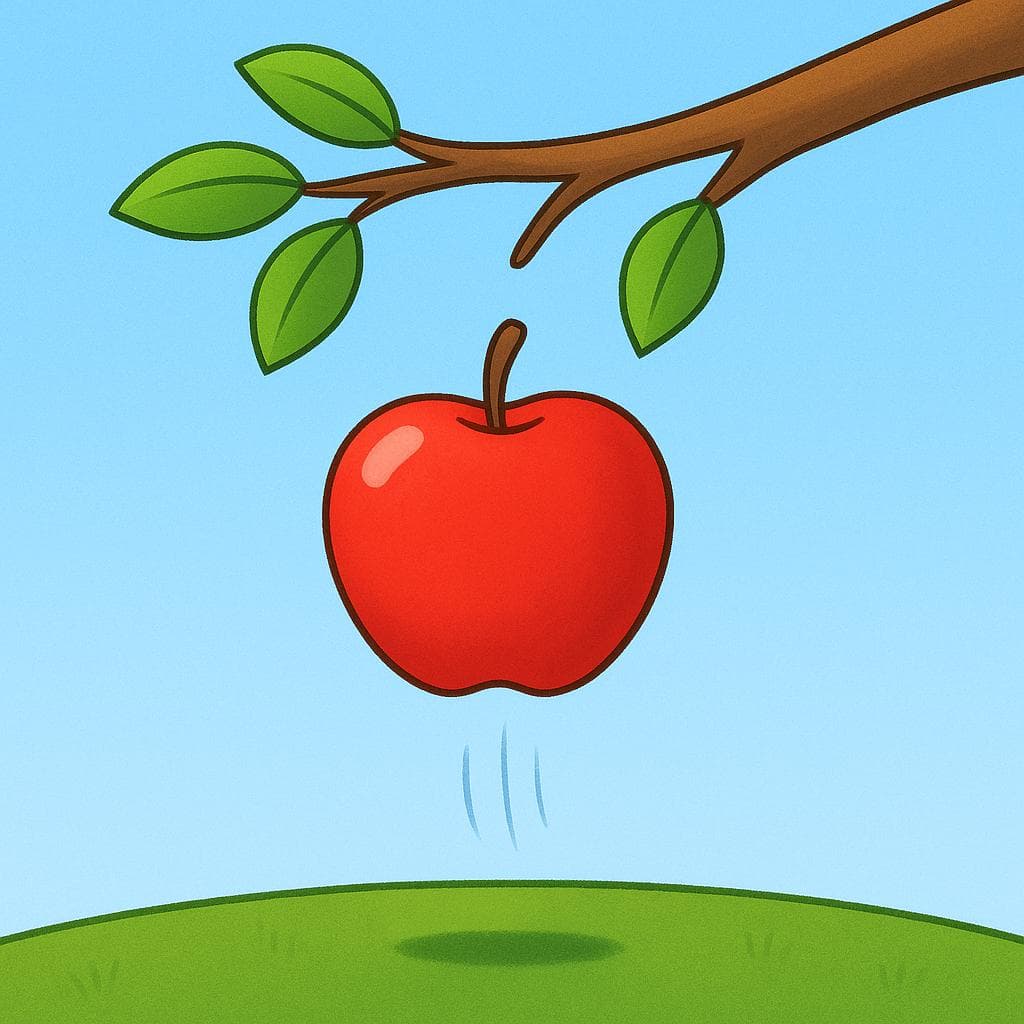
Use 'gravedad' when referring to the fundamental force of nature that attracts objects with mass towards each other, often in a general scientific or everyday context.
Learn more →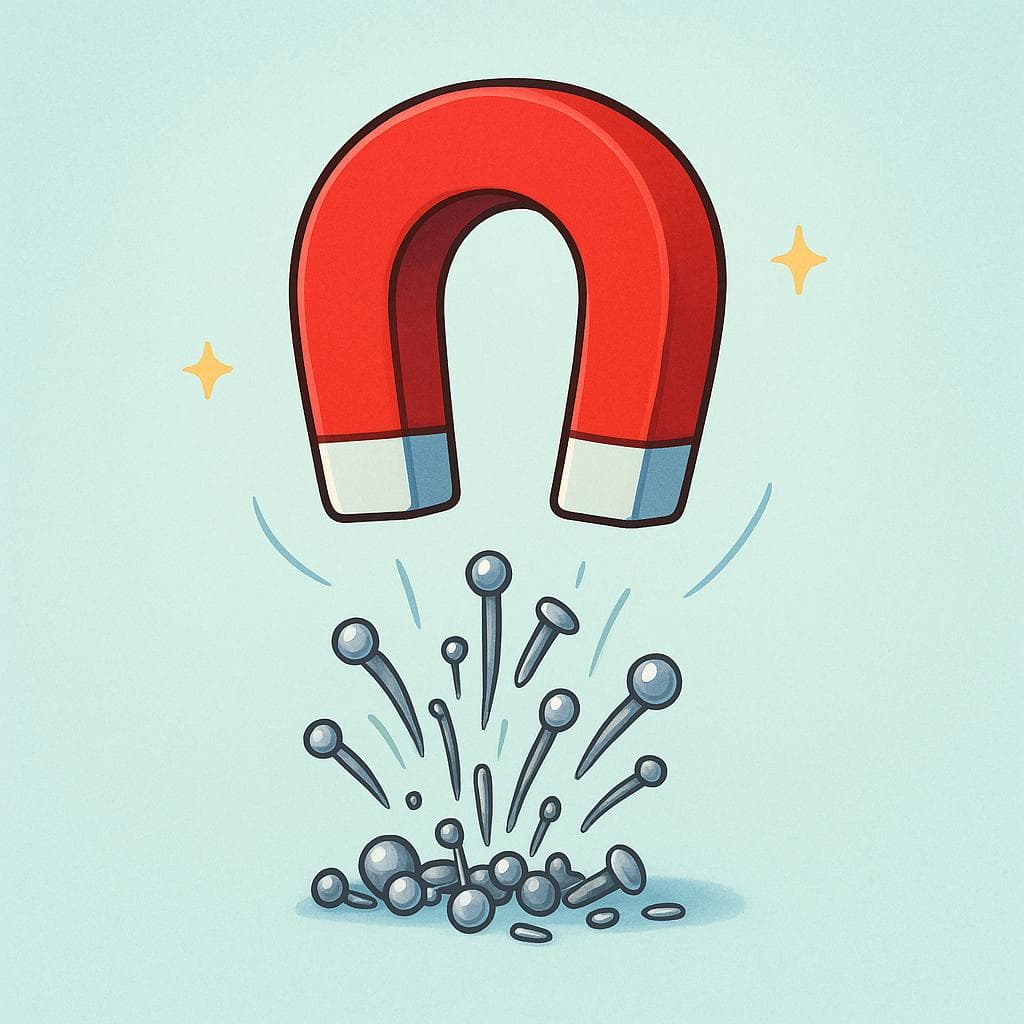
Use 'atracción' specifically when discussing the 'gravitational attraction' as the direct force causing one celestial body to pull another, emphasizing the act of pulling.
Learn more →grah-veh-DAHDɡɾaβeˈðað
Examples
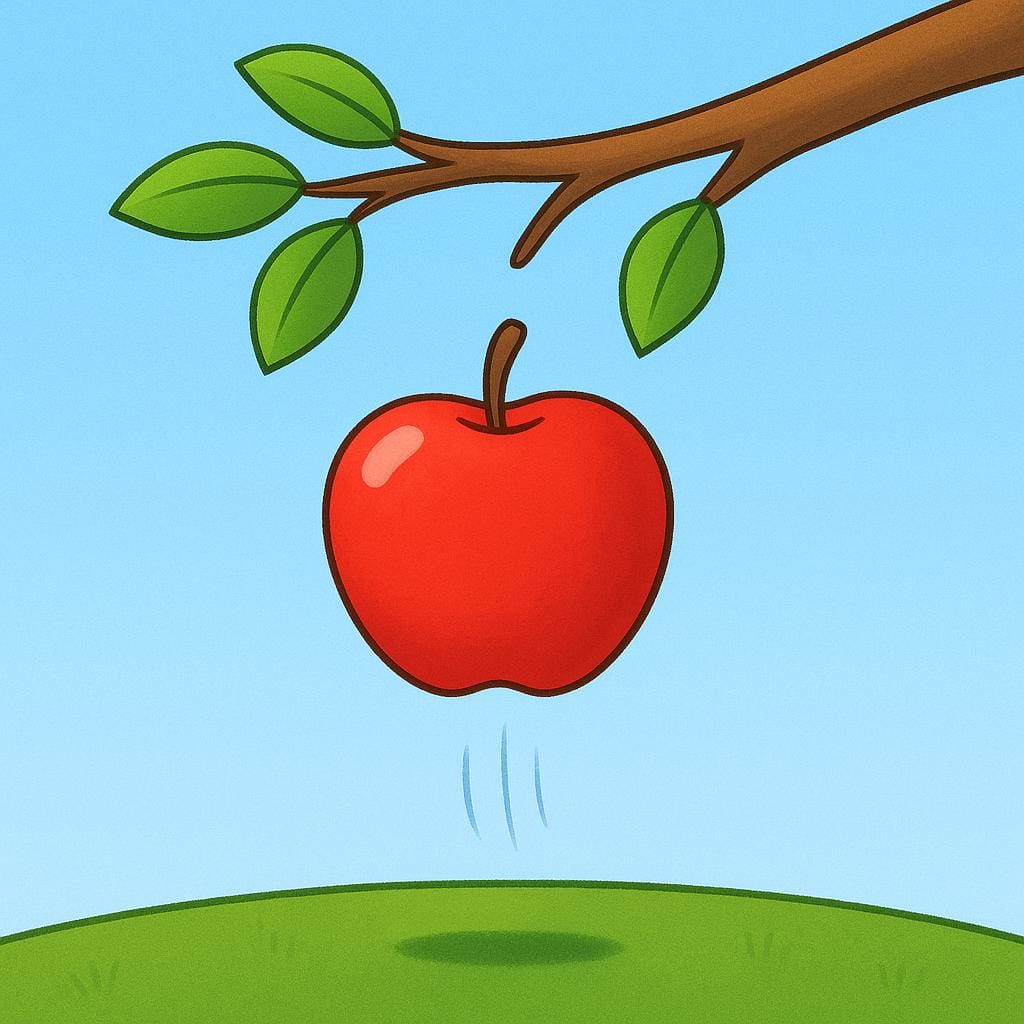
La gravedad es la razón por la que las cosas caen.
Gravity is the reason things fall.
En la Luna, la gravedad es mucho menor que en la Tierra.
On the Moon, gravity is much less than on Earth.
Feminine Noun Rule
Most Spanish nouns ending in -dad are feminine, so remember to use 'la' before 'gravedad'.
ah-trahk-SYOHNa.tɾakˈθjon
Examples
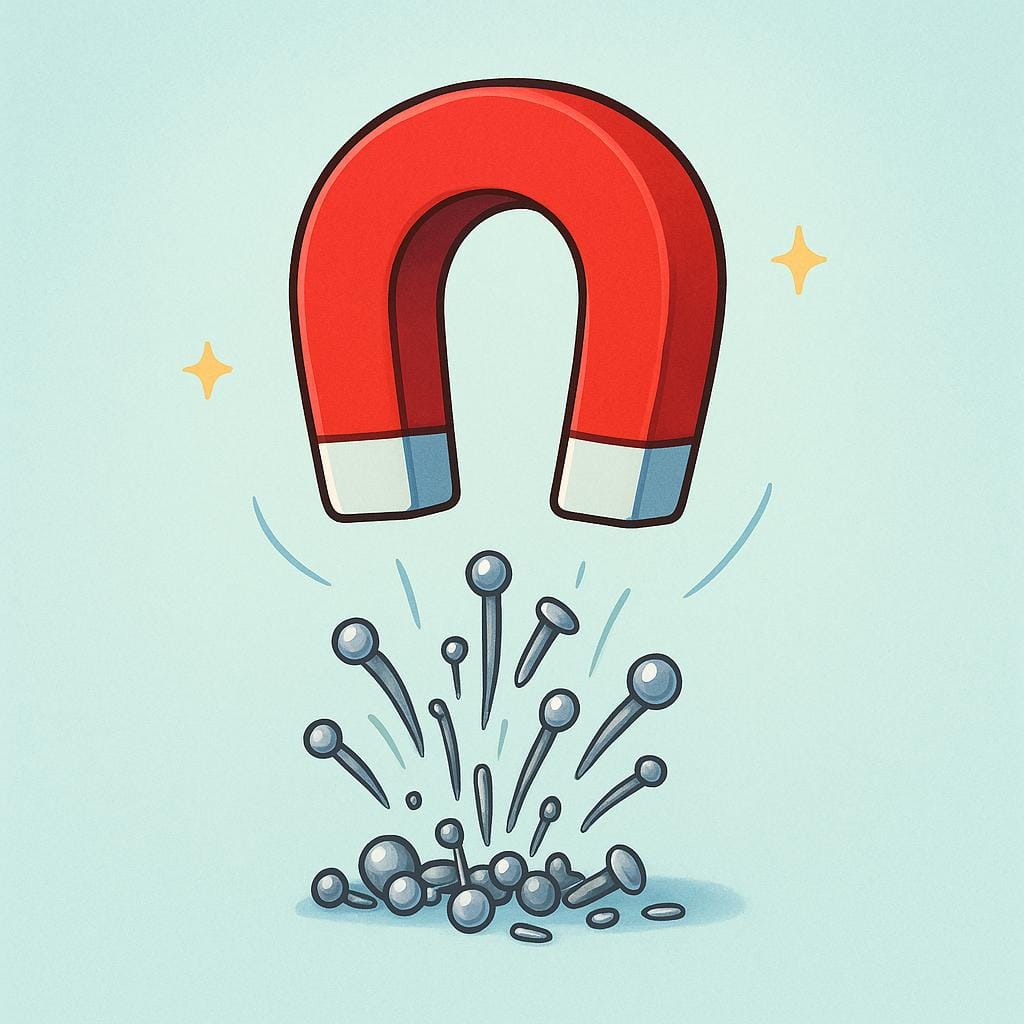
La atracción gravitatoria mantiene a la Luna en órbita alrededor de la Tierra.
Gravitational attraction keeps the Moon in orbit around the Earth.
Existe una fuerte atracción entre las moléculas de agua.
There is a strong attraction between water molecules.
Scientific Context
When used scientifically, 'atracción' refers to the physical force that pulls two things together, like planets or magnets.
Gravedad vs. Atracción
Learners often confuse 'gravedad' and 'atracción' because both relate to the concept of gravity. Remember that 'gravedad' is the general scientific term for the force, while 'atracción' (specifically 'atracción gravitatoria') describes the act of pulling or the specific force between two bodies.
Related Translations
Learn Spanish with Inklingo
Interactive stories, personalized learning, and more.