How to Say "hair" in Spanish
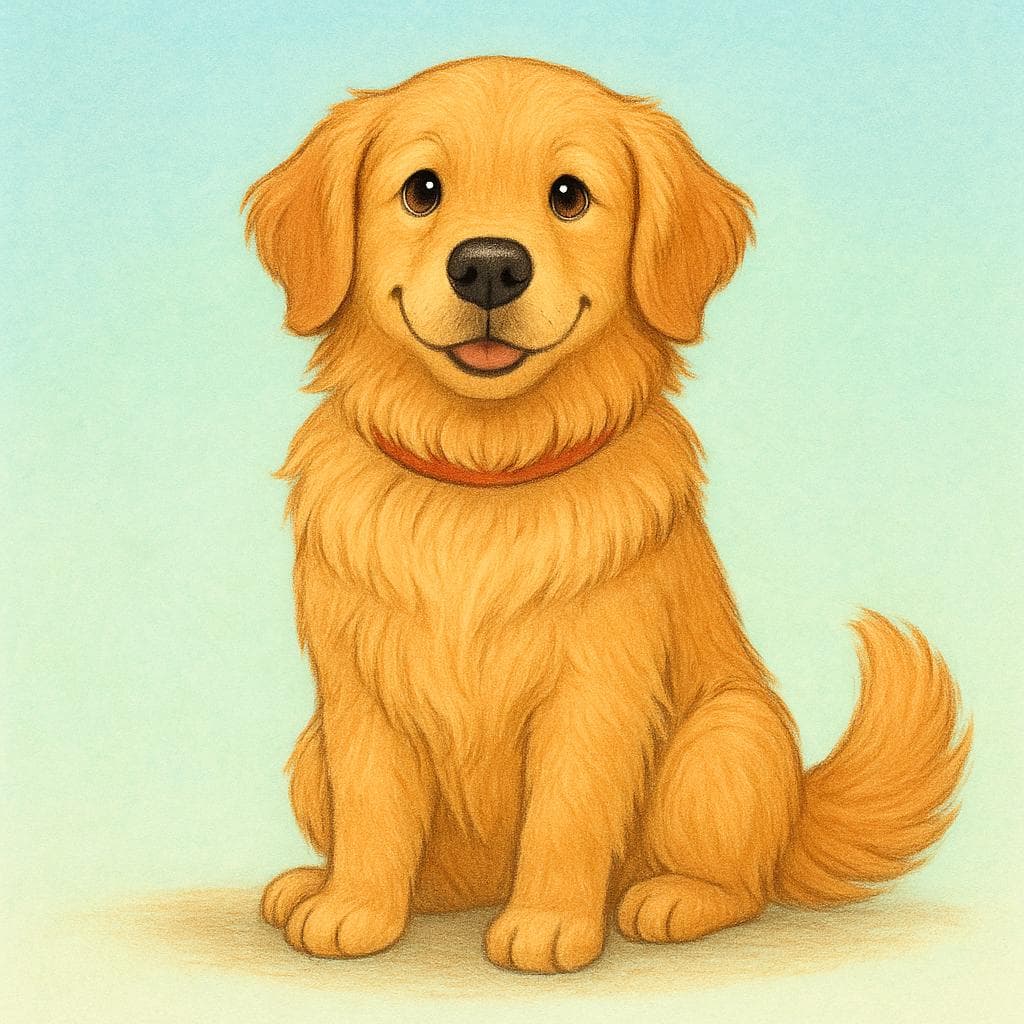
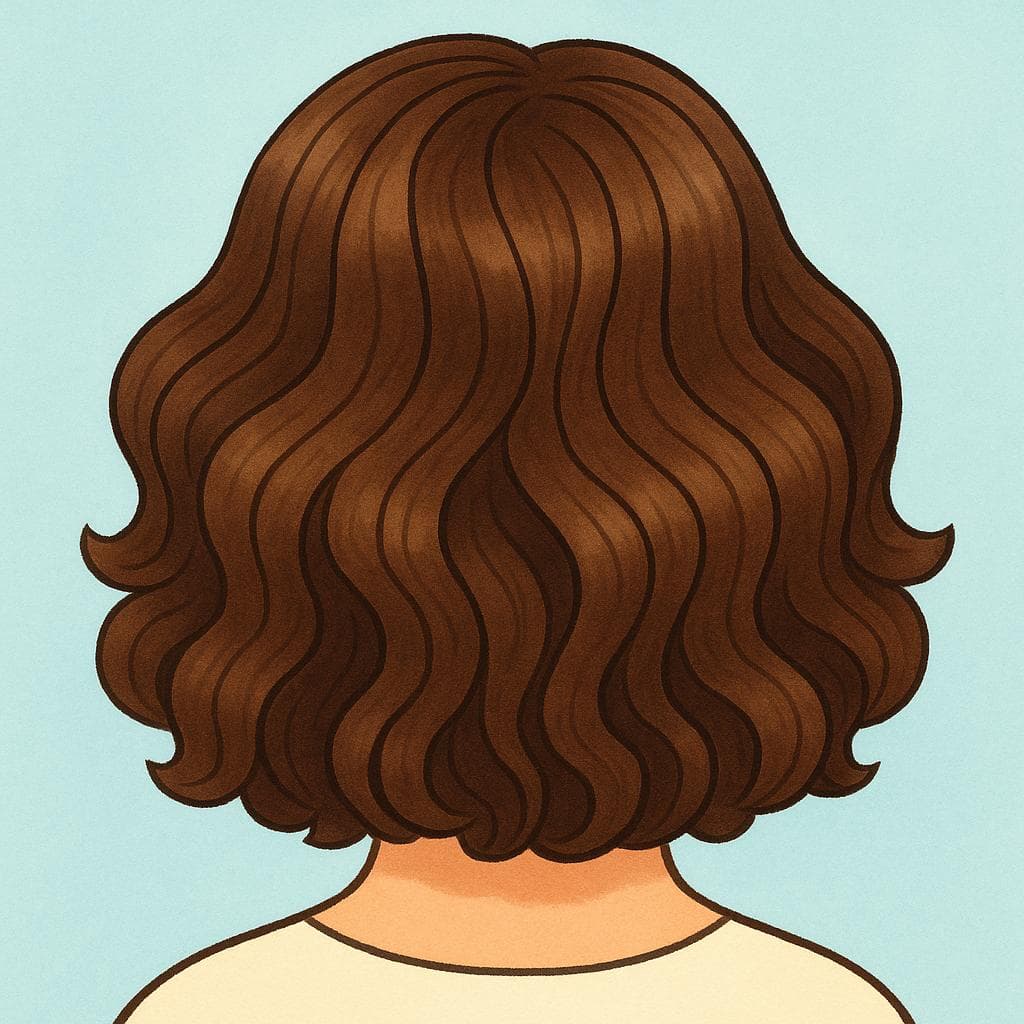
The most common Spanish word for “hair” is “pelo” — use 'pelo' when referring to the hair on a person's head or any hair on an animal's body.
peh-loh'pe.lo
Examples
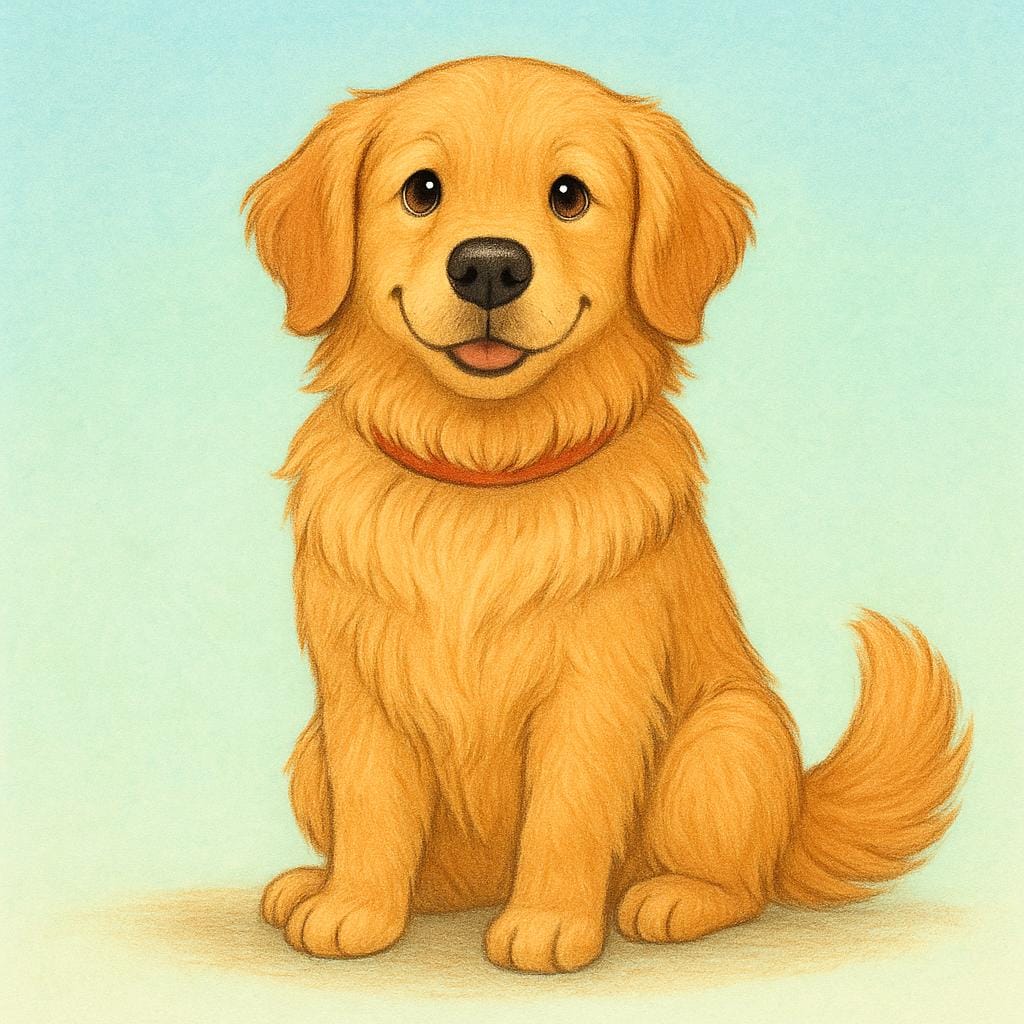
Mi perro tiene el pelo muy suave.
My dog has very soft fur.
Mi hermana tiene el pelo largo y rubio.
My sister has long, blonde hair.
El pelo del gato está por todo el sofá.
The cat's fur is all over the sofa.
Se me está cayendo mucho el pelo.
I'm losing a lot of hair.
One Thing vs. Many Strands
Use 'el pelo' (singular) to talk about all the hair on a head as one concept. Use 'los pelos' (plural) to talk about individual strands, like when you find a few on your shirt.
'Pelo' vs. 'Cabello'
Mistake: “Using 'pelo' when you want to sound more formal or poetic about head hair.”
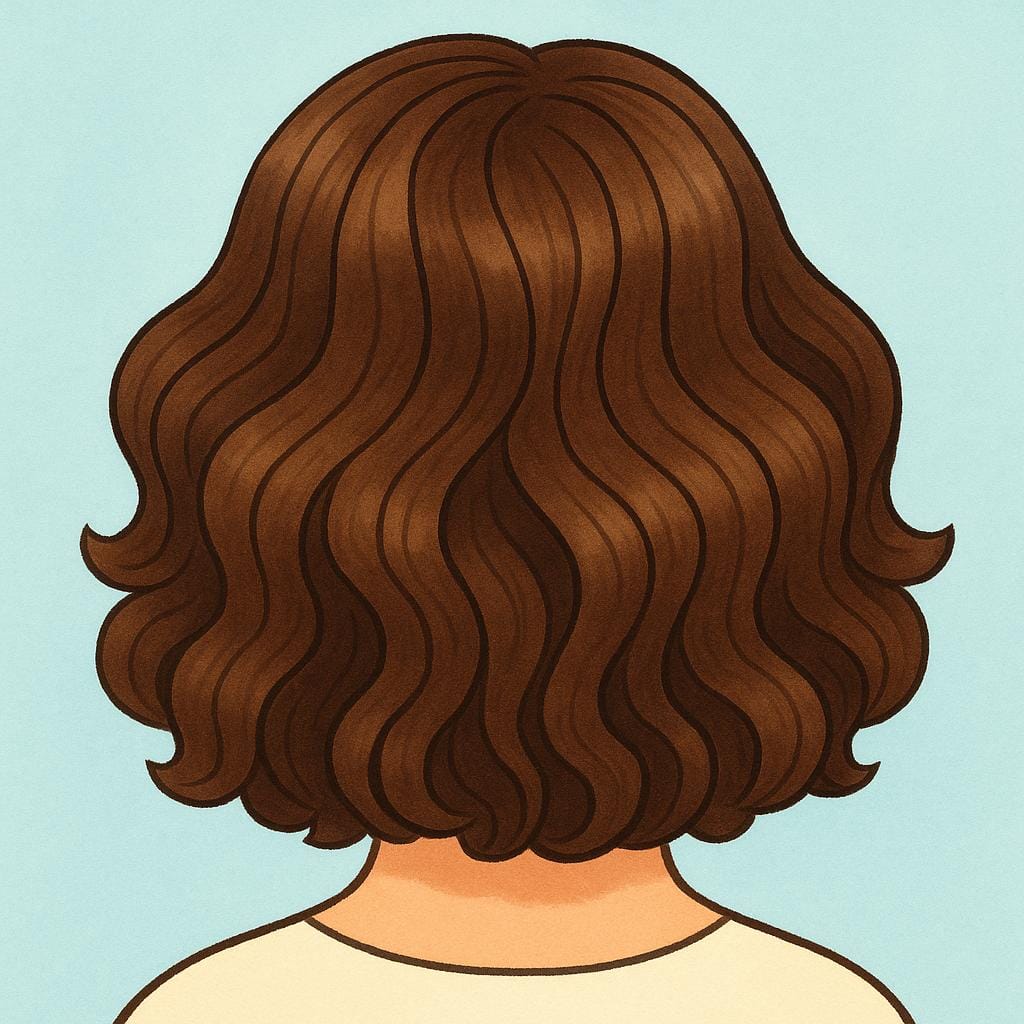
Correction: 'Cabello' also means 'hair' but is only for the hair on a human head. It can sound more formal or technical (like in a hair salon). 'Pelo' is the perfect word for everyday use.
kah-BEH-yohkaˈβe.ʝo
Examples
Ella se cortó el cabello ayer.
She cut her hair yesterday.
Mi hermana tiene el cabello muy rizado.
My sister has very curly hair.
Necesitas ir a la peluquería para cortarte el cabello.
You need to go to the hair salon to cut your hair.
El viento sopló y su cabello se movió libremente.
The wind blew and her hair moved freely.
Masculine and Singular
Even though you have thousands of strands, 'cabello' is typically a masculine word used in the singular form (el cabello). You only use the plural 'cabellos' if you are referring to specific, countable strands.
Using the definite article incorrectly
Mistake: “Me gusta mi cabello. (Incorrect, too common in literal translation)”
Correction: Me gusta mi pelo/cabello. (The possessive 'mi' is fine, but in Spanish, we often use the definite article 'el' when talking about body parts or hair: 'Me gusta EL cabello.')
Pelo vs. Cabello
The most common confusion is using 'cabello' for animals. Remember, 'pelo' is the general term and works for both humans and animals, while 'cabello' is specific to human head hair. Stick to 'pelo' for animals to avoid errors.
Related Translations
Learn Spanish with Inklingo
Interactive stories, personalized learning, and more.