How to Say "hiding" in Spanish
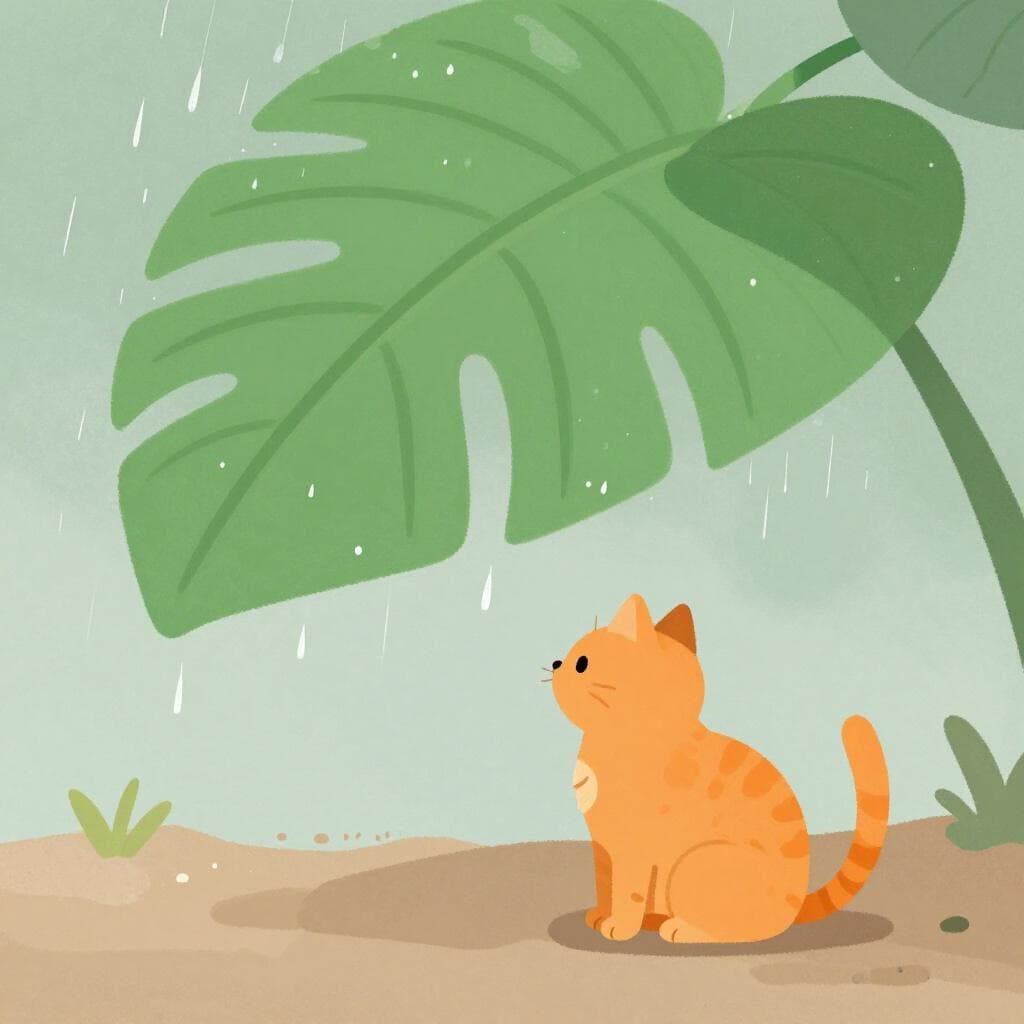
The most common Spanish word for “hiding” is “escondiendo” — use this when someone or something is actively trying to be unseen or concealed. It's the most direct translation for the act of hiding.



escondiendo
ehs-kohn-DYEN-dohes.konˈdjen.do

Examples
Mi perro se está escondiendo debajo de la cama.
My dog is hiding under the bed.
Estábamos escondiendo los regalos para que no los vieran.
We were hiding the gifts so they wouldn't see them.
Ella sigue escondiendo la verdad sobre lo que pasó anoche.
She keeps concealing the truth about what happened last night.
How to show an ongoing action
This word is the '-ing' form of the verb 'esconder' (to hide). You must use it with the verb 'estar' (to be) to form a progressive tense, like 'estoy escondiendo' (I am hiding).
The -iendo ending rule
All regular Spanish verbs that end in -ER or -IR (like 'esconder') use the '-iendo' ending for this form. Verbs ending in -AR use '-ando'.
Using 'Ser' instead of 'Estar'
Mistake: “Soy escondiendo.”
Correction: Estoy escondiendo. Remember, the ongoing action form (the gerund) always pairs with 'estar' because the action is temporary or happening right now.
ocultando
oh-kool-TAHN-doho.kulˈtan.do

Examples
El niño está ocultando los dulces debajo de la almohada.
The child is hiding the candy underneath the pillow.
Ella estuvo ocultando la verdad durante meses.
She was concealing the truth for months.
La niebla estaba ocultando la cima de la montaña.
The fog was masking (hiding) the peak of the mountain.
The '-ando' Ending
Words ending in '-ando' are the Spanish equivalent of English words ending in '-ing' (like 'running' or 'hiding'). They describe an action happening right now.
Forming Continuous Tenses
You almost always pair 'ocultando' with a form of the verb 'estar' (to be) to show continuous action: 'estoy ocultando' (I am hiding).
Using 'Ser' instead of 'Estar'
Mistake: “Soy ocultando.”
Correction: Estoy ocultando. Remember, when describing an action in progress, you must use 'estar', not 'ser'.
cubriendo
koo-bree-EHN-dohkuˈβɾjendo

Examples
Ella está cubriendo al bebé con una manta.
She is covering the baby with a blanket.
Las nubes están cubriendo el sol.
The clouds are covering the sun.
The '-ing' Form
This word is a 'gerund,' which is just a fancy way of saying it's the '-ing' version of the verb. It shows that an action is currently in progress.
Cubriendo vs. Cobrando
Mistake: “Using 'cubriendo' when you mean to say you are charging money.”
Correction: Use 'cobrando' for money and 'cubriendo' for physical or figurative coverage.
refugiados
reh-foo-hyah-dohssrefuˈxjaðos
Examples
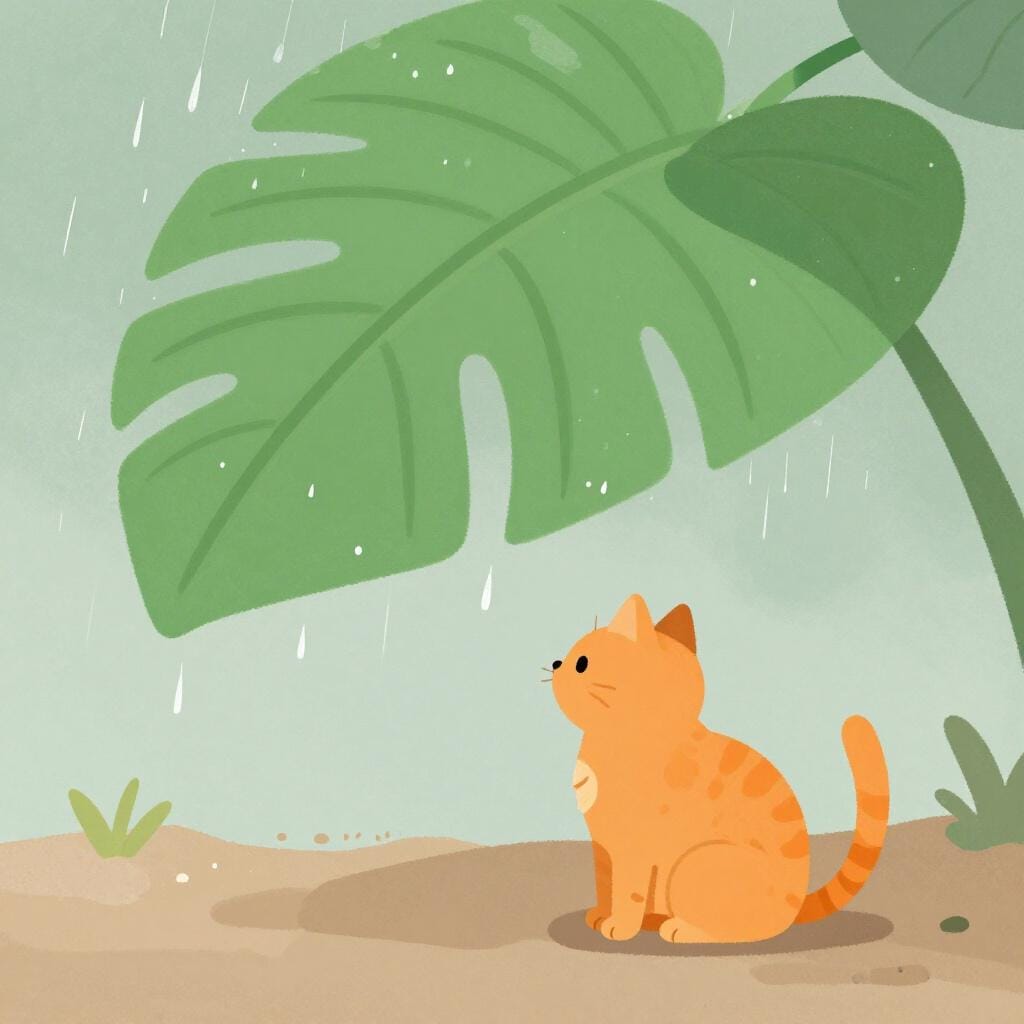
Estábamos refugiados bajo el puente durante la tormenta.
We were sheltered under the bridge during the storm.
Los excursionistas pasaron la noche refugiados en una cueva.
The hikers spent the night sheltered in a cave.
Using 'Estar'
When using this as an adjective to describe where someone is taking cover, always use the verb 'estar' (to be) because it describes a temporary situation.
paliza
pah-LEE-sahpaˈlisa

Examples
El matón le dio una paliza y le robó el dinero.
The bully gave him a beating and stole his money.
La policía detuvo a los responsables de la paliza.
The police arrested those responsible for the thrashing.
Always Feminine
Even though it ends in '-a', remember to use the feminine article: 'la paliza'.
Don't confuse hiding with beating!
Related Translations
Learn Spanish with Inklingo
Interactive stories, personalized learning, and more.