How to Say "i searched" in Spanish
The Spanish word for “i searched” is “busqué” — A1 level. This is a very common word in everyday Spanish.
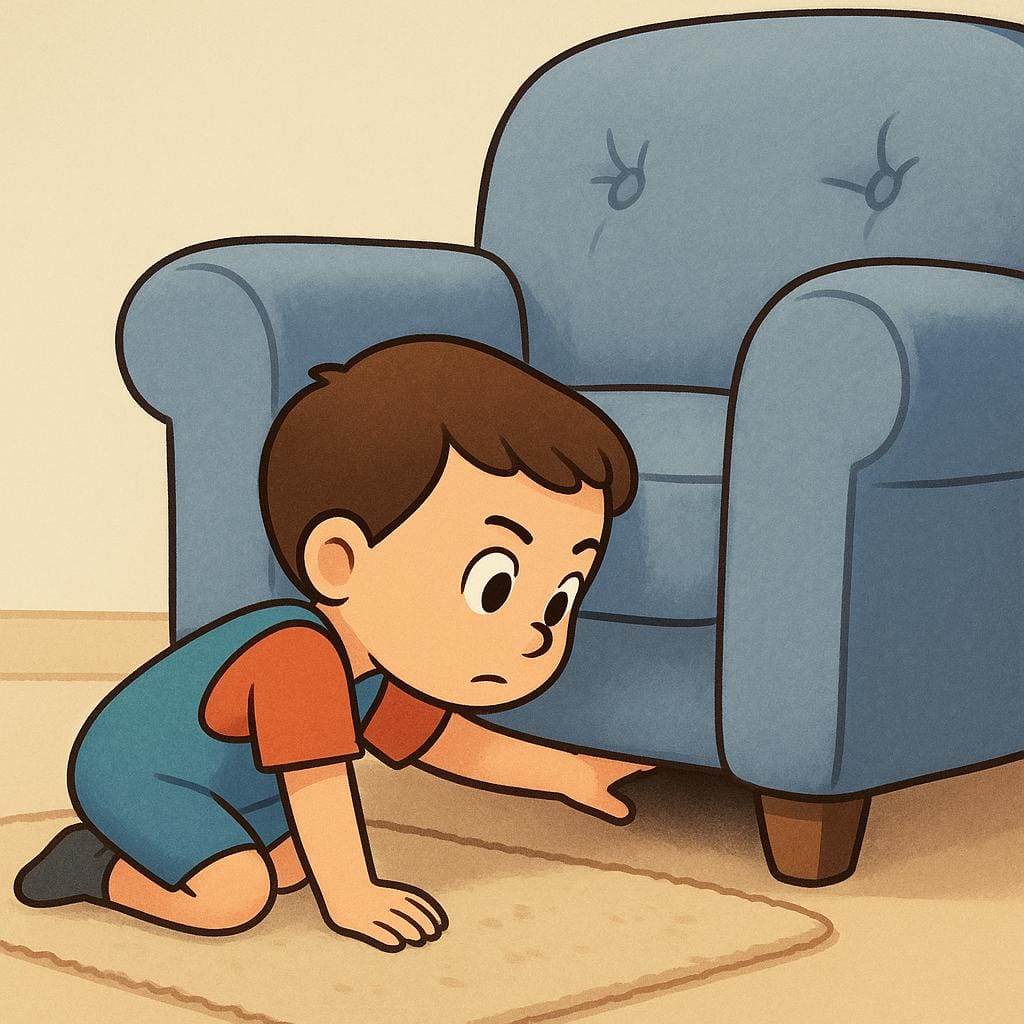
Examples
Ayer busqué mis gafas por media hora.
Yesterday I looked for my glasses for half an hour.
Busqué el restaurante en el mapa antes de salir.
I searched for the restaurant on the map before leaving.
Busqué una solución al problema, pero no la encontré.
I looked for a solution to the problem, but I didn't find one.
The Simple Past (Preterite)
This form tells you that the action ('I looked for') started and finished completely at a specific moment in the past. It is a one-time event.
The C-to-QU Spelling Change
Since buscar ends in -car, the 'c' changes to 'qu' only in the 'yo' preterite form (busqué) and all subjunctive forms (busque, busquemos, etc.). This change keeps the hard 'k' sound consistent.
Missing the Accent Mark
Mistake: “I looked for: busqué (with accent)”
Correction: Always remember the accent mark (´) on the final 'é'. If you write 'busque', you are using a different verb form (the subjunctive, used for wishes or commands).
Forgetting the Spelling Rule
Mistake: “I looked for: buscé (Incorrect C)”
Correction: The correct form is 'busqué'. If you used 'buscé', it would sound like 'boo-SEH' instead of 'boo-SKEH'. Spanish needs the 'qu' before 'e' to keep the hard 'k' sound.
Learn Spanish with Inklingo
Interactive stories, personalized learning, and more.