How to Say "i shot" in Spanish
The most common Spanish word for “i shot” is “disparé” — use 'disparé' when the primary meaning is to fire a gun or other projectile weapon, emphasizing the act of discharging the weapon itself.
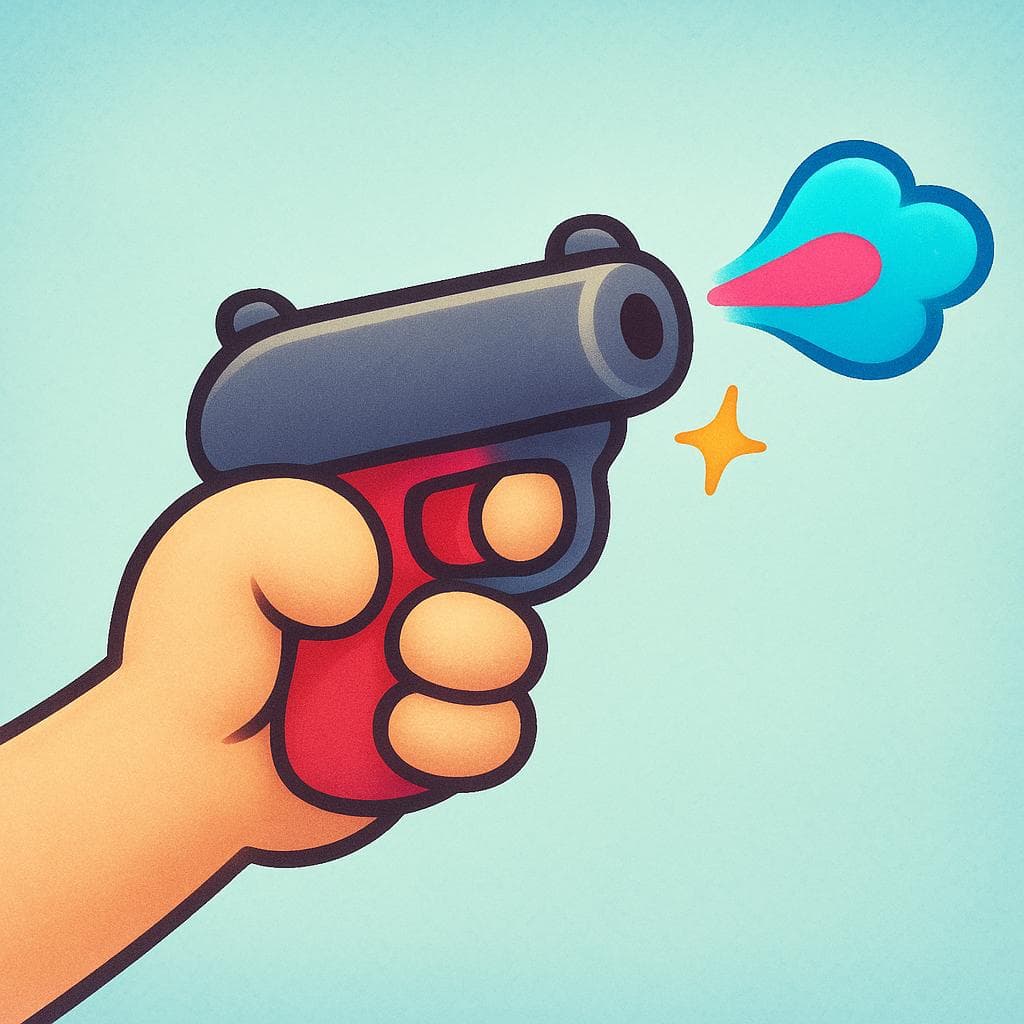
dis-pa-RÉdis.paˈɾe

Examples
Solo disparé una vez y fallé el objetivo.
I only shot once and I missed the target.
Cuando vi al oso, disparé una bengala al aire para asustarlo.
When I saw the bear, I fired a flare into the air to scare it.
The Simple Past (Preterite)
The word 'disparé' tells you two things: that the action happened entirely in the past and that 'I' (yo) was the one who did it. It's used for actions that were completed and finished.
Regular -AR Verb Pattern
'Disparar' is a regular verb. To form 'disparé,' you drop the '-ar' and add '-é,' which is the standard ending for 'yo' in the simple past for all regular -ar verbs.
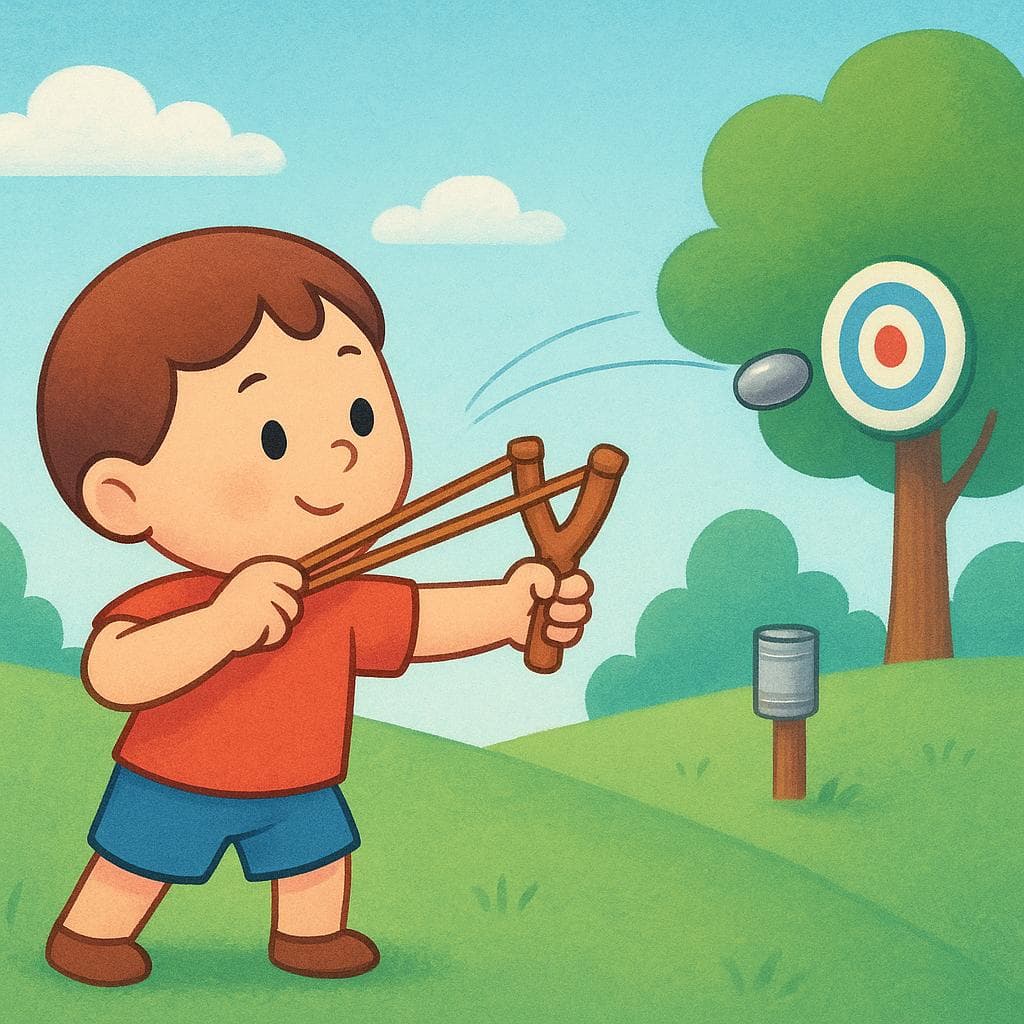
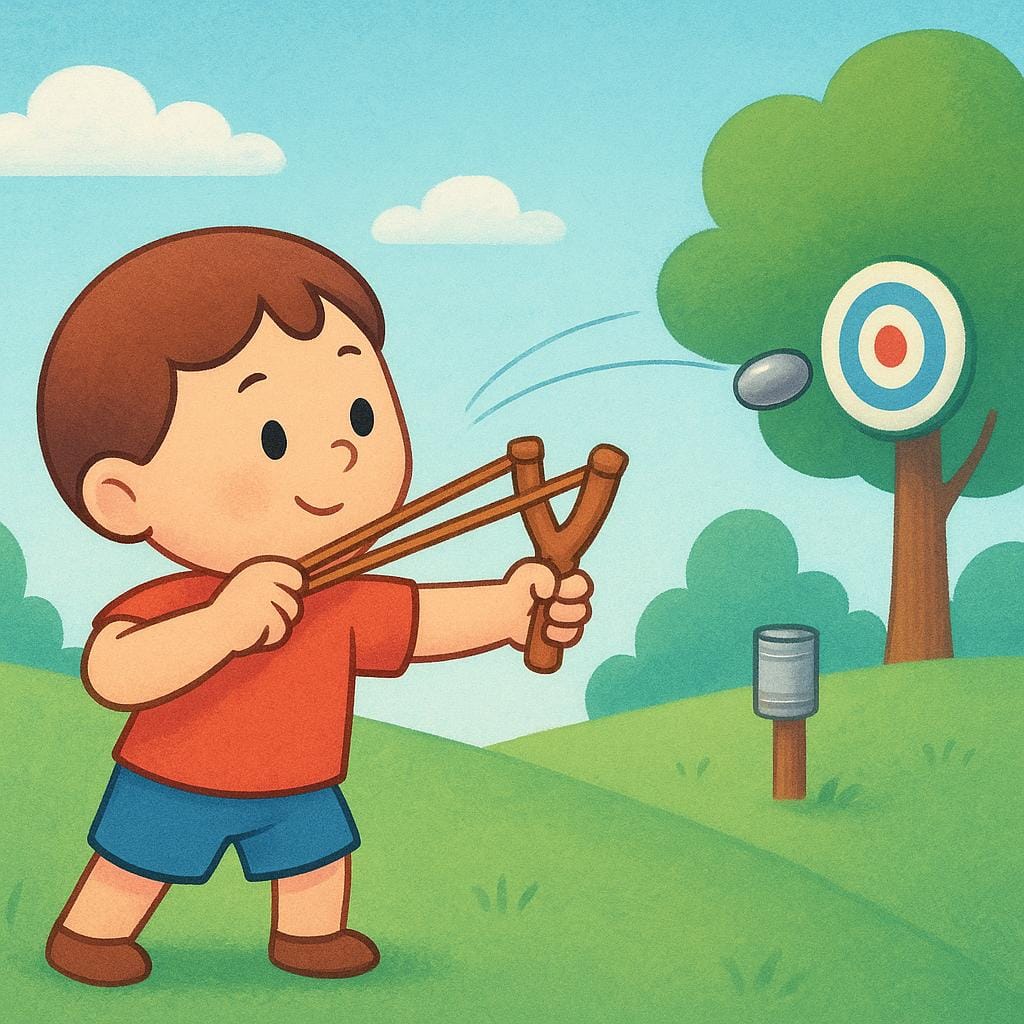
tee-RAYtiˈɾe
Examples
Tiré al pato, pero no lo acerté.
I shot at the duck, but I didn't hit it.
Tiré una foto de la puesta de sol con mi móvil.
I took a picture of the sunset with my phone. (Common in some areas)
Disparé vs. Tiré
Learners often confuse 'disparé' and 'tiré' because both can mean 'to shoot'. Remember that 'disparé' specifically refers to firing a weapon, while 'tiré' is broader and can mean to shoot *at* something, or even just to throw.
Related Translations
Learn Spanish with Inklingo
Interactive stories, personalized learning, and more.