How to Say "imported" in Spanish
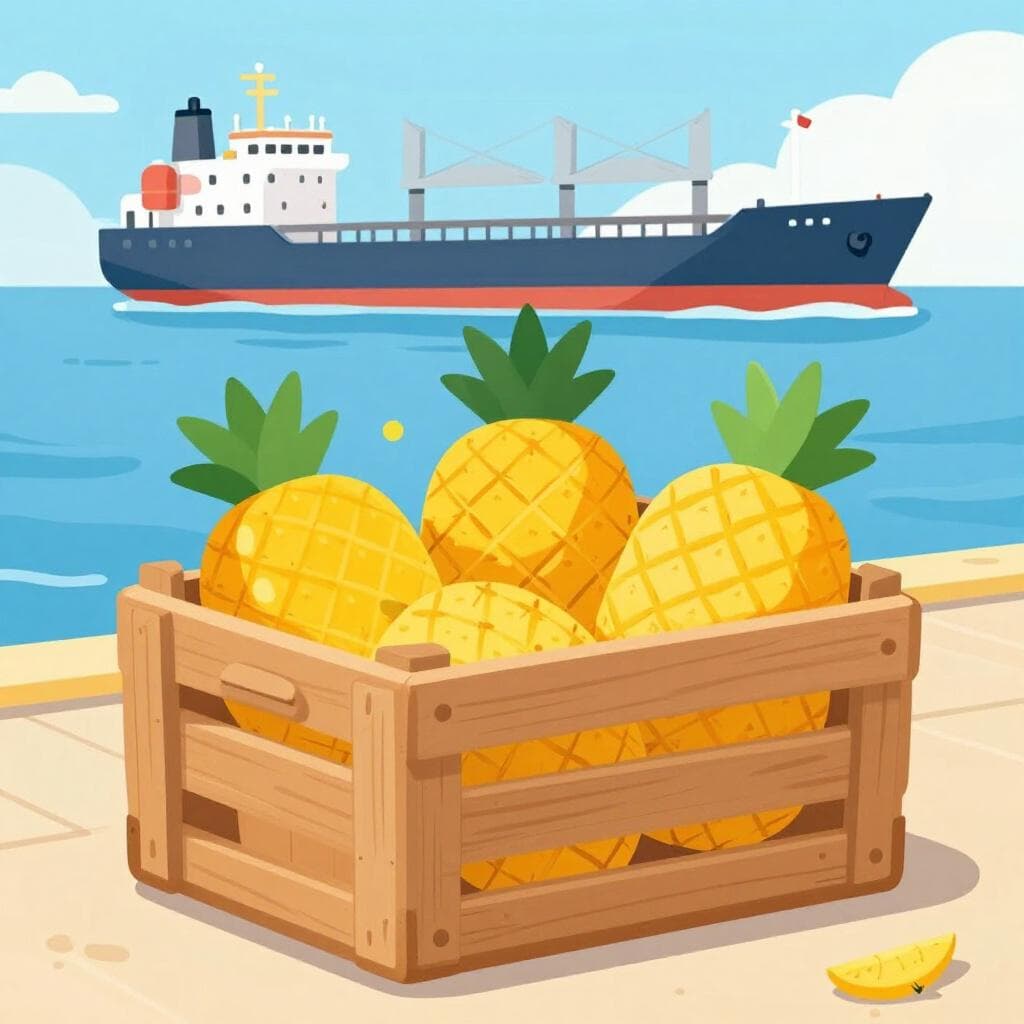
The most common Spanish word for “imported” is “importado” — use 'importado' when describing goods or products that have been brought into a country from another country. It directly translates the concept of being 'imported'.

importado
eem-por-TAH-dohim.porˈta.ðo

Examples
Este queso es importado de Francia.
This cheese is imported from France.
Prefiero comprar ropa importada porque es de mejor calidad.
I prefer buying imported clothes because they are better quality.
Los coches importados son muy caros en este país.
Imported cars are very expensive in this country.
Mi empresa ha importado café desde Brasil.
My company has imported coffee from Brazil.
Matching the Noun
This word must match the thing it describes. Use 'importado' for masculine items (el carro) and 'importada' for feminine items (la fruta).
Placement
In Spanish, you usually place this word AFTER the object you are talking about, like 'un reloj importado' (an imported watch).
The 'Haber' Helper
When using this as an action (verb), it stays as 'importado' and doesn't change its ending, as long as it follows the helper verb 'haber'.
Two Meanings
Remember this verb form can mean 'brought from abroad' OR 'was important/mattered' depending on the context.
The 'Important' Mix-up
Mistake: “Es un documento muy importado.”
Correction: Es un documento muy importante. Use 'importante' for 'important' and 'importado' for things brought from another country.
importado
eem-por-TAH-dohim.porˈta.ðo
Examples
Mi empresa ha importado café desde Brasil.
My company has imported coffee from Brazil.
Este queso es importado de Francia.
This cheese is imported from France.
Prefiero comprar ropa importada porque es de mejor calidad.
I prefer buying imported clothes because they are better quality.
Los coches importados son muy caros en este país.
Imported cars are very expensive in this country.
Matching the Noun
This word must match the thing it describes. Use 'importado' for masculine items (el carro) and 'importada' for feminine items (la fruta).
Placement
In Spanish, you usually place this word AFTER the object you are talking about, like 'un reloj importado' (an imported watch).
The 'Haber' Helper
When using this as an action (verb), it stays as 'importado' and doesn't change its ending, as long as it follows the helper verb 'haber'.
Two Meanings
Remember this verb form can mean 'brought from abroad' OR 'was important/mattered' depending on the context.
The 'Important' Mix-up
Mistake: “Es un documento muy importado.”
Correction: Es un documento muy importante. Use 'importante' for 'important' and 'importado' for things brought from another country.
importó
Examples
La empresa importó café de Colombia.
The company imported coffee from Colombia.
extranjeros
eks-trahn-HEH-rohse(k)stɾanˈxeɾos

Examples
Me encantan los coches extranjeros.
I love foreign cars.
Estudiamos varios idiomas extranjeros en la escuela.
We study several foreign languages in school.
Recibimos fondos extranjeros para el proyecto.
We received foreign funds for the project.
Adjective Placement
In Spanish, adjectives like 'extranjeros' usually come after the noun they describe. Example: 'productos extranjeros' (foreign products), not 'extranjeros productos'.
Matching the Ending
Mistake: “Compré unos libros extranjeras.”
Correction: Compré unos libros extranjeros. ('Libros' is masculine plural, so the adjective must also be masculine plural.)
Adjective vs. Verb Usage
Related Translations
Learn Spanish with Inklingo
Interactive stories, personalized learning, and more.