How to Say "intersection" in Spanish
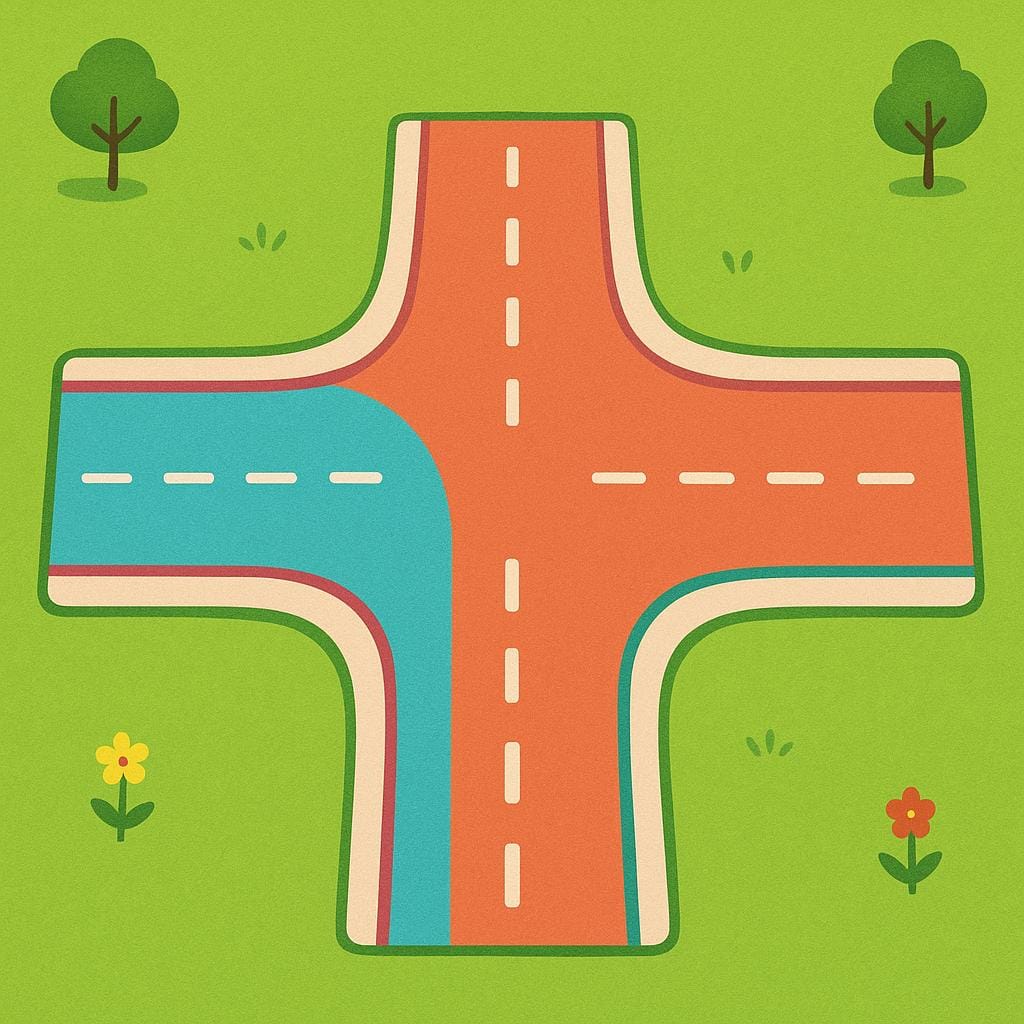
The most common Spanish word for “intersection” is “cruce” — use 'cruce' when referring to a general road junction or crossing point, especially in everyday conversation about navigating streets.
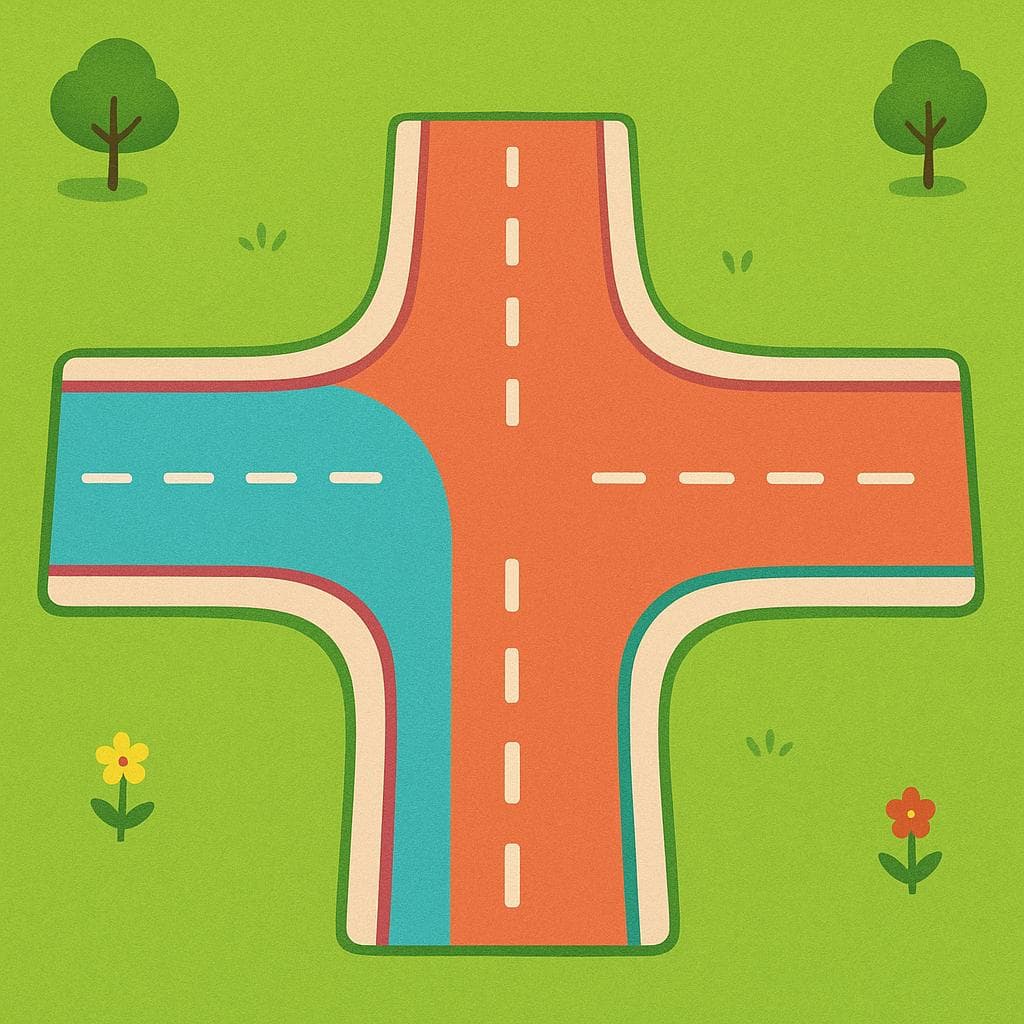
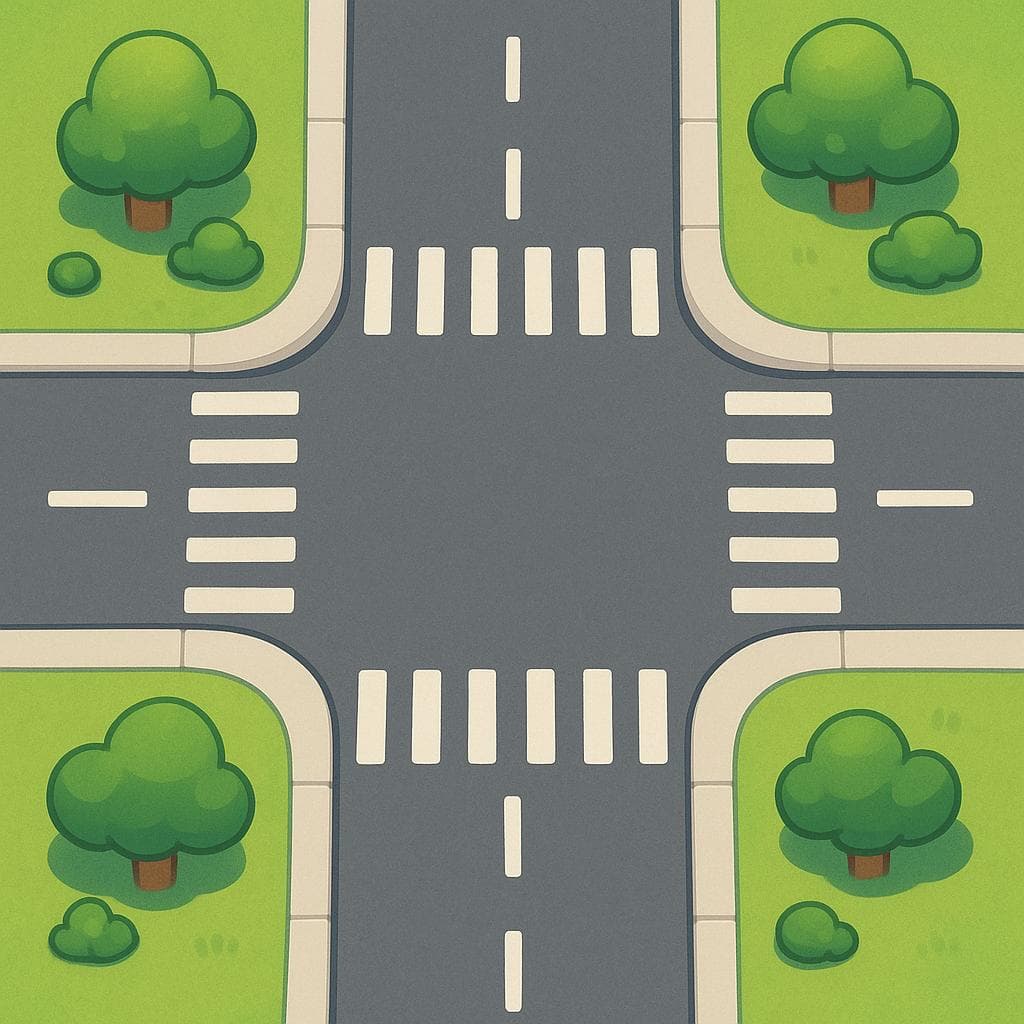
cruce
kroo-sehˈkɾuθe
Examples
El cruce de la calle principal siempre está congestionado.
The intersection of the main street is always congested.
Tuvimos que esperar en el cruce del ferrocarril.
We had to wait at the railroad crossing.
Gender Check
Remember that 'cruce' is masculine: 'el cruce'. It sounds like it might be feminine because it ends in '-e', but it follows the pattern of words derived from verbs.
Confusing 'cruce' and 'cruz'
Mistake: “Usar 'la cruce' para decir 'the cross' (religious symbol).”
Correction: Use 'la cruz' (the cross) for the object, and 'el cruce' (the intersection/act of crossing) for the place or action.
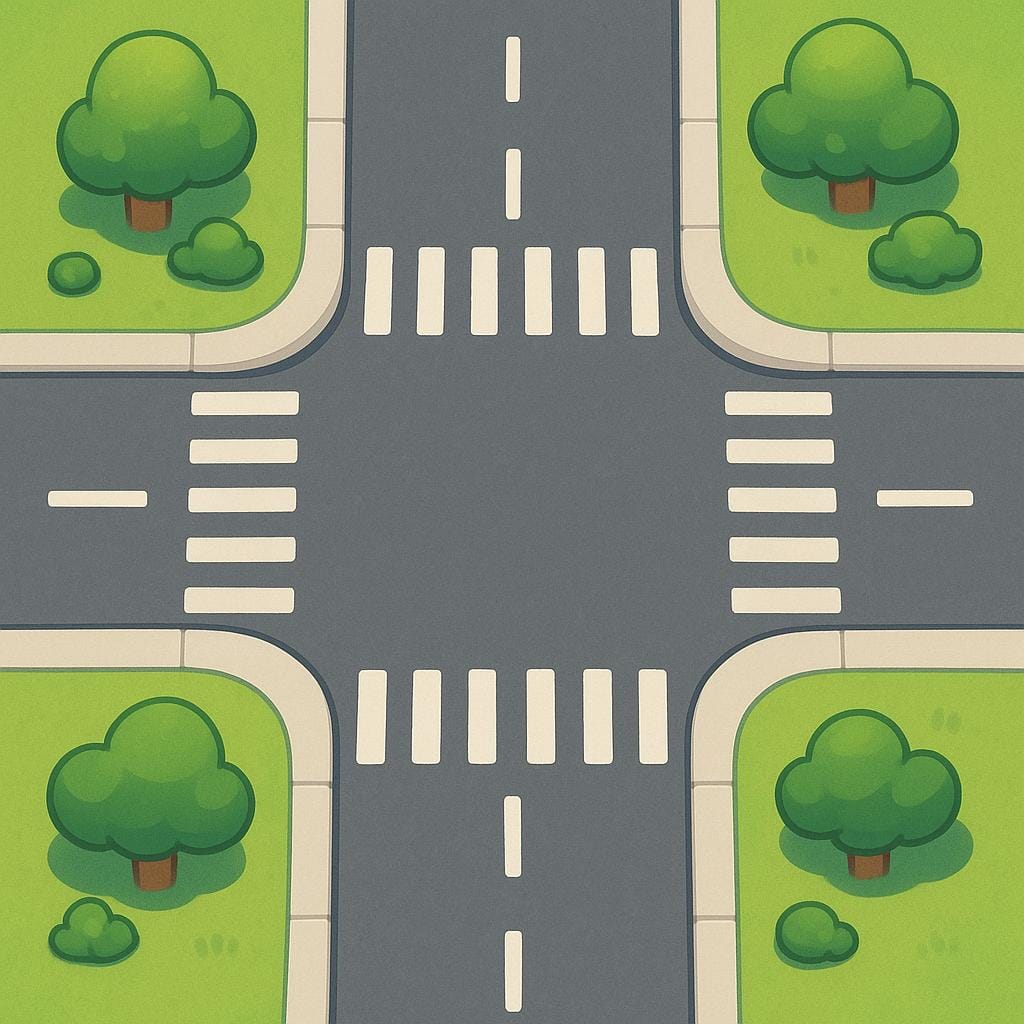
crucero
kroo-SEH-rohkɾuˈseɾo
Examples
Tuvimos que esperar mucho en el crucero principal de la ciudad.
We had to wait a long time at the main intersection of the city.
Hay un semáforo nuevo en ese crucero peligroso.
There is a new traffic light at that dangerous crossing.
Synonym Use
In many Spanish-speaking areas, 'cruce' is used more often than 'crucero' for a simple street crossing, but 'crucero' is common for major, complex intersections.
Cruce vs. Crucero
Related Translations
Learn Spanish with Inklingo
Interactive stories, personalized learning, and more.