How to Say "madness" in Spanish
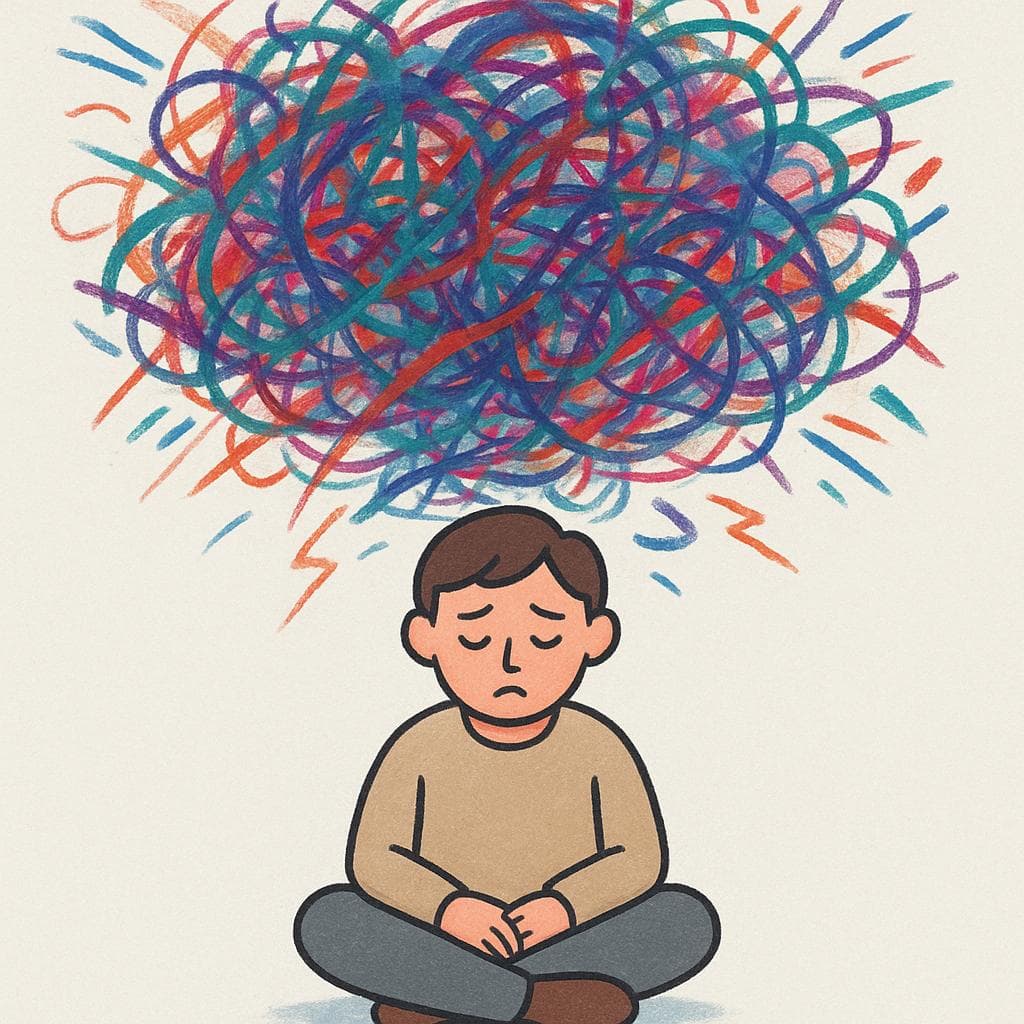
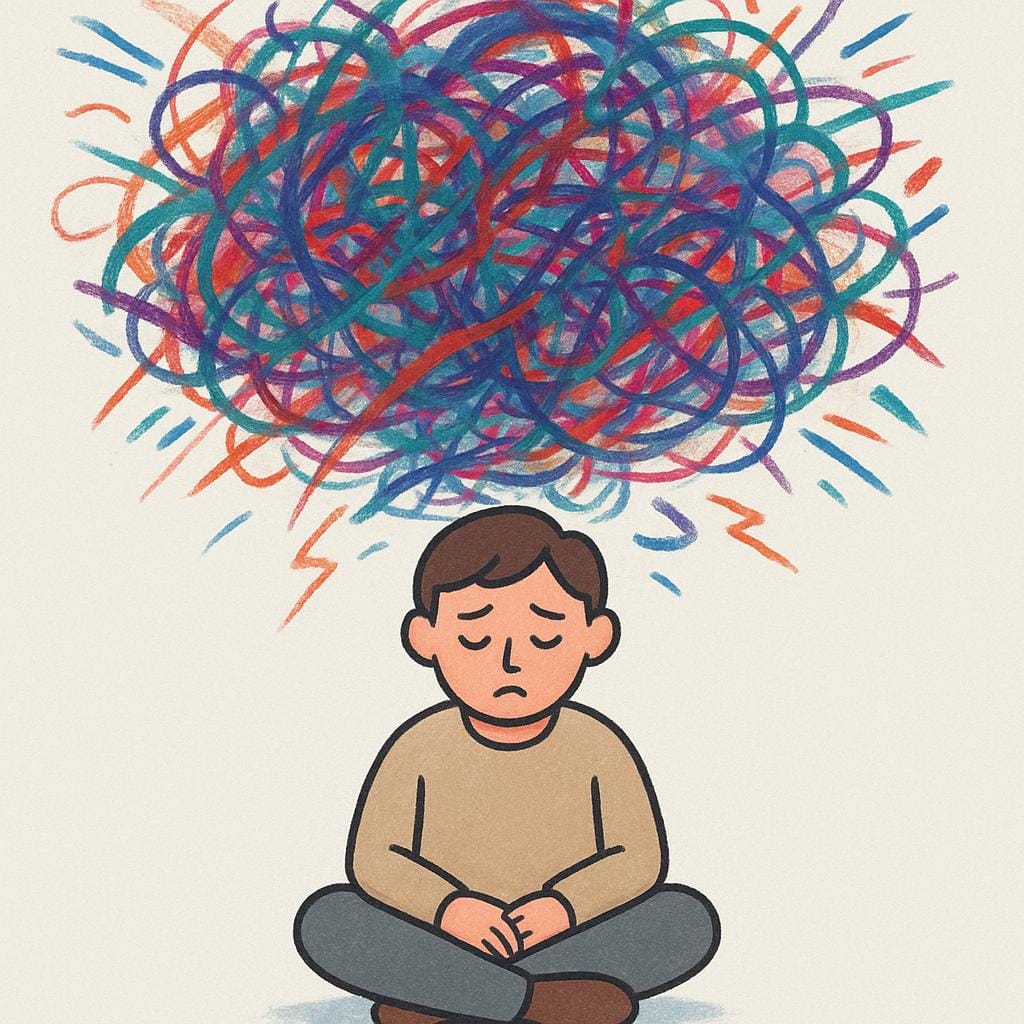
The most common Spanish word for “madness” is “locura” — use 'locura' for a state of mental illness or insanity, or for something that is completely chaotic and unreasonable, like a wild sale or a crazy price.


locura
loh-KOO-rahloˈkuɾa
Examples
¡Pagar mil euros por esa camisa es una locura!
Paying a thousand euros for that shirt is madness!
El personaje principal cae en la locura al final de la novela.
The main character descends into madness at the end of the novel.
A veces, el estrés del trabajo me lleva al borde de la locura.
Sometimes, the stress from work brings me to the brink of madness.
Dejar mi trabajo para viajar por el mundo fue la mejor locura de mi vida.
Quitting my job to travel the world was the best crazy thing I ever did.
Always Feminine
Like most Spanish words ending in '-ura', 'locura' is a feminine word. That means you always use 'la' or 'una' with it, as in 'la locura' (the madness) or 'una locura' (a madness).
Using 'un' instead of 'una'
Mistake: “Hice un locura.”
Correction: Hice una locura. Remember, 'locura' is a feminine noun, so it needs the feminine article 'una' (a/an) or 'la' (the).
delirio
deh-LEE-ryohdeˈliɾjo

Examples
¡Esa fiesta fue un delirio total!
That party was total madness!
Es un delirio pensar que podemos viajar mañana sin maletas.
It's nonsense to think we can travel tomorrow without suitcases.
Su amor por ese cantante es un auténtico delirio.
Her love for that singer is a real craze.
Using 'ser' with Delirio
When you want to say something is 'crazy' or 'nonsense', use 'Es un delirio'.
Too Heavy?
Mistake: “Esa película es un delirio (when you just mean it was slightly confusing).”
Correction: Use 'delirio' for something truly over-the-top or nonsensical. For small things, 'una tontería' is better.
demencia
deh-MEN-syahdeˈmen.sja

Examples
¡Conducir en esta ciudad a las cinco de la tarde es una demencia!
Driving in this city at five in the afternoon is madness!
Fue una demencia gastar todos nuestros ahorros en un solo viaje.
It was insanity to spend all our savings on a single trip.
La fiesta de anoche fue una auténtica demencia.
Last night's party was total craziness.
Describing Situations
When using 'demencia' to describe a situation, we almost always use the phrase 'es una demencia' (it's madness).
Don't use it for 'fun' crazy
Mistake: “¡Esta película es demencia!”
Correction: ¡Esta película es una locura! Use 'una locura' for fun excitement; 'demencia' usually implies something is too much to handle or totally illogical.
Distinguishing 'Locura', 'Delirio', and 'Demencia'
Related Translations
Learn Spanish with Inklingo
Interactive stories, personalized learning, and more.