How to Say "marry" in Spanish
The most common Spanish word for “marry” is “cásate” — use 'cásate' when directly asking someone to marry you or when giving informal, direct advice about marriage, often implying a personal relationship.
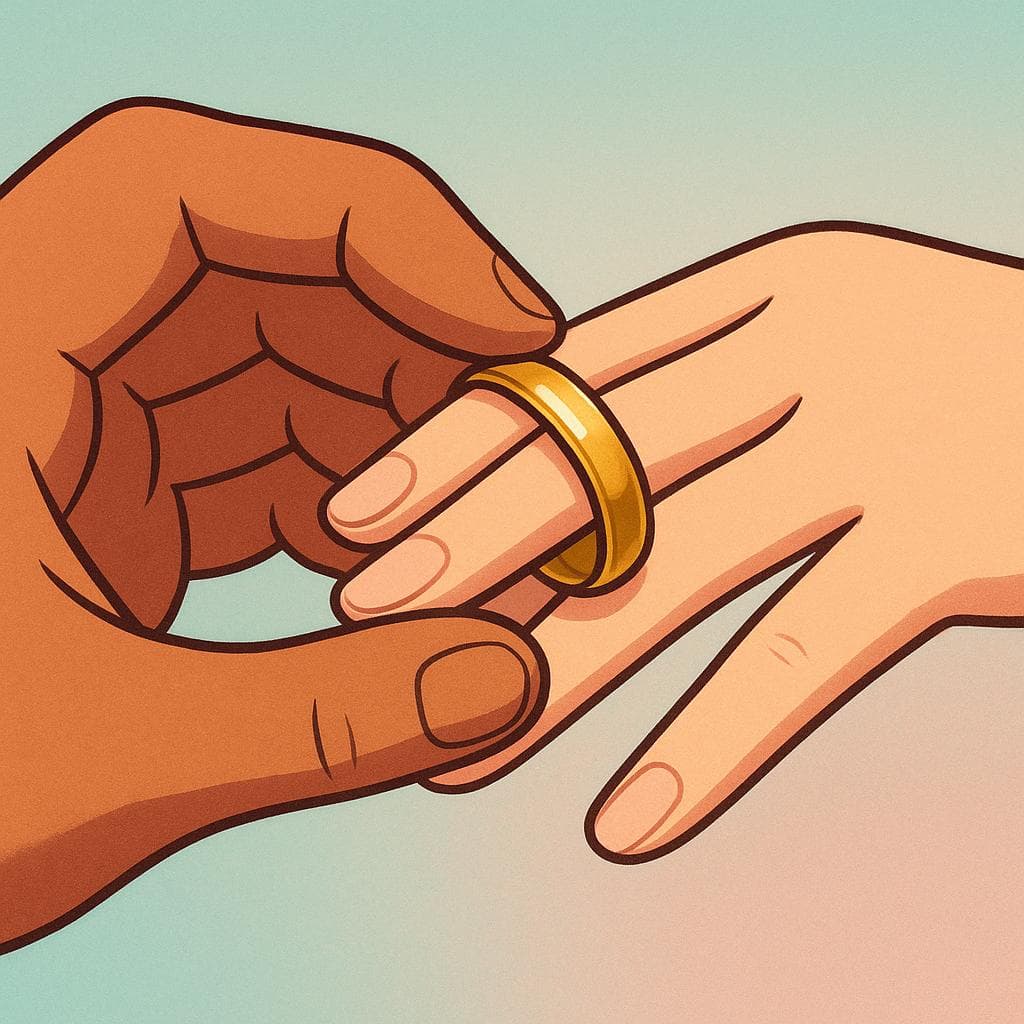
cásate
Examples
Cásate conmigo, por favor.
Marry me, please.
case
KAH-sehˈka.se
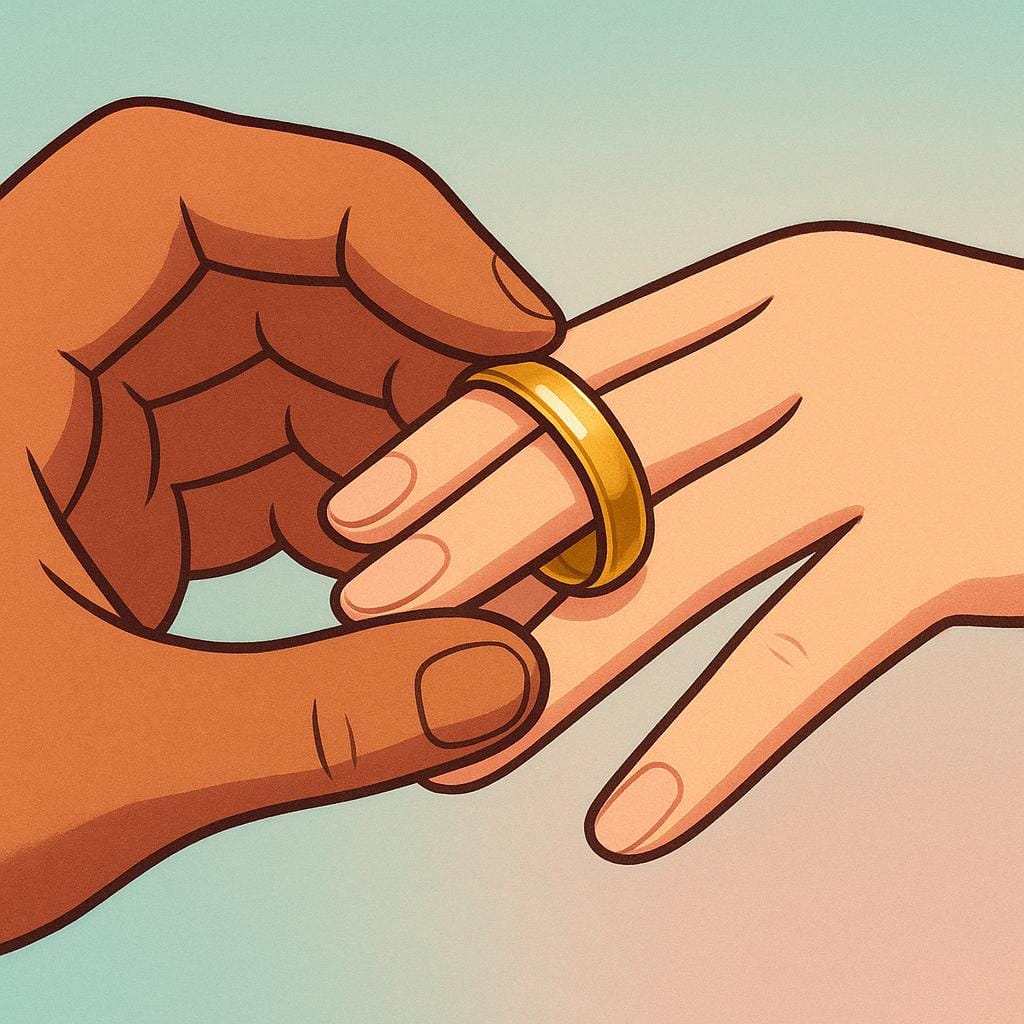
Examples
Mi madre quiere que me case con un buen hombre.
My mother wants me to marry a good man.
No creo que ella se case tan joven.
I don't think she will marry so young.
Por favor, oficial, case a la pareja inmediatamente.
Please, officer, marry the couple immediately. (Formal command)
Subjunctive Mood
The form 'case' is used when expressing desire, doubt, emotion, or necessity about someone marrying. This is the special verb form (subjunctive) Spanish uses when the main part of the sentence expresses uncertainty or influence.
Formal Commands
'Case' is also the formal way to tell one person (usted) to perform the action of marrying, often used by a superior or in a ceremony.
Forgetting 'se'
Mistake: “Espero que él case.”
Correction: Espero que él se case. (The verb is usually 'casarse' when the subject is the one getting married, meaning 'to marry oneself.')
Informal vs. Formal Address
Related Translations
Learn Spanish with Inklingo
Interactive stories, personalized learning, and more.