How to Say "moon" in Spanish
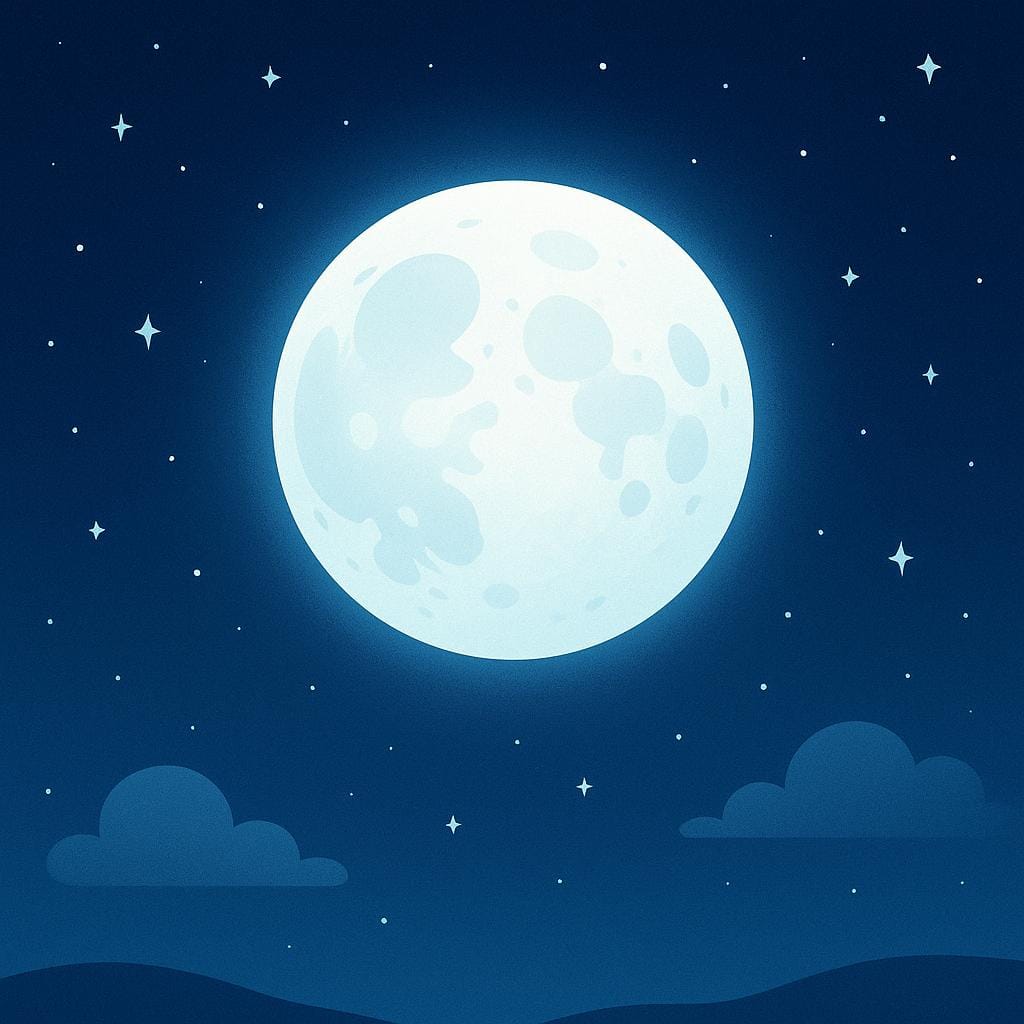
The most common Spanish word for “moon” is “luna” — use 'luna' when referring to the Moon as the celestial body visible in Earth's night sky, or any natural satellite of a planet in a general context.
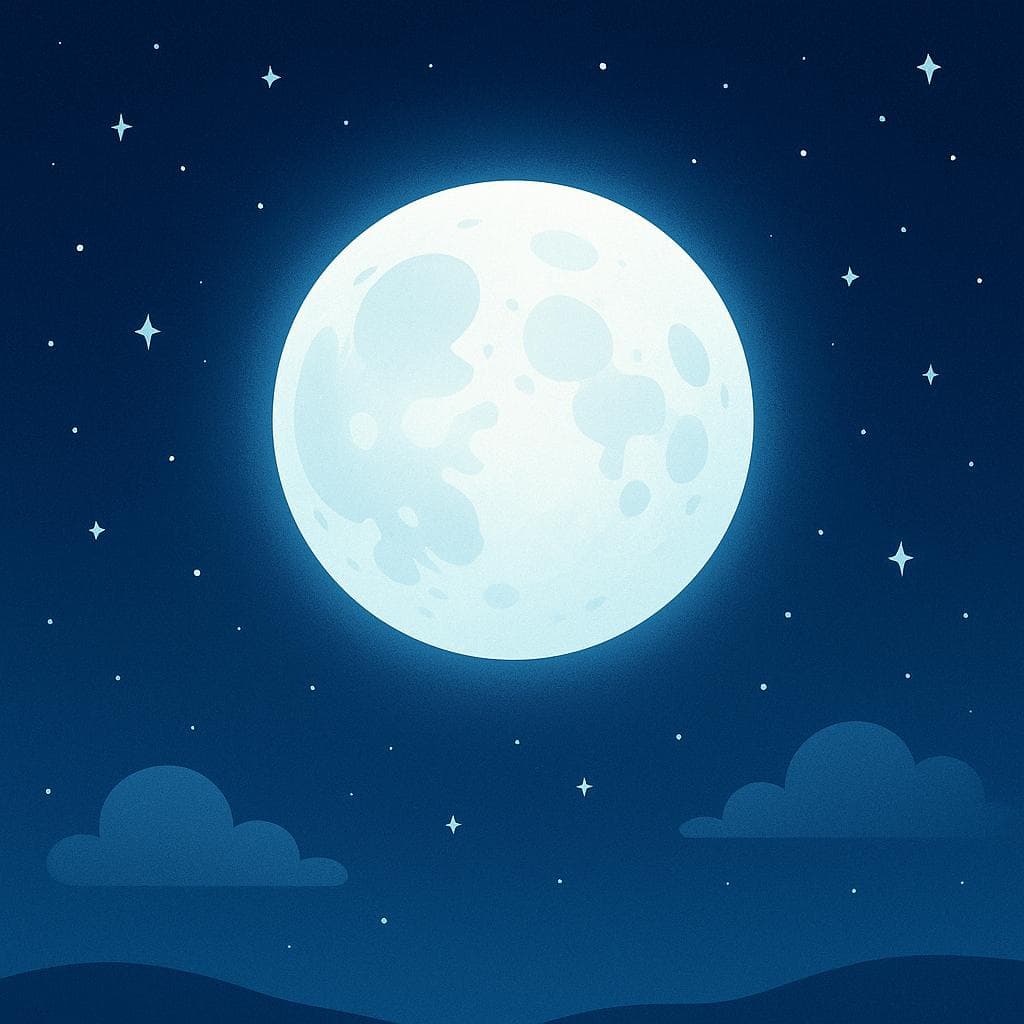
luna
loo-nahˈluna
Examples
La luna está llena esta noche.
The moon is full tonight.
La luna está muy brillante esta noche.
The moon is very bright tonight.
Anoche fuimos a la playa a la luz de la luna.
Last night we went to the beach in the moonlight.
El primer hombre en la luna fue Neil Armstrong.
The first man on the moon was Neil Armstrong.
Always a 'La' Word
In Spanish, all things are either 'el' words or 'la' words. 'Luna' is always a 'la' word. So, you always say 'la luna' (the moon) or 'una luna' (a moon).
Using 'El' Instead of 'La'
Mistake: “Vi el luna anoche.”
Correction: Vi la luna anoche. Remember that 'luna' is a 'la' word because it ends in '-a'.
luna
loo-nahˈluna
Examples
Titán es una luna de Saturno.
Titan is a moon of Saturn.
La luna está muy brillante esta noche.
The moon is very bright tonight.
Anoche fuimos a la playa a la luz de la luna.
Last night we went to the beach in the moonlight.
El primer hombre en la luna fue Neil Armstrong.
The first man on the moon was Neil Armstrong.
Always a 'La' Word
In Spanish, all things are either 'el' words or 'la' words. 'Luna' is always a 'la' word. So, you always say 'la luna' (the moon) or 'una luna' (a moon).
Using 'El' Instead of 'La'
Mistake: “Vi el luna anoche.”
Correction: Vi la luna anoche. Remember that 'luna' is a 'la' word because it ends in '-a'.
satélite
Examples
La Luna es el único satélite natural de la Tierra.
The Moon is Earth's only natural satellite.
Luna vs. Satélite
Related Translations
Learn Spanish with Inklingo
Interactive stories, personalized learning, and more.