How to Say "mirror" in Spanish
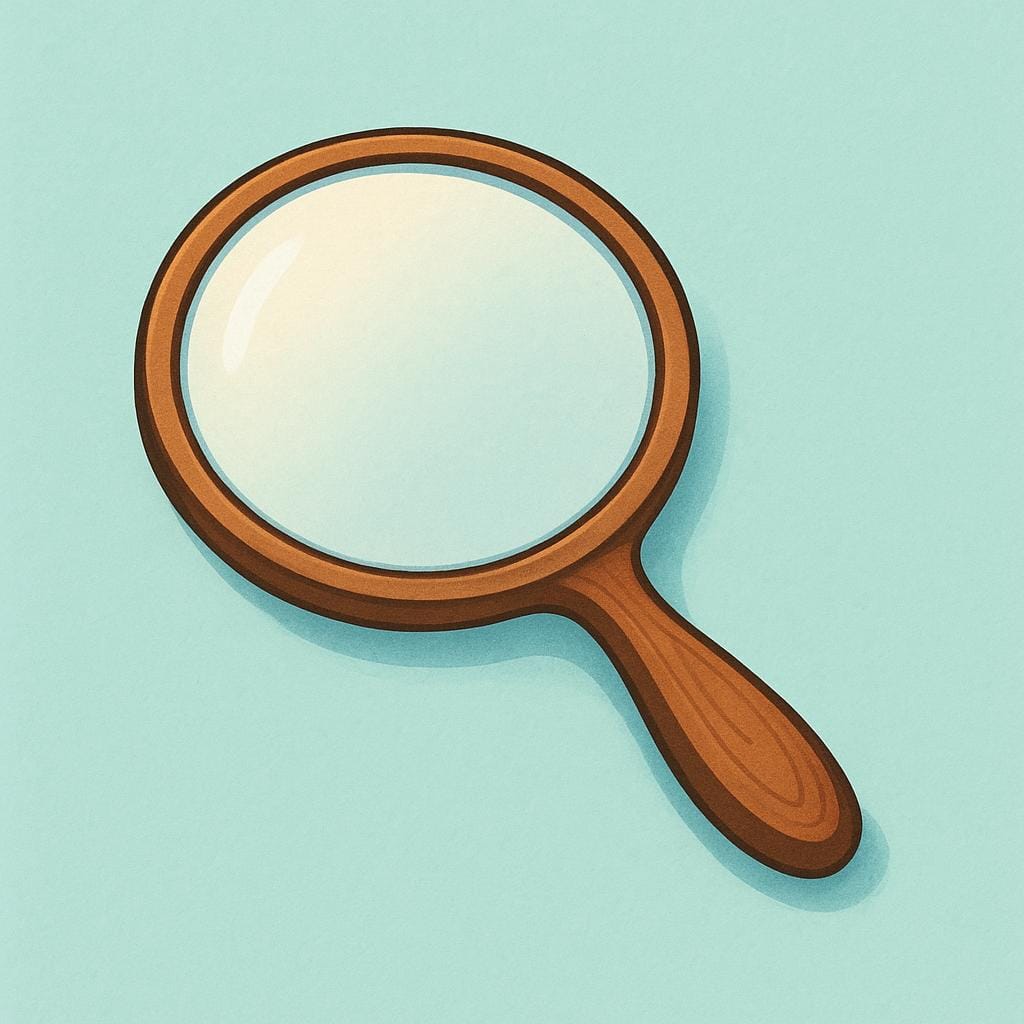
The most common Spanish word for “mirror” is “espejo” — use 'espejo' for any general reflective surface, like the one you use to check your appearance or see yourself in a room.


espejo
es-PEH-hoesˈpe.xo
Examples
Me peiné frente al espejo del baño.
I brushed my hair in front of the bathroom mirror.
Ten cuidado, rompiste el espejo de la pared.
Be careful, you broke the wall mirror.
Ella siempre lleva un pequeño espejo en su bolso.
She always carries a small mirror in her purse.
Masculine Noun Rule
'Espejo' is always masculine, so you must use 'el' (the) or 'un' (a) before it: 'el espejo' or 'un espejo'.
Confusing Gender
Mistake: “La espejo (using the feminine article)”
Correction: El espejo (it is masculine, ending in -o is a good clue). Say 'El espejo está limpio.'
luna
loo-nahˈluna

Examples
Tengo una grieta en la luna delantera del coche.
I have a crack in the car's front windshield.
Un ladrón rompió la luna del escaparate para robar.
A thief broke the shop window to steal.
Confusing 'espejo' and 'luna'
Related Translations
Learn Spanish with Inklingo
Interactive stories, personalized learning, and more.