How to Say "my lord" in Spanish
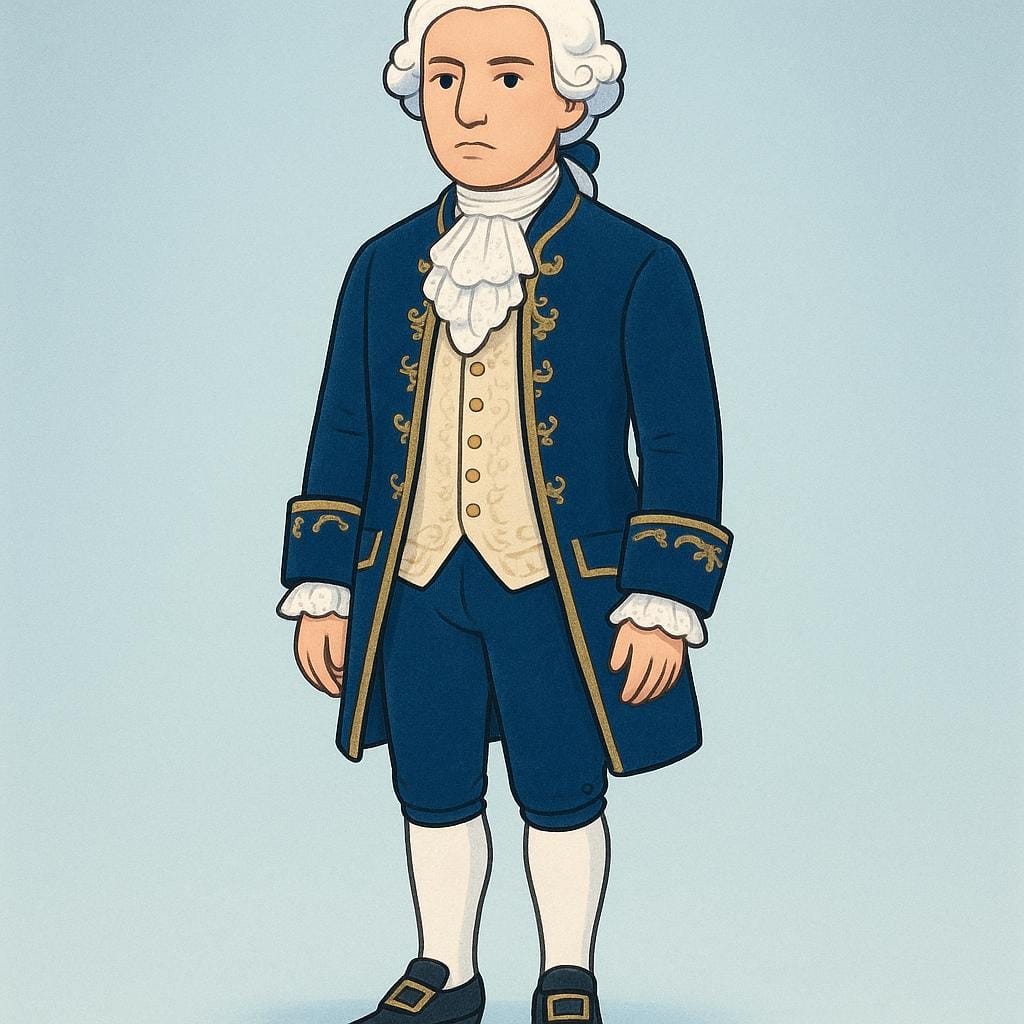
The most common Spanish word for “my lord” is “milord” — use 'milord' specifically when addressing an English nobleman, typically in historical or formal settings.
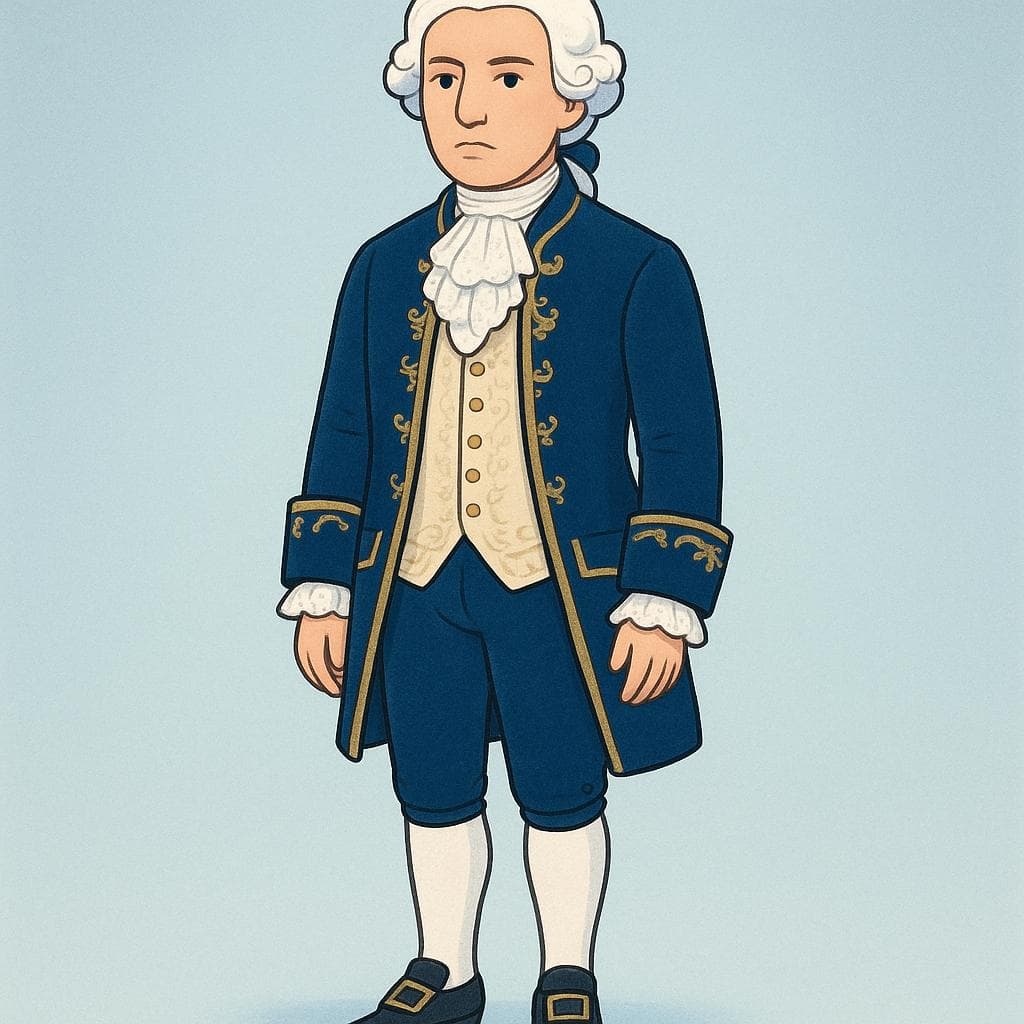
milord
mee-LOHRDmiˈloɾd
Examples
El mayordomo se inclinó profundamente y dijo: 'Bienvenido, milord'.
The butler bowed deeply and said, 'Welcome, my lord.'
Las novelas históricas a menudo describen a los viajeros británicos como 'milords' ricos y excéntricos.
Historical novels often describe British travelers as rich and eccentric 'milords'.
Parece que el nuevo vecino es un milord: siempre viste de tweed y bebe té a las cinco.
It seems the new neighbor is a milord: he always wears tweed and drinks tea at five.
A Borrowed Word
This word is a direct borrowing from English ('my lord'). Because of this, it often keeps its original sound and spelling in Spanish.
Using it Generally
Mistake: “Using 'milord' to refer to any important person.”
Correction: Only use 'milord' when specifically referring to a British nobleman or gentleman, usually in a historical or slightly mocking context. It is not a general term of respect in Spanish.
monseñor
Examples
El monseñor saludó a todos después de la iglesia.
The monsignor greeted everyone after church.
Confusing Noble Titles vs. Clergy Titles
Related Translations
Learn Spanish with Inklingo
Interactive stories, personalized learning, and more.