How to Say "myself" in Spanish
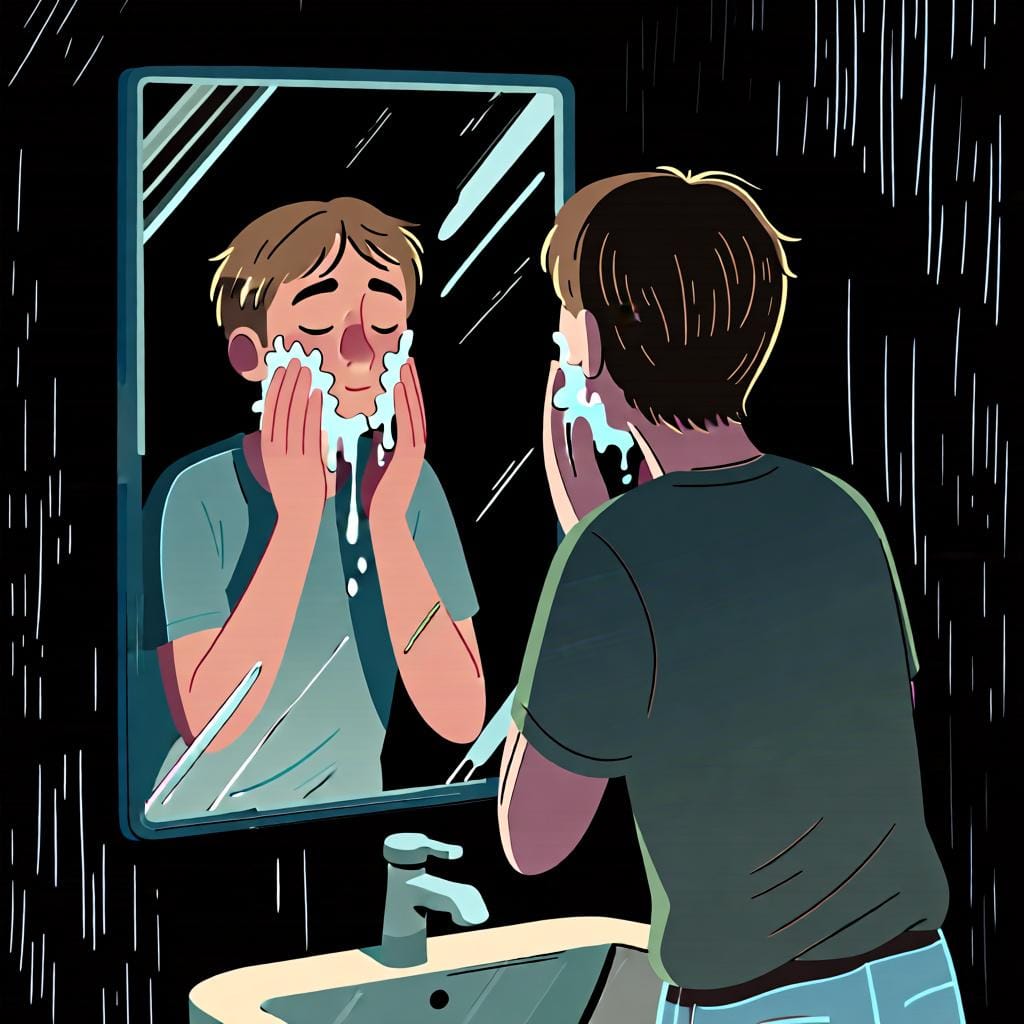
The most common Spanish word for “myself” is “me” — use 'me' when 'myself' refers to the direct or indirect object of the verb, indicating the action is performed on or for oneself.
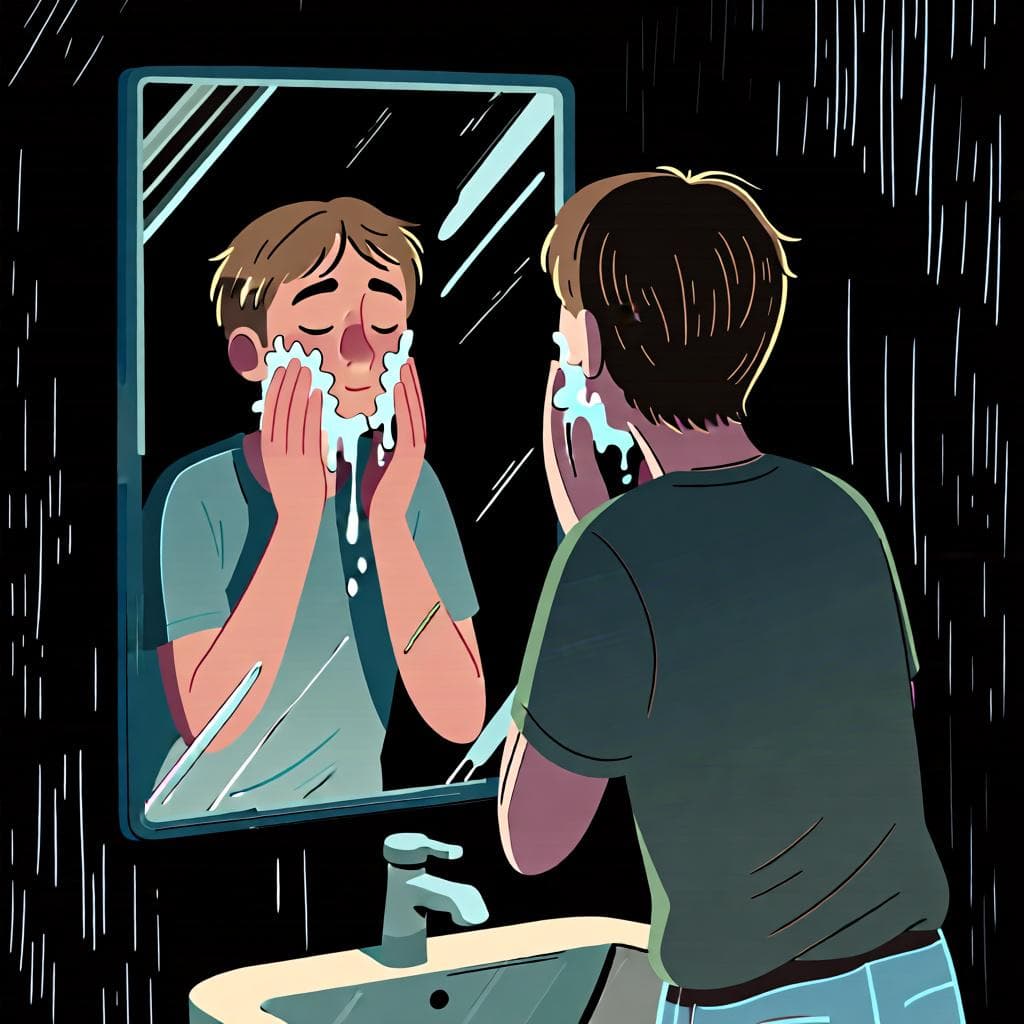
Use 'me' when 'myself' refers to the direct or indirect object of the verb, indicating the action is performed on or for oneself.
Learn more →
Use 'misma' (or 'mismo' for males) as an intensifier to emphasize that the subject performed the action personally, meaning 'myself', 'himself', etc.
Learn more →mehme
Examples
Me lavo las manos antes de comer.
I wash my hands before eating.
Me levanto a las siete.
I get (myself) up at seven.
Me ducho todos los días.
I shower (myself) every day.
Siempre me olvido de las llaves.
I always forget (myself) the keys.
Daily Routine Verbs
Many verbs for daily routines use 'me'. In the dictionary, they end in '-se' (like 'levantarse', 'ducharse'). When you use them for 'I', you change '-se' to 'me' and put it before the verb.
Forgetting 'me'
Mistake: “Saying 'Lavo las manos' when you mean you're washing your own hands.”
Correction: You must say 'Me lavo las manos' (I wash my hands). Without 'me', it sounds like you're washing someone else's hands.
MEES-mahˈmisma

Examples
La profesora misma me felicitó por mi trabajo.
The teacher herself congratulated me on my work.
Yo misma voy a arreglarlo.
I myself am going to fix it.
La directora misma nos dio la bienvenida.
The director herself welcomed us.
¿Estás segura de que tú misma lo cerraste?
Are you sure that you yourself closed it?
Adding Emphasis to 'Who'
Use misma right after a feminine noun or pronoun (like 'ella', 'la doctora', or 'Ana') to stress that she did it, not someone else. It works just like adding '-self' in English.
Confusing Emphasis with Reflexive Actions
Mistake: “Ella se cocinó la cena. (This can sound like she cooked herself!)”
Correction: Ella misma cocinó la cena. Use `misma` for emphasis ('she herself cooked'). Use words like `se` for actions someone does *to their own body*, like `ella se peina` (she combs her hair).
Pronoun vs. Intensifier
The most common mistake is using 'misma' when 'me' is needed as a reflexive pronoun. Remember that 'me' is used when the subject is also the object of the action, while 'misma' adds emphasis to the subject performing the action.
Related Translations
Learn Spanish with Inklingo
Interactive stories, personalized learning, and more.