How to Say "narcotic" in Spanish
The most common Spanish word for “narcotic” is “droga” — use 'droga' when referring to drugs in a general, legal, or police context, often implying illegal substances.

droga
DROH-gahˈdɾoɣa

Examples
La policía incautó tres kilos de droga en el aeropuerto.
The police seized three kilos of drugs at the airport.
El consumo de droga puede arruinar vidas.
Drug use can ruin lives.
Mi serie favorita es una droga; no puedo parar de verla.
My favorite series is like a drug; I can't stop watching it.
Gender and Number
'Droga' is a feminine noun, so you always use feminine articles: 'la droga' (the drug) or 'las drogas' (the drugs).
narcótico
Examples
El médico recetó un narcótico para calmar el dolor después de la operación.
The doctor prescribed a narcotic to soothe the pain after the surgery.
narcótico
Examples
Algunas plantas tienen propiedades narcóticas muy fuertes.
Some plants have very strong narcotic properties.
opio
OH-pyohˈopjo
Examples
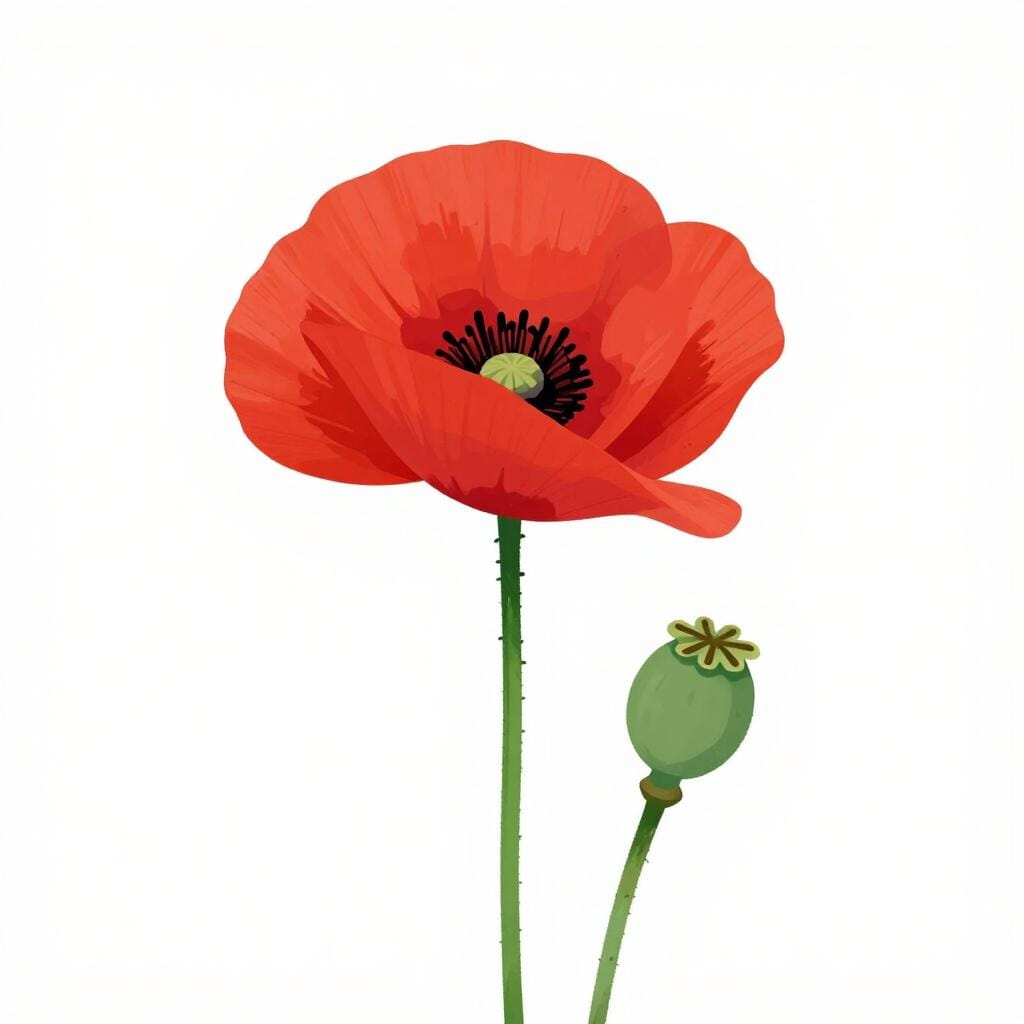
La amapola es la planta de donde se saca el opio.
The poppy is the plant from which opium is extracted.
Estudiamos las Guerras del Opio en la clase de historia.
We studied the Opium Wars in history class.
Karl Marx dijo que la religión es el opio del pueblo.
Karl Marx said that religion is the opium of the people.
Always Masculine
Even though it refers to a substance, 'opio' is always a masculine noun ('el opio').
The 'io' combination
The 'i' and 'o' blend into one syllable, making it sound like 'pyoh' rather than 'pee-oh'.
Confusing Opio with Amapola
Mistake: “Using 'opio' to describe the flower in a garden.”
Correction: Use 'amapola' for the flower and 'opio' only for the substance extracted from it.
Confusing General Drugs with Specific Narcotics
Related Translations
Learn Spanish with Inklingo
Interactive stories, personalized learning, and more.