How to Say "navy" in Spanish
The most common Spanish word for “navy” is “armada” — use 'armada' when referring specifically to the naval branch of a country's military forces.

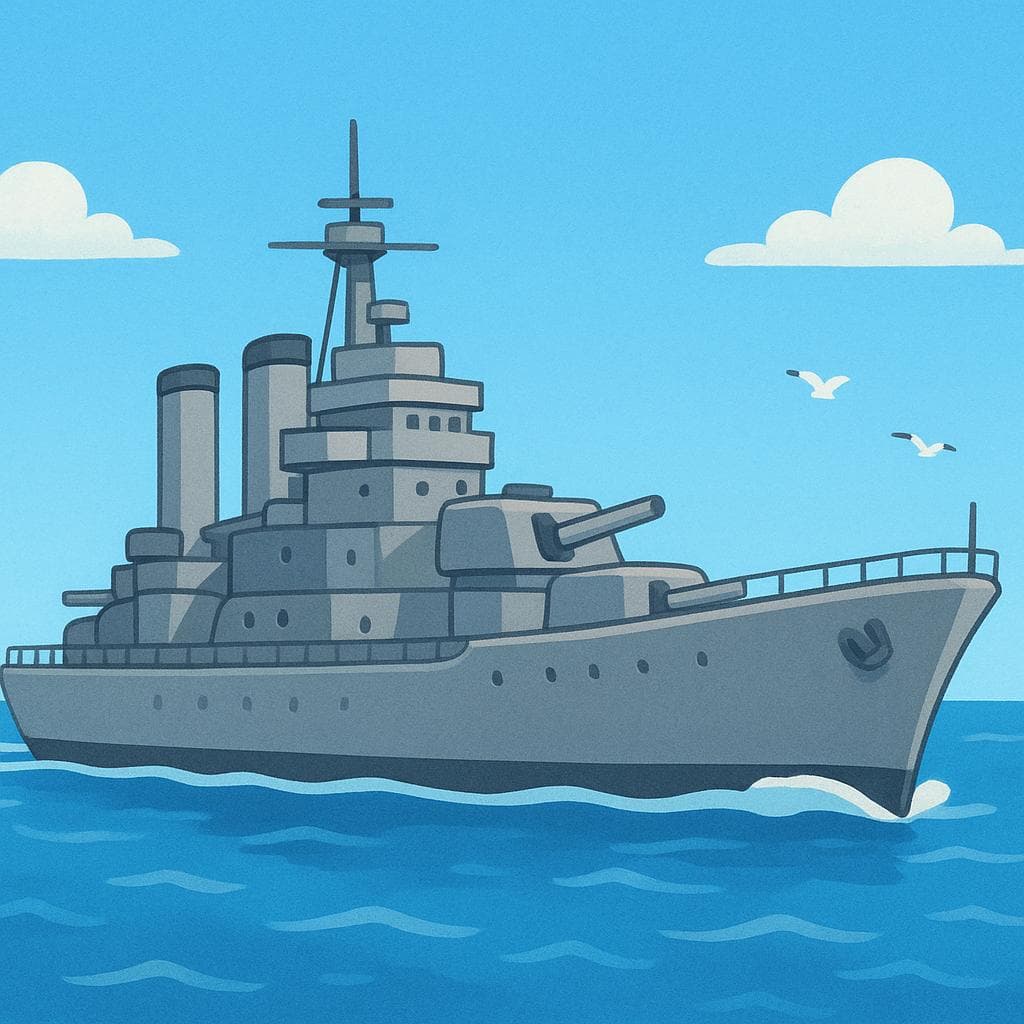


armada
ar-MAH-dahaɾˈmaða

Examples
La Armada Española es una de las más antiguas del mundo.
The Spanish Navy is one of the oldest in the world.
La Armada Española tiene una larga historia marítima.
The Spanish Navy has a long maritime history.
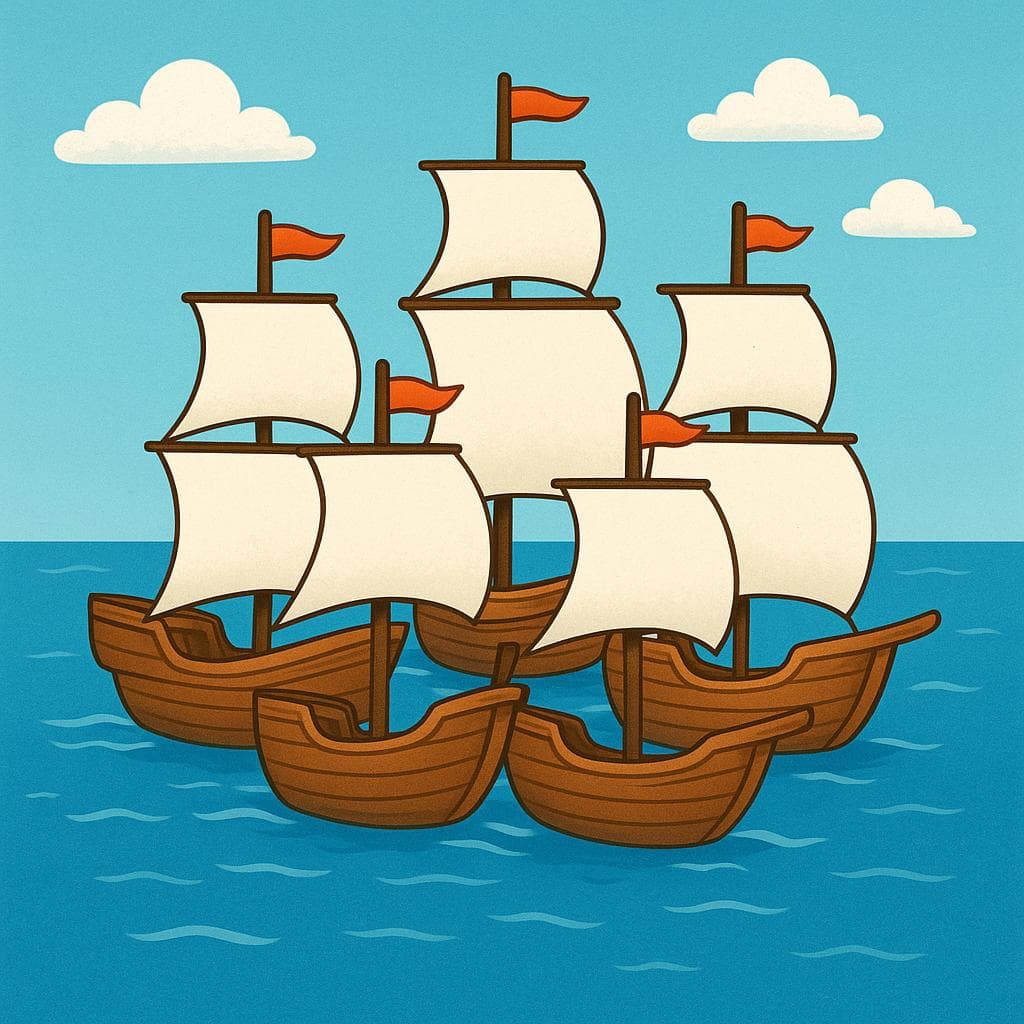
La famosa Armada Invencible fue derrotada en 1588.
The famous Invincible Armada (fleet) was defeated in 1588.
Enviaron una pequeña armada para proteger la costa.
They sent a small fleet to protect the coast.
Always Feminine
Even though it refers to a large military group, 'armada' is always a feminine noun and uses feminine articles (la armada).
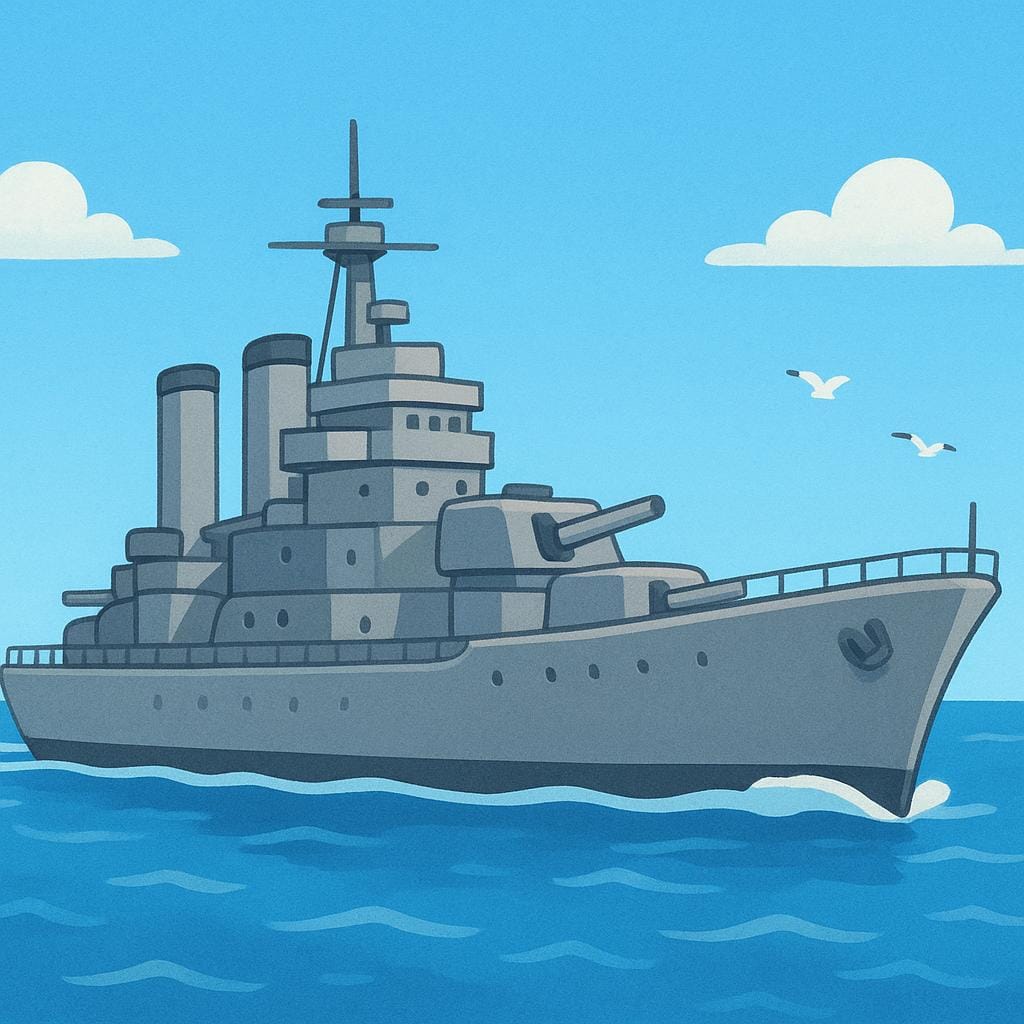
marina
mah-REE-nahmaˈɾina
Examples
Mi hermano sirve en la marina de su país.
My brother serves in his country's navy.
El presidente visitó la base de la marina ayer.
The president visited the navy base yesterday.
Mi abuelo sirvió en la marina durante la guerra.
My grandfather served in the navy during the war.
Always Feminine
Even though it refers to a large organization, 'marina' is always a feminine noun and uses the article 'la'.
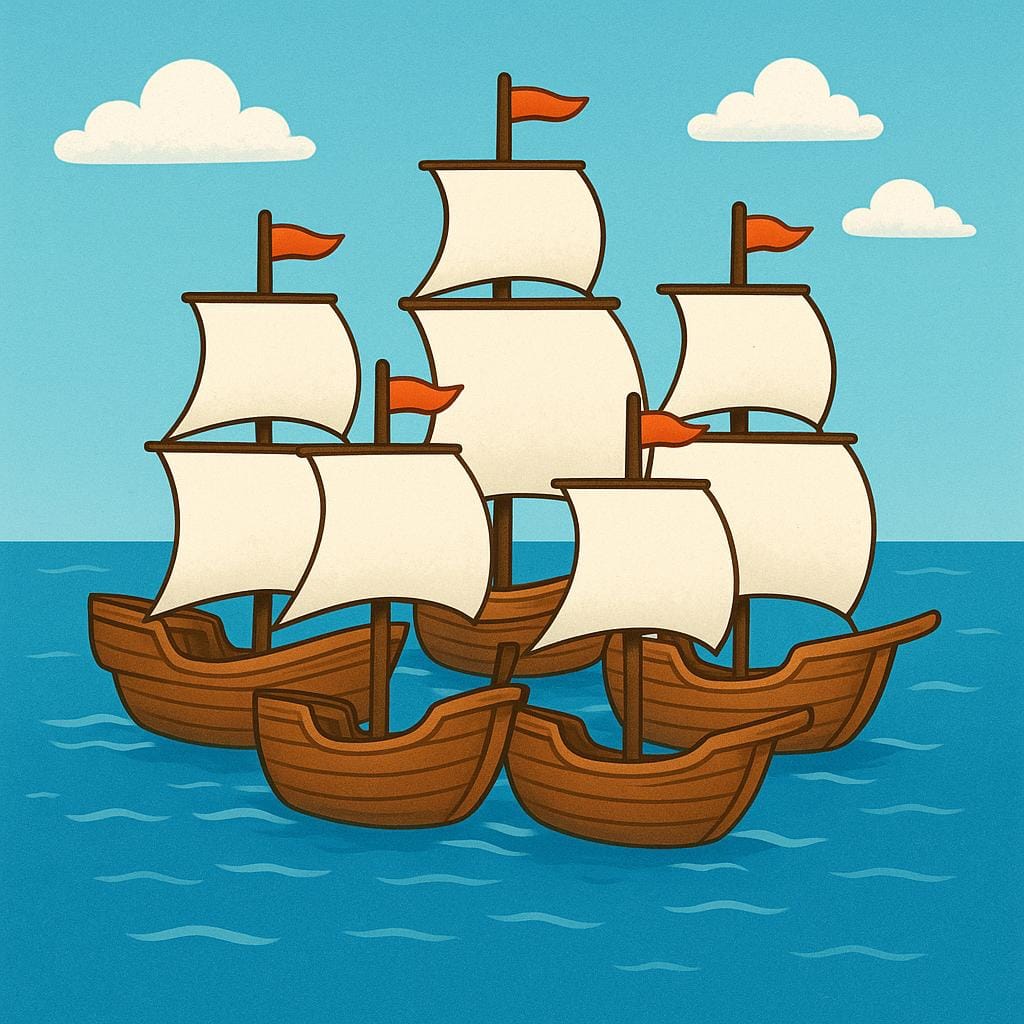
flota
flo-taˈflo.ta
Examples
Una flota de submarinos se desplegó en aguas internacionales.
A navy fleet of submarines was deployed in international waters.
La empresa de taxis renovó toda su flota de vehículos.
The taxi company renewed its entire fleet of vehicles.
La flota mercante lleva bienes esenciales a todo el mundo.
The merchant fleet carries essential goods all over the world.
Gender Check
Remember that 'flota' is feminine, so you must use 'la' or 'una' before it.
azul
ah-SOOL (Latin America) / ah-THOOL (Spain)aˈθul

Examples
Llevaba un jersey azul marino.
He was wearing a navy blue sweater.
El mar Caribe es de un color azul turquesa impresionante.
The Caribbean Sea is an impressive turquoise blue color.
Necesito comprar una camisa azul para la fiesta de mañana.
I need to buy a blue shirt for tomorrow's party.
Las flores azules de mi jardín son las favoritas de mi madre.
The blue flowers in my garden are my mother's favorite.
Gender is Invariable!
Unlike most Spanish adjectives, 'azul' looks exactly the same whether describing a masculine word (el coche azul) or a feminine word (la casa azul).
Making it Plural
To describe more than one item, you add -es to make it 'azules' (e.g., Las luces azules están encendidas).
Treating it like a regular adjective
Mistake: “El mar azula. / La bandera azulá.”
Correction: The adjective 'azul' never changes its ending to -o or -a to match the noun's gender. It is always 'azul': 'El coche azul' and 'La mesa azul.'
azules
ah-ZOO-lessaˈθules

Examples
Sus ojos son azules como el océano.
His eyes are navy blue like the ocean.
Las flores son azules y rojas.
The flowers are blue and red.
Necesito unos pantalones azules para el trabajo.
I need some blue pants for work.
El cielo y el mar, ambos son azules en verano.
The sky and the sea, both are blue in summer.
Making it Plural
Since the singular word 'azul' ends in the letter 'l' (a consonant), you must add '-es' to make it plural, resulting in 'azules'.
Adjective Agreement
Because 'azules' is plural, it must always describe a plural noun, whether that noun is masculine ('los zapatos azules') or feminine ('las camisas azules').
Incorrect Pluralization
Mistake: “Las casas azul.”
Correction: Las casas azules. (You must match the number of the noun.)
Confusing Military Navy with the Color Navy Blue
Related Translations
Learn Spanish with Inklingo
Interactive stories, personalized learning, and more.