How to Say "night" in Spanish
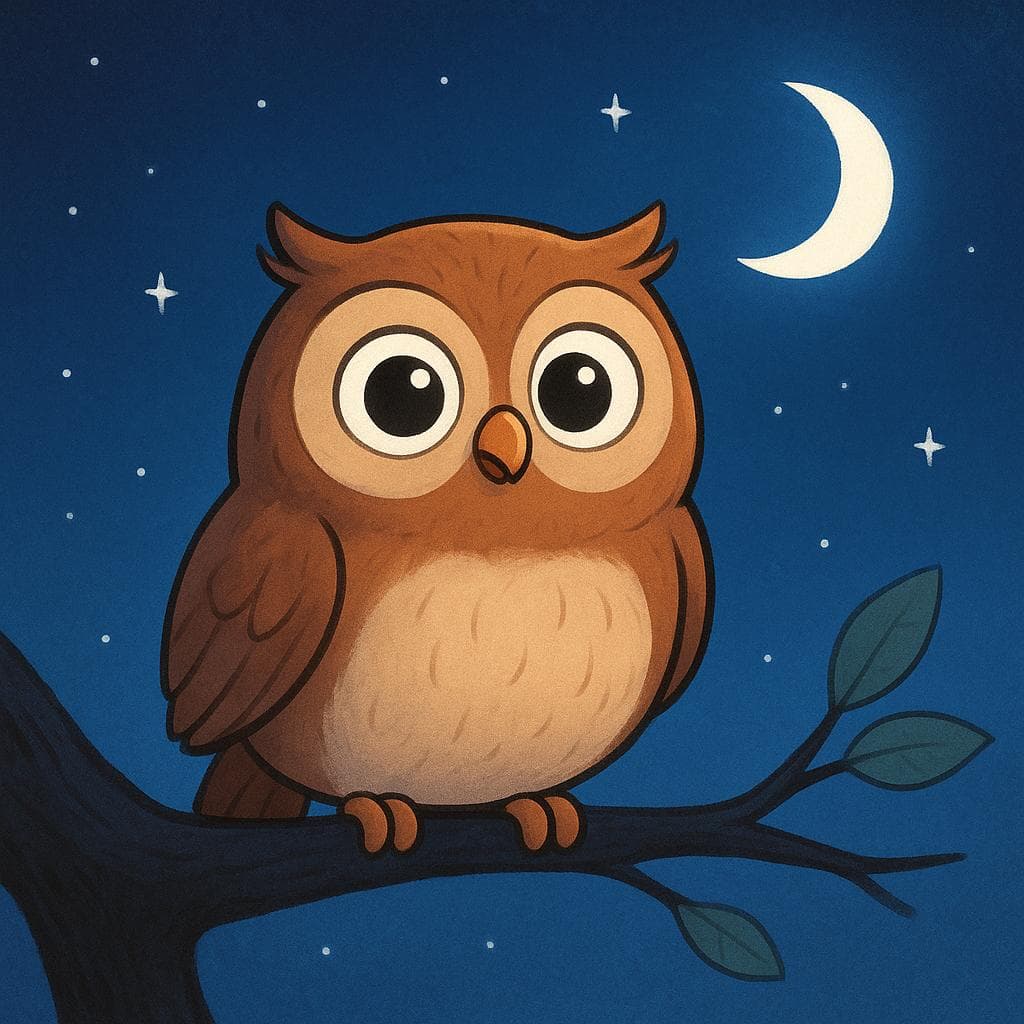
The most common Spanish word for “night” is “noche” — use 'noche' when referring to the period of darkness between sunset and sunrise as a time of day.

noche
NO-chehˈnot͡ʃe

Examples
Me gusta mirar las estrellas por la noche.
I like to look at the stars at night.
¡Buenas noches! Que duermas bien.
Good night! Sleep well.
La fiesta es el sábado por la noche.
The party is on Saturday night.
It's Feminine: 'La Noche'
Even though 'día' (day) ends in -a and is masculine, 'noche' is feminine. Always use 'la noche' or 'una noche'.
Using 'Por' vs. 'De'
'Por la noche' means 'at night' in a general sense. 'De noche' often describes activities done at night, like 'trabajar de noche' (to work by night).
Greeting vs. Leaving
Mistake: “Thinking 'buenas noches' is only for saying goodbye.”
Correction: Use 'buenas noches' both as a greeting in the evening (like 'good evening') and as a farewell (like 'good night').
nocturno
nohk-TOOR-nohnokˈtuɾno
Examples
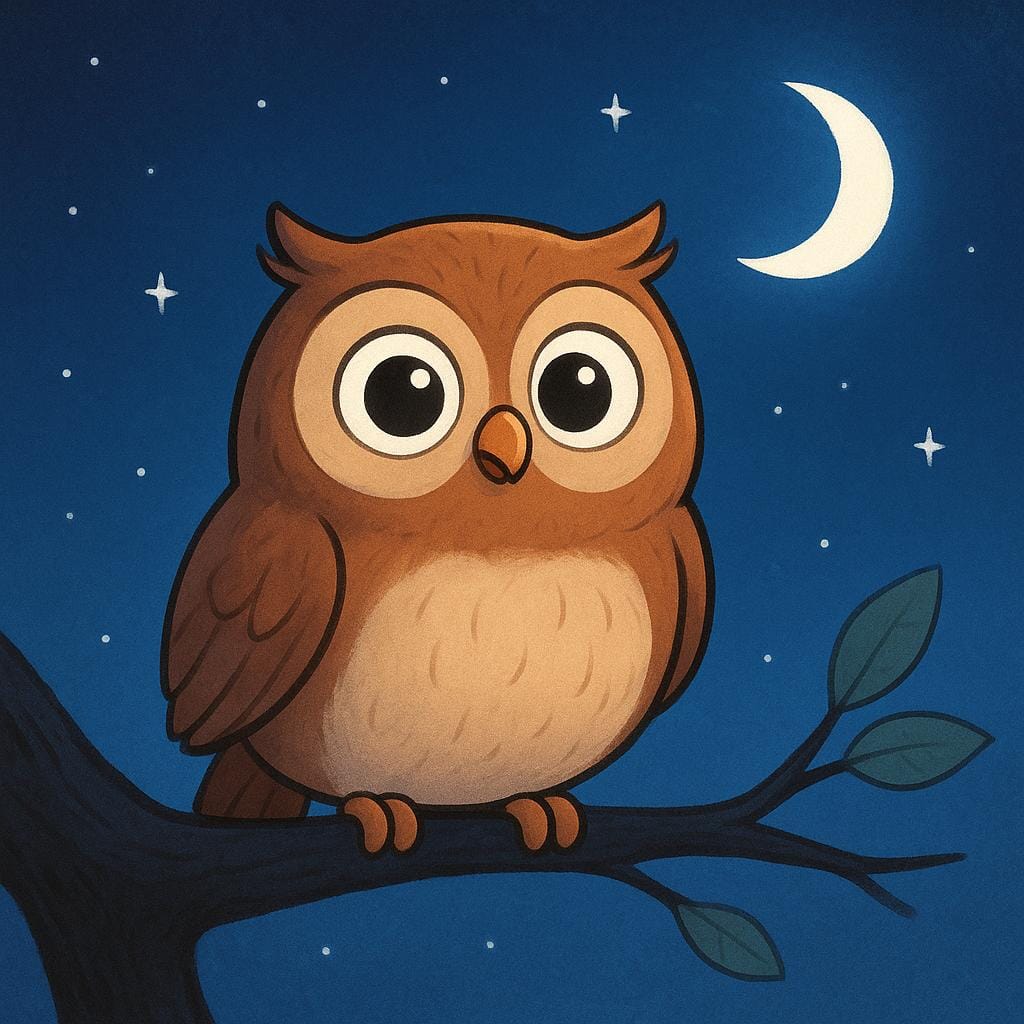
El búho es un animal nocturno; duerme de día.
The owl is a nocturnal animal; it sleeps during the day.
Mi trabajo es en el turno nocturno, de 10 p.m. a 6 a.m.
My job is on the night shift, from 10 p.m. to 6 a.m.
La vida nocturna de Madrid es muy famosa.
Madrid's nightlife is very famous.
Changing Endings
Since 'nocturno' is a descriptive word (adjective), its ending must match the noun it describes. Use '-o' for masculine singular (turno nocturno), '-a' for feminine singular (vida nocturna), '-os' for masculine plural, and '-as' for feminine plural.
Forgetting Agreement
Mistake: “Hago ejercicio en el gimnasio nocturna.”
Correction: Hago ejercicio en el gimnasio nocturno. ('Gimnasio' is masculine, so 'nocturno' must also be masculine.)
Noche vs. Nocturno
Related Translations
Learn Spanish with Inklingo
Interactive stories, personalized learning, and more.