How to Say "nightmares" in Spanish
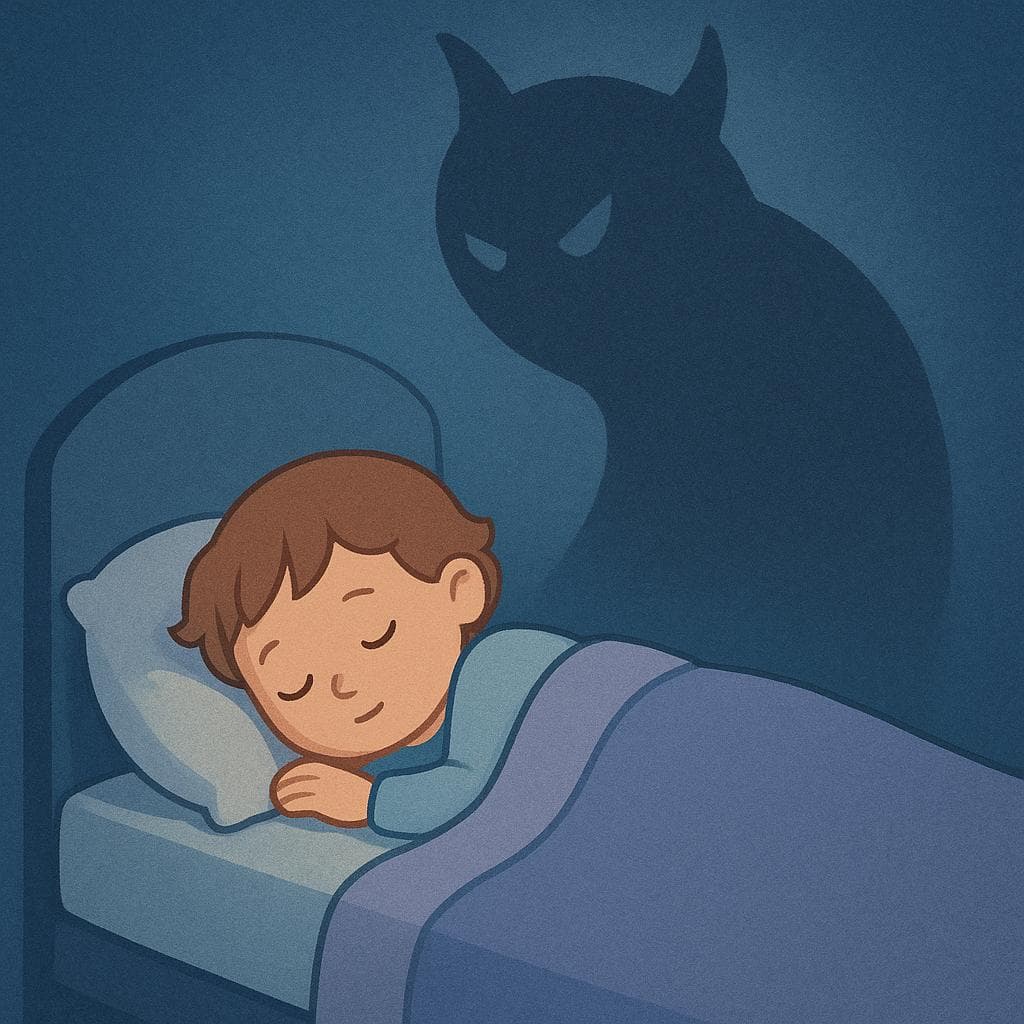
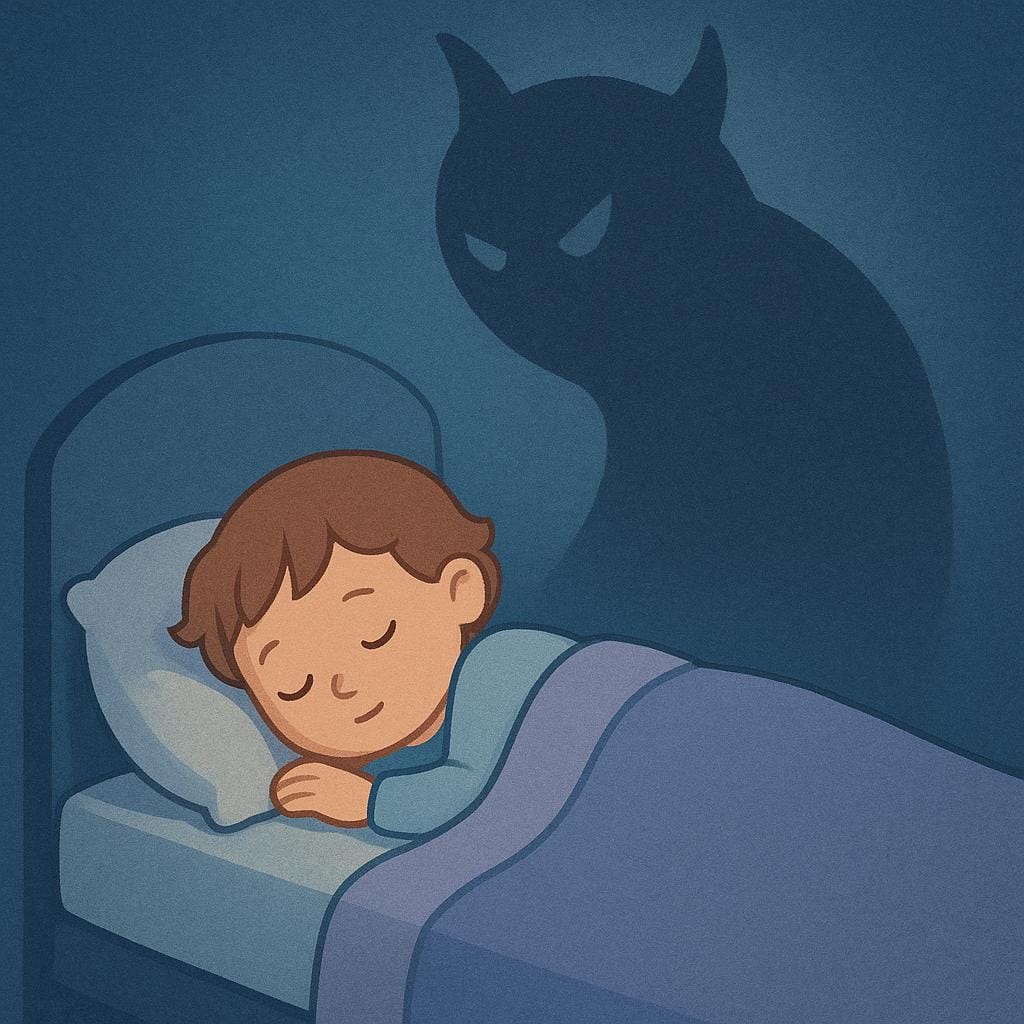
The most common Spanish word for “nightmares” is “pesadillas” — use 'pesadillas' when you specifically want to talk about scary dreams that cause distress.

pesadillas
peh-sah-DEE-yaspesaˈðiʎas
Examples
Tuve pesadillas horribles después de ver esa película de terror.
I had horrible nightmares after watching that horror movie.
Las pesadillas de la guerra lo persiguen todavía.
The nightmares of the war still haunt him.
Arreglar el coche se convirtió en una pesadilla de gastos y demoras.
Fixing the car turned into a nightmare of expenses and delays.
Always Plural
Even when you are talking about just one scary dream experience, Spanish usually uses the plural form 'pesadillas' (nightmares) when talking about the general occurrence of bad dreams.
Using 'sueños malos'
Mistake: “Usar 'sueños malos' para decir 'nightmares'.”
Correction: Although 'sueños malos' literally means 'bad dreams,' the standard and much more common word for 'nightmare' is 'pesadilla' (singular) or 'pesadillas' (plural).
sueños
SWEN-yohsˈsweɲos

Examples
Anoche tuve sueños muy extraños.
Last night I had very strange dreams.
A veces no recuerdo mis sueños por la mañana.
Sometimes I don't remember my dreams in the morning.
Mi hijo tiene malos sueños después de ver películas de miedo.
My son has bad dreams after watching scary movies.
Always Masculine
Even though it ends in -os, 'sueños' is a masculine word. Always use masculine words like 'los', 'mis', or 'unos' with it. For example, 'los sueños' (the dreams).
Confusing 'Pesadillas' with general 'Sueños'
Related Translations
Learn Spanish with Inklingo
Interactive stories, personalized learning, and more.