How to Say "palace" in Spanish
The most common Spanish word for “palace” is “castillo” — use 'castillo' when referring to a large, impressive, and often older residence that might have historical or defensive features, similar to a castle.
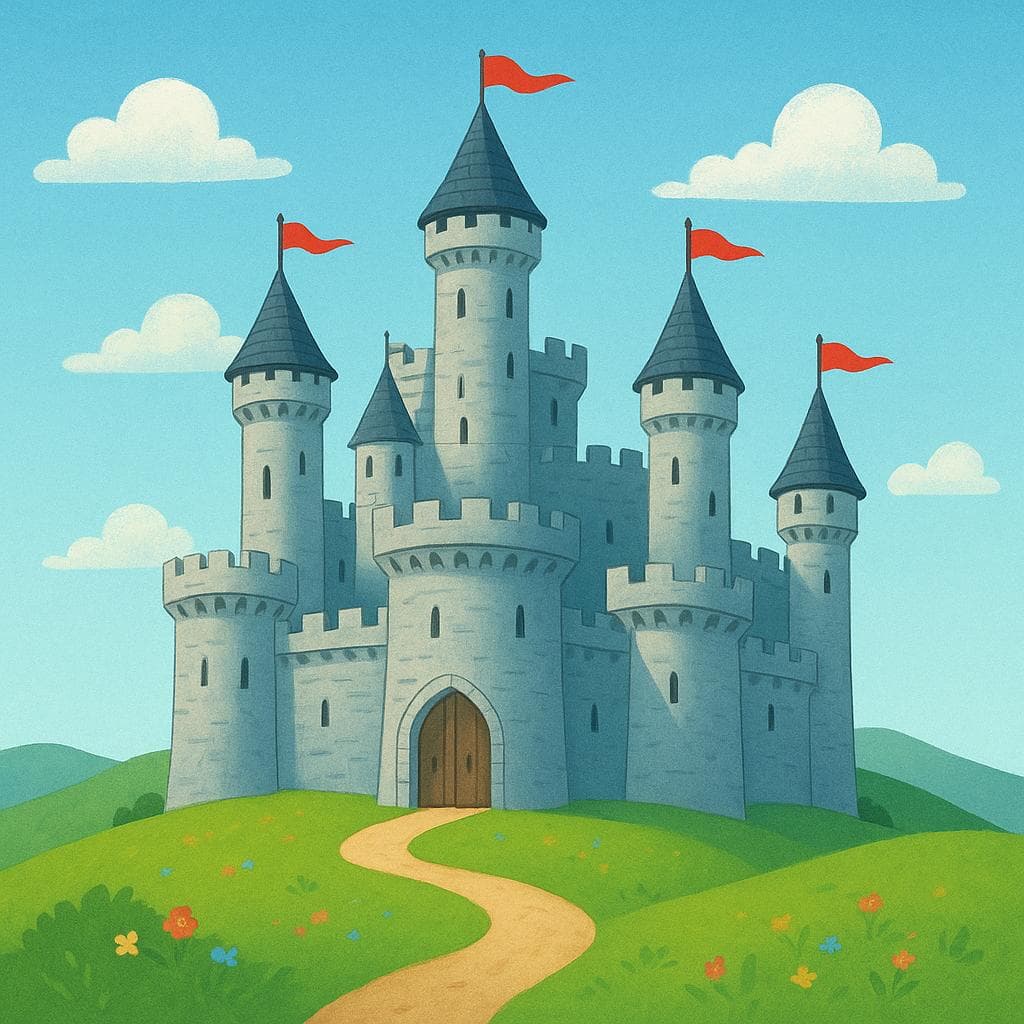
castillo
kas-TEE-yokasˈtiʝo

Examples
El viejo castillo se alza sobre la colina.
The old castle stands on the hill.
Los niños construyeron un castillo de arena en la playa.
The children built a sandcastle on the beach.
Necesitaron meses para restaurar el castillo medieval.
They needed months to restore the medieval castle.
Masculine Gender Rule
Even though many Spanish nouns ending in '-o' are masculine, remember that 'castillo' is always masculine, so use 'el' (the) or 'un' (a) with it.
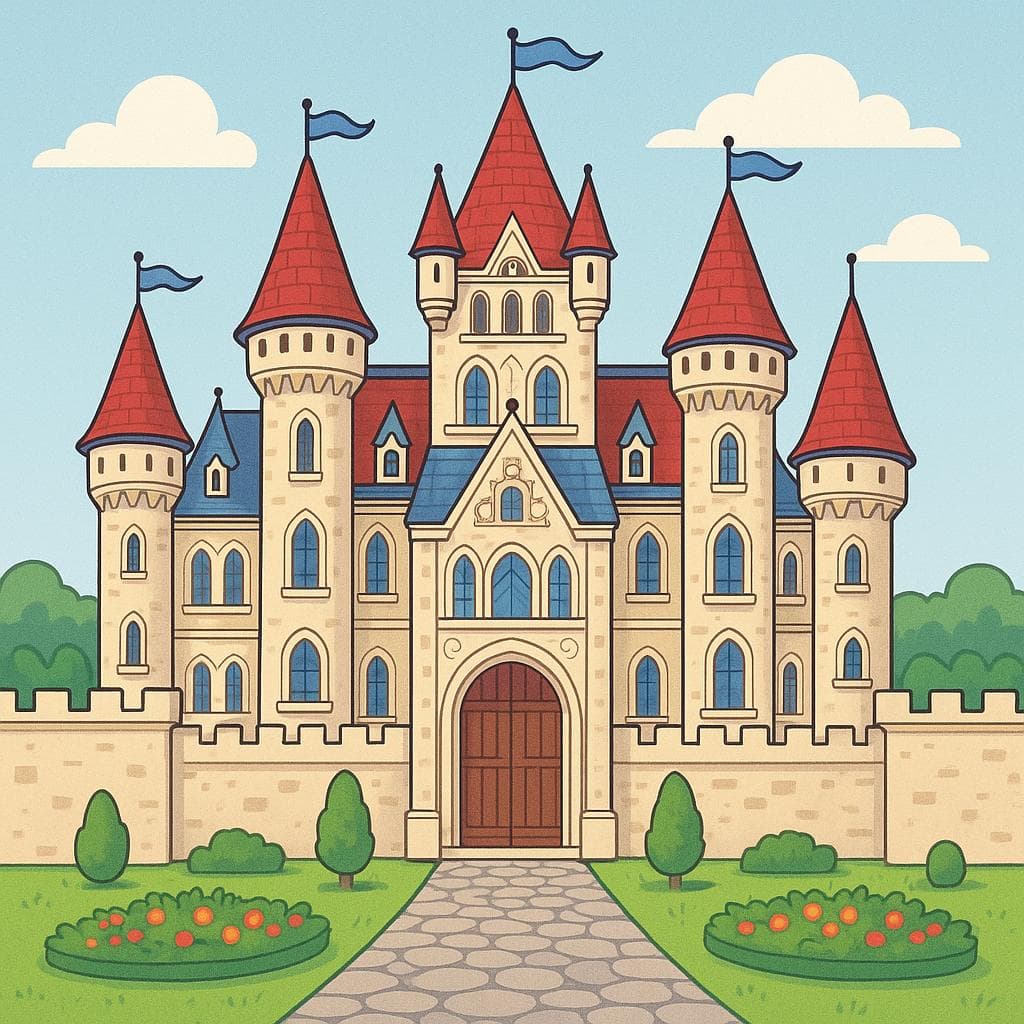
palacio
pah-LAH-see-ohpaˈlaθjo
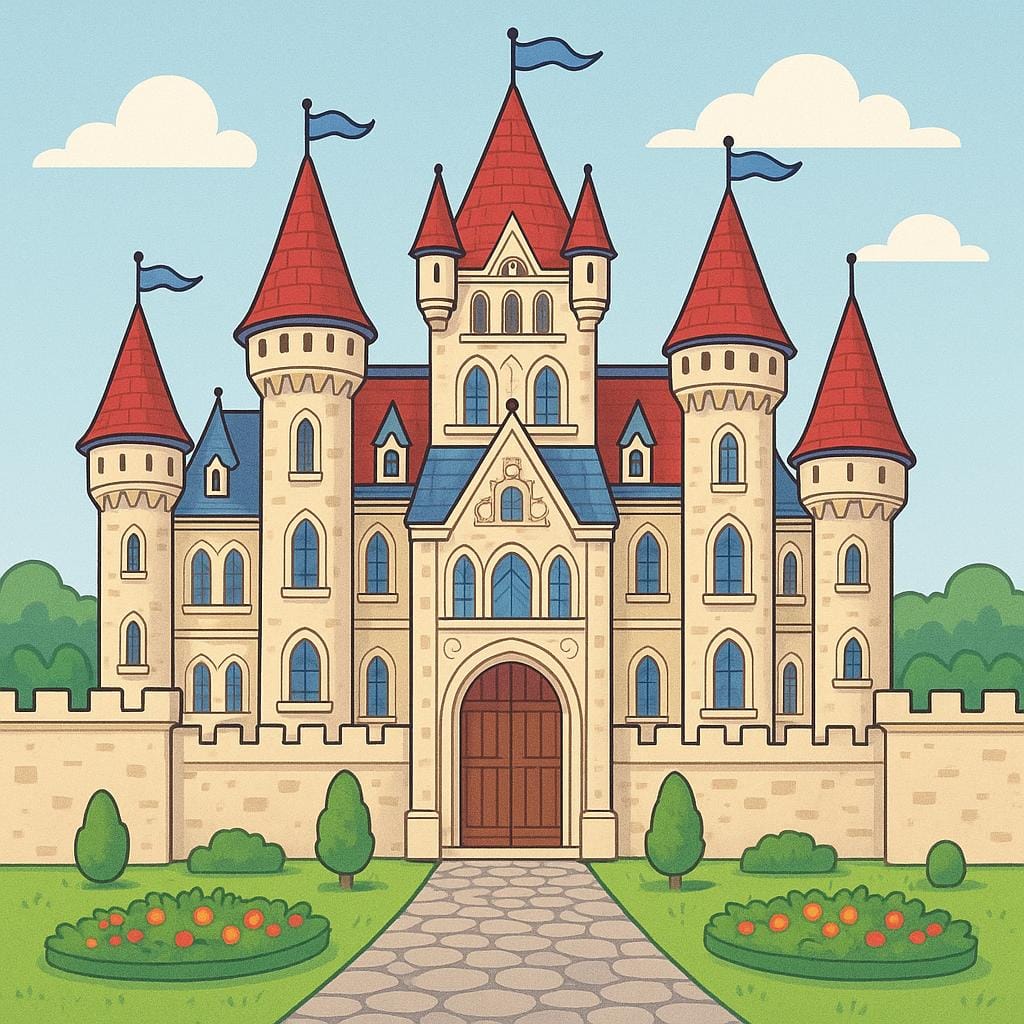
Examples
El presidente trabaja en el palacio de gobierno.
The president works in the government palace (or building).
El Palacio Real de Madrid es una atracción turística popular.
The Royal Palace of Madrid is a popular tourist attraction.
Dicen que la familia construyó un palacio con todo su dinero.
They say the family built a mansion with all their money.
Gender Rule
Remember that 'palacio' is always masculine, so you must use 'el' or 'un' before it: 'el palacio'.
Confusing Gender
Mistake: “La palacio.”
Correction: El palacio. Although many words ending in '-o' are masculine, it's always good to confirm, but this one follows the standard pattern.
Castillo vs. Palacio
Learn Spanish with Inklingo
Interactive stories, personalized learning, and more.