How to Say "castle" in Spanish
The most common Spanish word for “castle” is “castillo” — use 'castillo' for a general historical, fortified building, often a royal residence, that most people envision when they think of a castle.
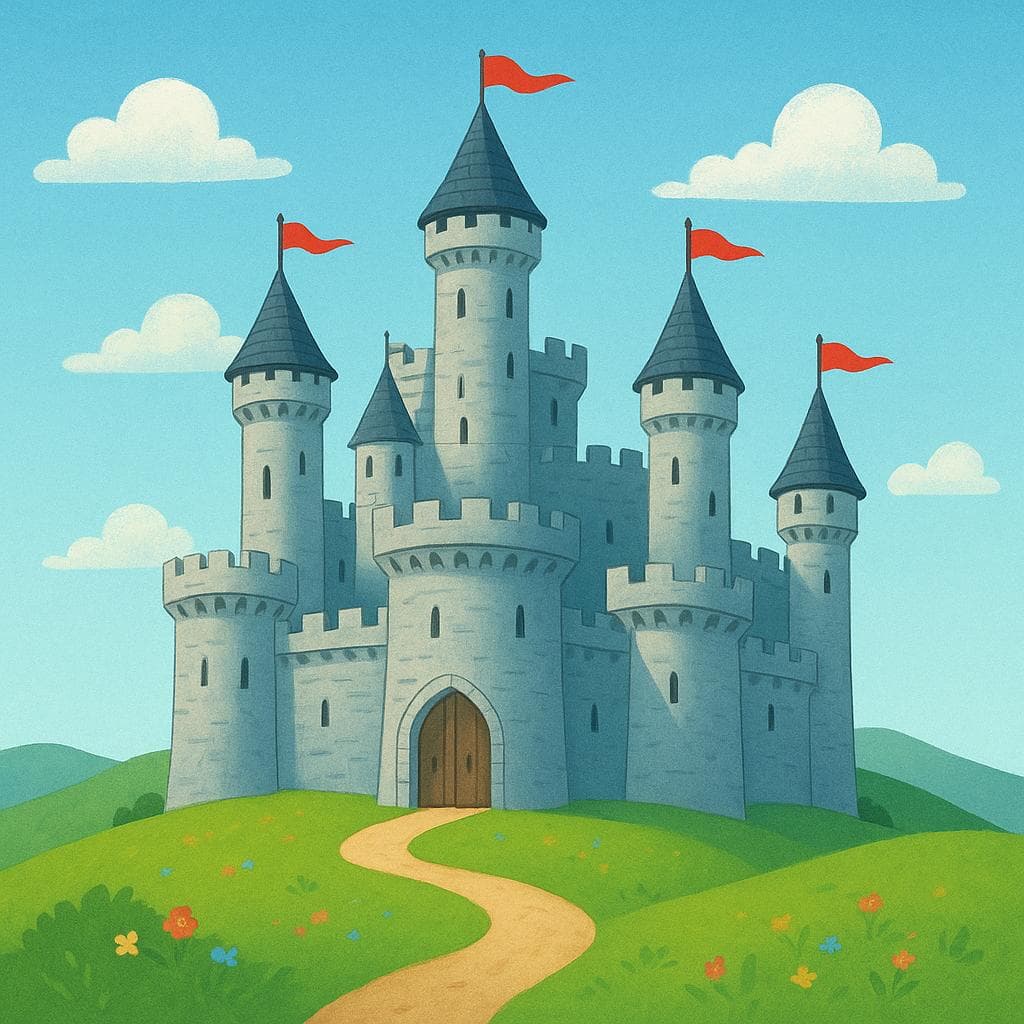
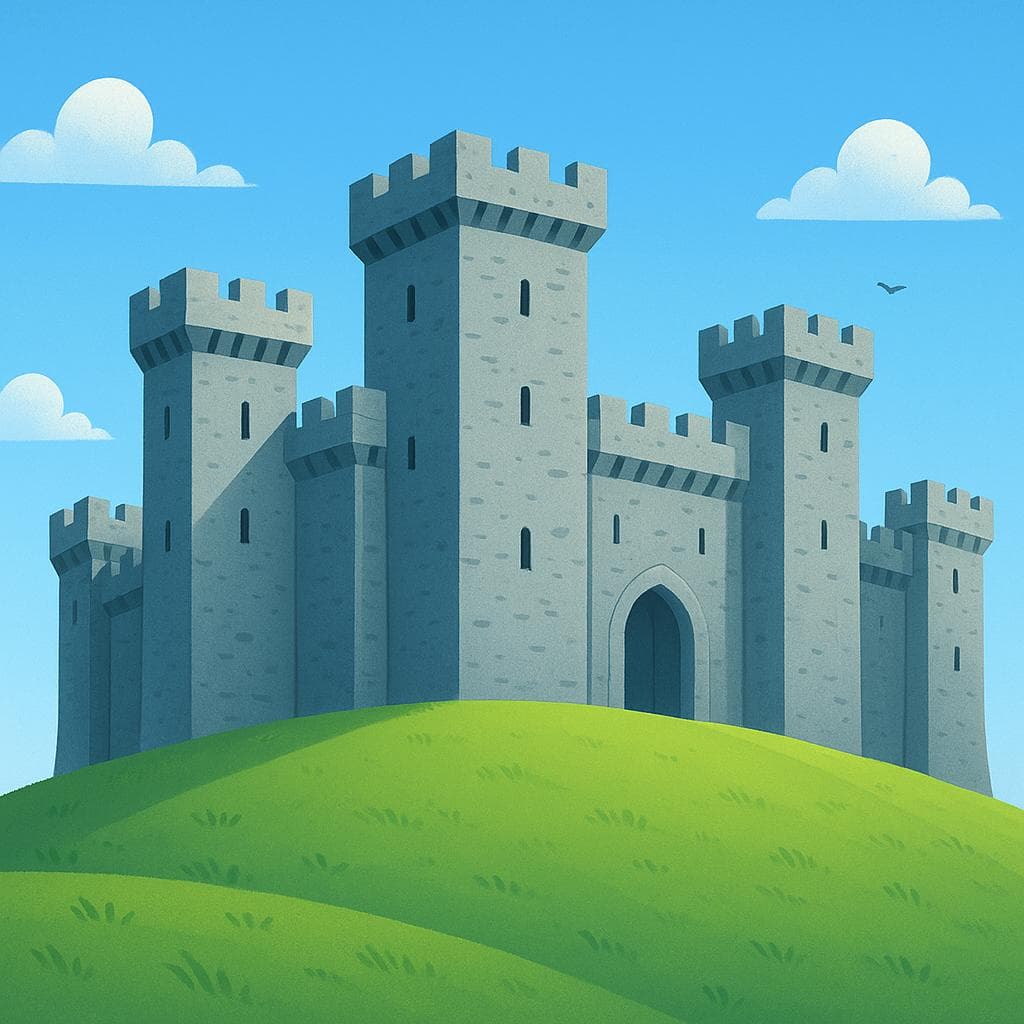
castillo
kas-TEE-yokasˈtiʝo

Examples
El viejo castillo se alza sobre la colina.
The old castle stands on the hill.
Los niños construyeron un castillo de arena en la playa.
The children built a sandcastle on the beach.
Necesitaron meses para restaurar el castillo medieval.
They needed months to restore the medieval castle.
Masculine Gender Rule
Even though many Spanish nouns ending in '-o' are masculine, remember that 'castillo' is always masculine, so use 'el' (the) or 'un' (a) with it.
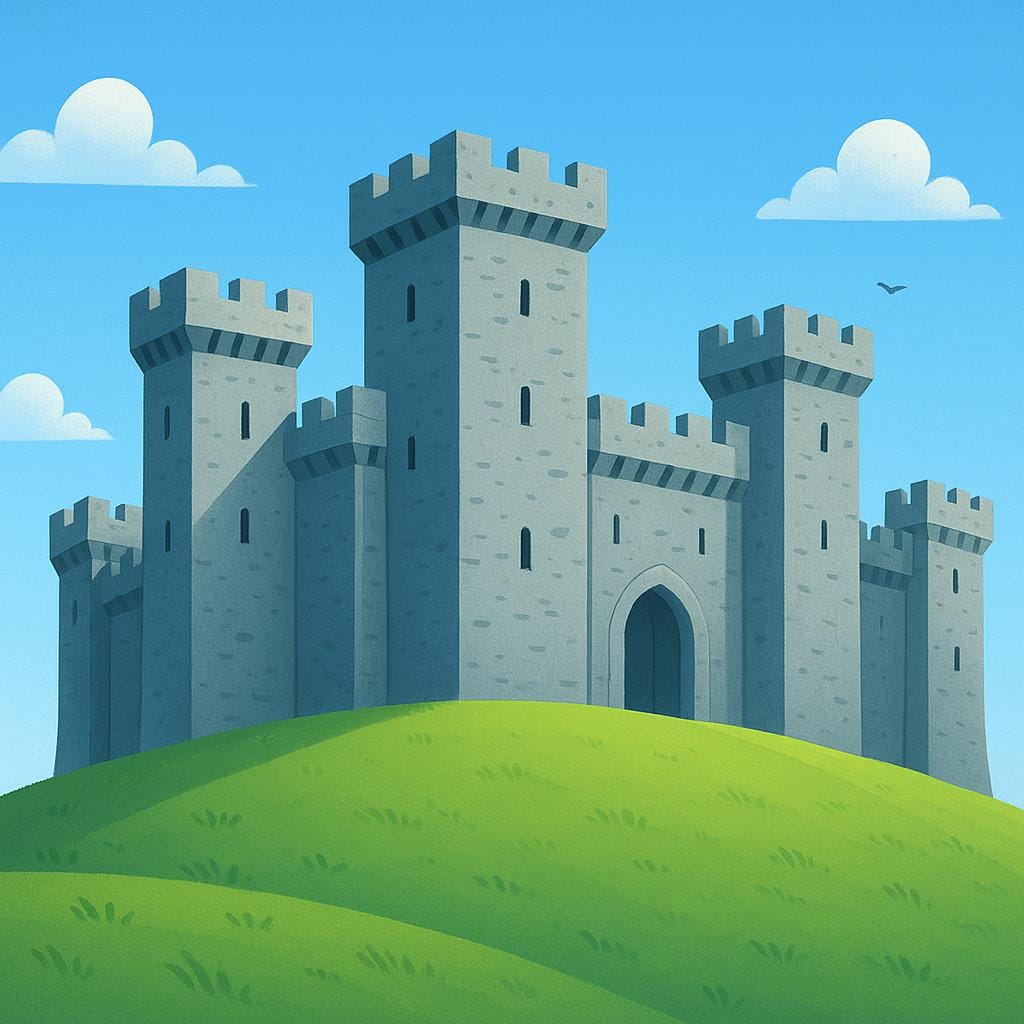
fortaleza
for-tah-LEH-sahfoɾtaˈleθa
Examples
Visitamos la antigua fortaleza que protegía la ciudad del ataque pirata.
We visited the old fortress that protected the city from the pirate attack.
La fortaleza tiene muros de piedra de tres metros de grosor.
The stronghold has stone walls three meters thick.
Always Feminine
Even though this word ends in '-a', it is a feminine noun, so you always use 'la' before it: 'la fortaleza'.
Castillo vs. Fortaleza
Related Translations
Learn Spanish with Inklingo
Interactive stories, personalized learning, and more.