How to Say "permits" in Spanish
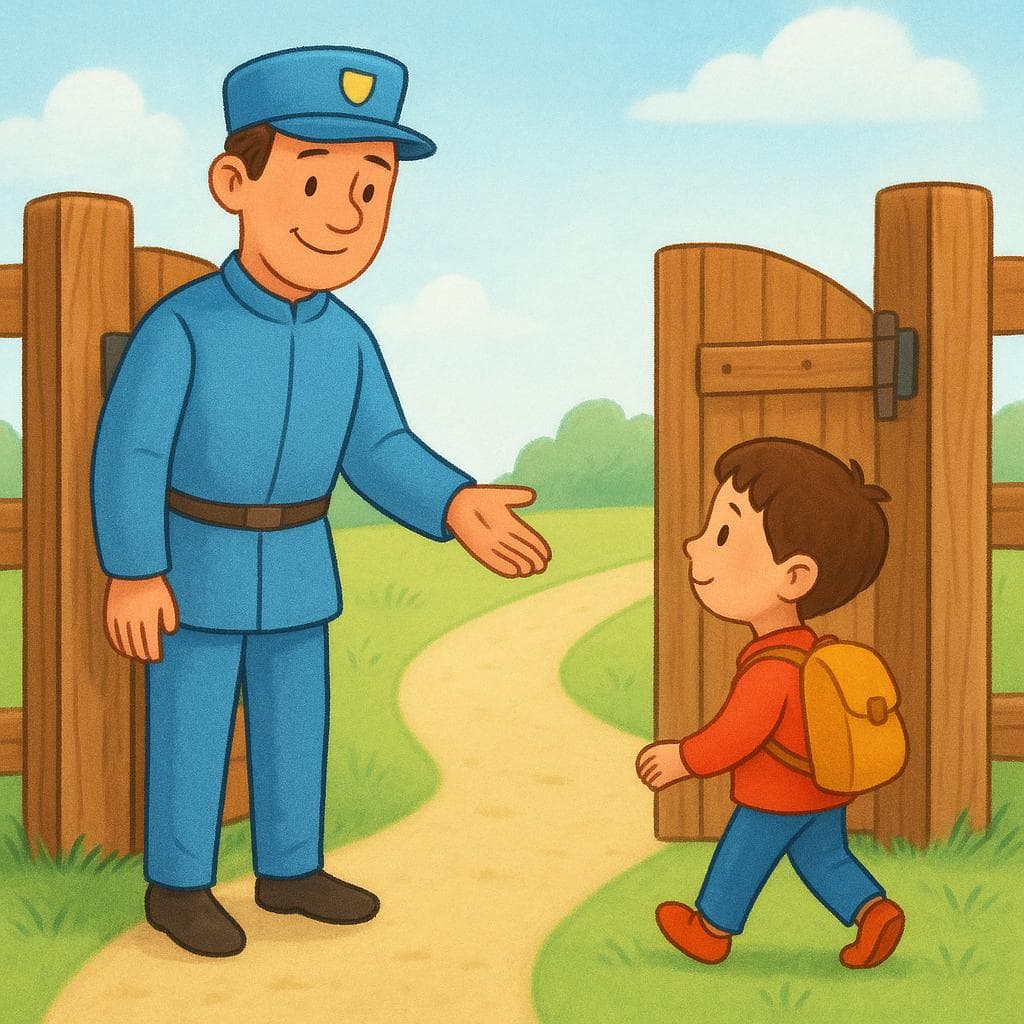
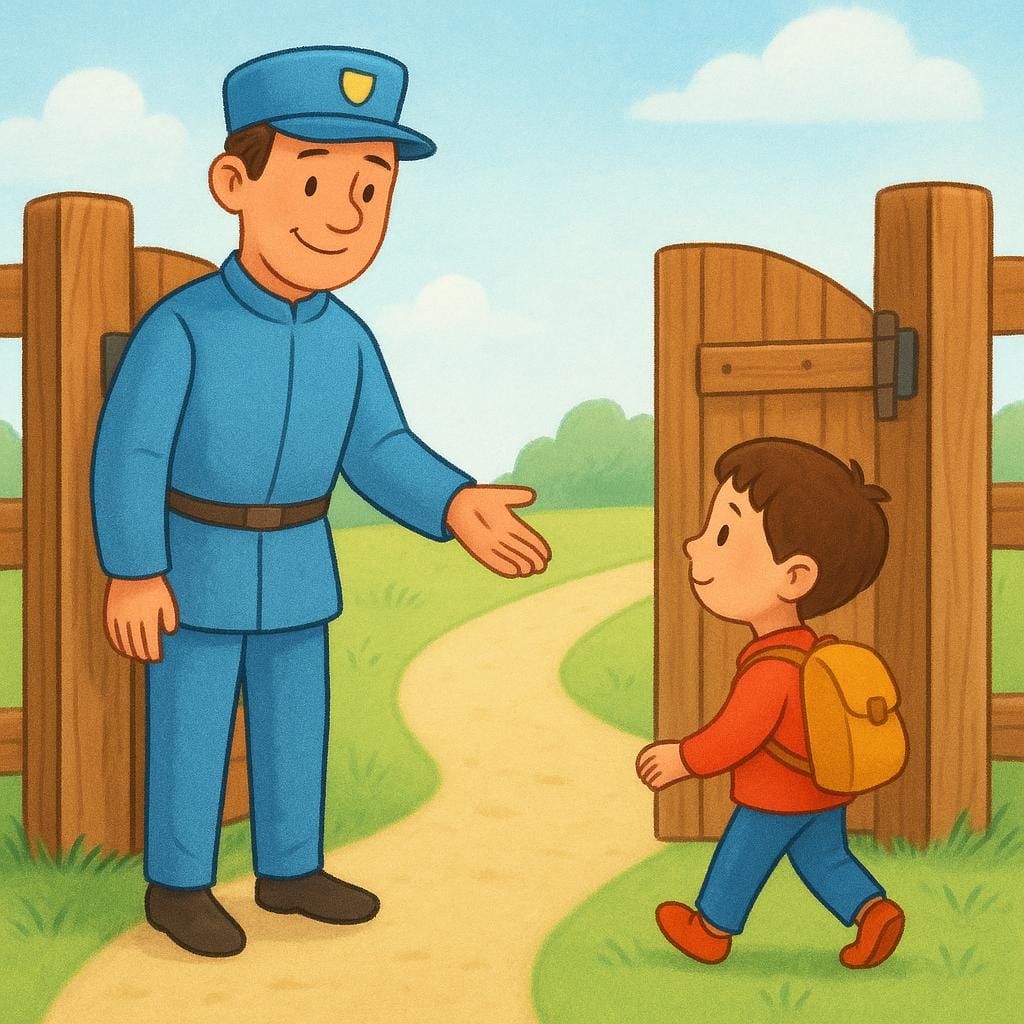
The most common Spanish word for “permits” is “permite” — use 'permite' (from the verb 'permitir') when you mean to allow, enable, or authorize something, often in an official or legal capacity.

permite
pehr-MEE-tehpeɾˈmite
Examples
El nuevo software permite a los empleados trabajar desde casa.
The new software allows employees to work from home.
La tarjeta de crédito le permite pagar después.
The credit card allows him to pay later.
Mi horario me permite ir al gimnasio todos los días.
My schedule permits me to go to the gym every day.
¿El reglamento permite mascotas pequeñas en el edificio?
Does the regulation permit small pets in the building?
Using the Verb After 'Permitir'
When you say who or what is allowed to do something, the verb after 'permite' usually stays in the simple, unconjugated form (infinitive): 'La regla permite comer fuera' (The rule allows eating outside).
Formal vs. Informal
'Permitir' is slightly more formal than 'dejar' (to let/to leave). Use 'permite' when discussing official rules or when writing formally.
Forgetting the 'to'
Mistake: “Me permite ir.”
Correction: This is often translated as 'He allows me to go,' but English requires 'to.' Spanish does not need an extra preposition here.
admite
ad-MEE-tehaðˈmite

Examples
Este restaurante no admite mascotas en el interior.
This restaurant does not allow pets inside.
Este club no admite a menores de edad.
This club does not allow minors.
La situación no admite más demoras.
The situation permits no further delays.
Capacity and Rules
Use 'admite' to describe what a rule or a space can handle or allow.
pases
PAH-sesˈpases
Examples
Necesito comprar pases de autobús para el fin de semana.
I need to buy bus passes for the weekend.
Necesito dos pases para el concierto de esta noche.
I need two tickets for tonight's concert.
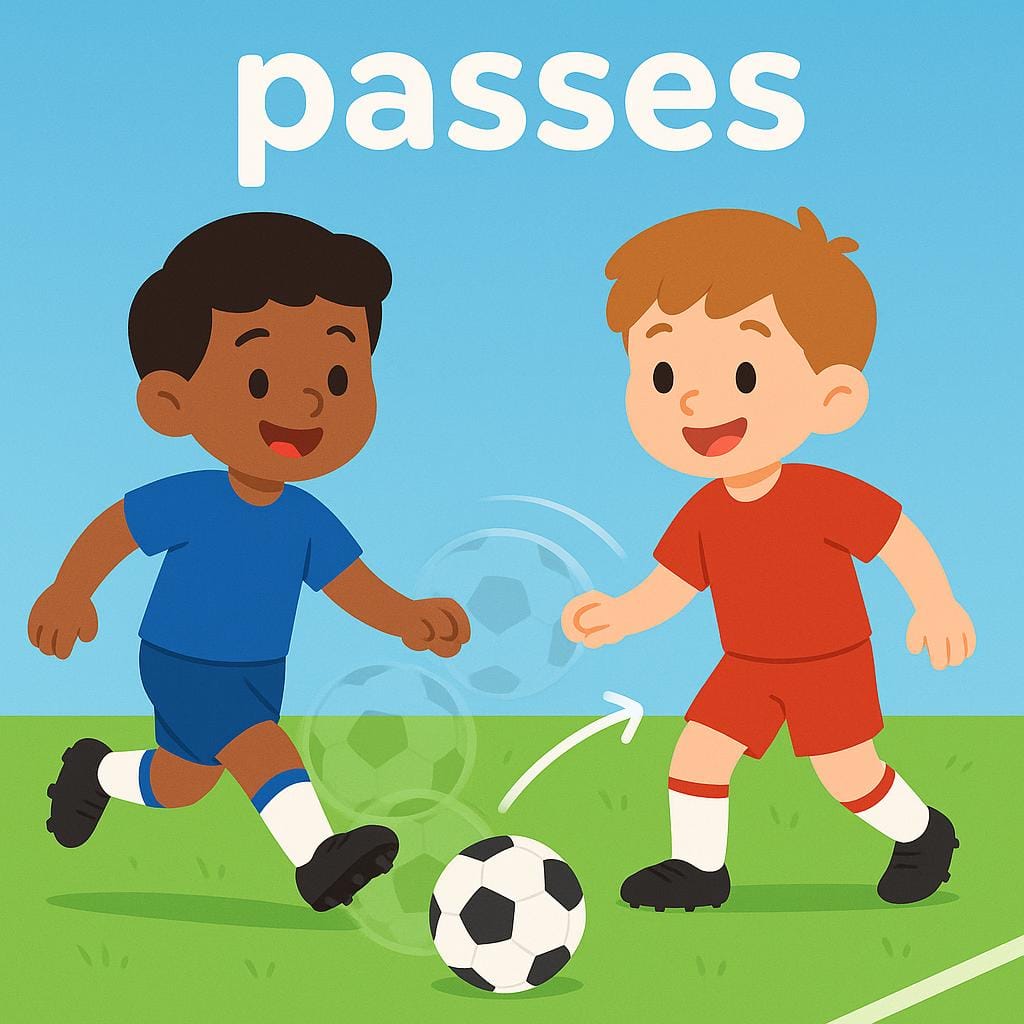
Los jugadores hicieron muchos pases rápidos.
The players made many quick passes (in the game).
Hemos comprado abonos de diez pases para el metro.
We have bought ten-ride passes for the subway.
Plural Rule
The singular noun is 'pase' (ending in 'e'). To make it plural, you just add an 's' to the end: 'pases'.
Gender Consistency
Since 'pase' is a masculine noun, its plural 'pases' must always use masculine articles and adjectives (e.g., los pases, pases rápidos).
Verb vs. Noun Confusion
Related Translations
Learn Spanish with Inklingo
Interactive stories, personalized learning, and more.