pases
“pases” means “that you pass” in Spanish. It has 2 different meanings depending on context:
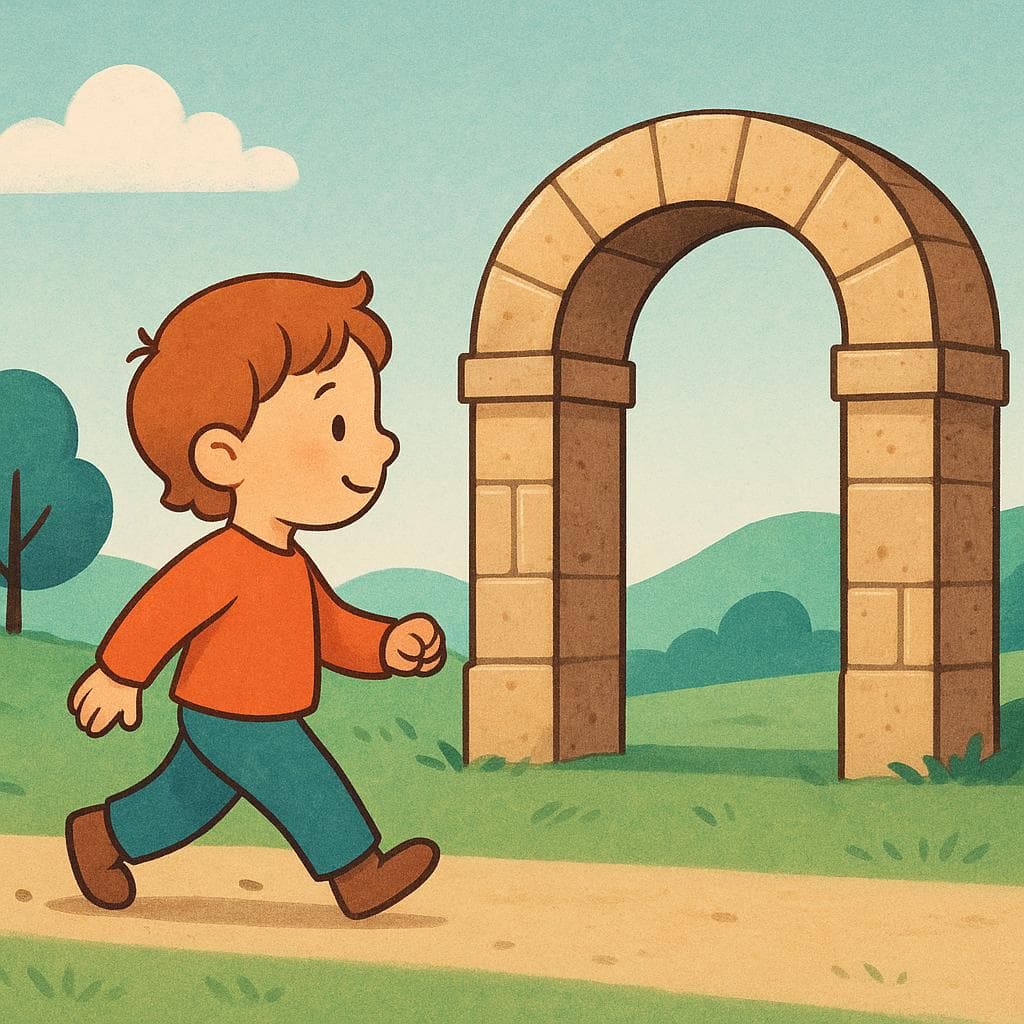
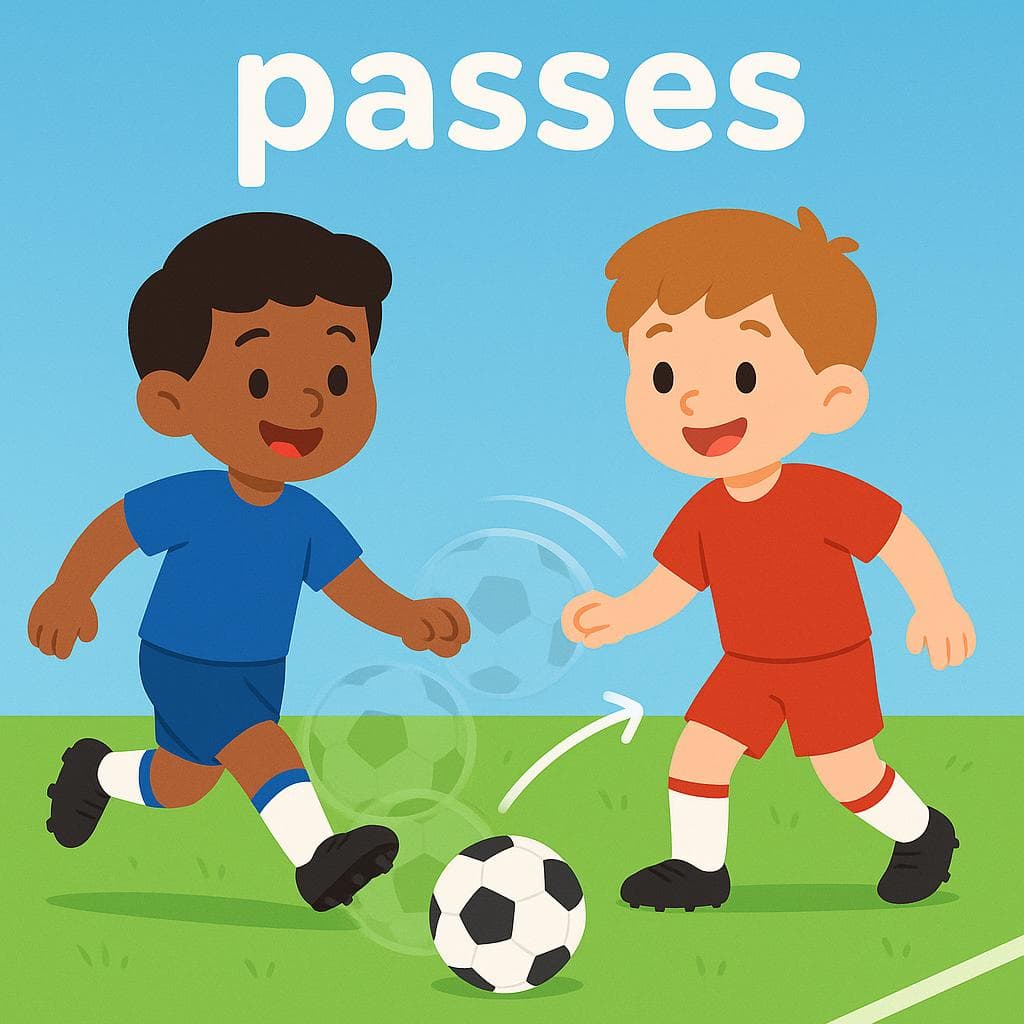
that you pass, that you happenAlso: don't pass

📝 In Action
Espero que no pases frío esta noche.
A2I hope you don't get cold tonight (literally: I hope that you don't pass cold).
Quiero que pases la sal, por favor.
B1I want you to pass the salt, please.
No creo que pases el examen sin estudiar.
B2I don't think you will pass the exam without studying.
Word Connections
passes, ticketsAlso: permits, moves
📝 In Action
Necesito dos pases para el concierto de esta noche.
A1I need two tickets for tonight's concert.
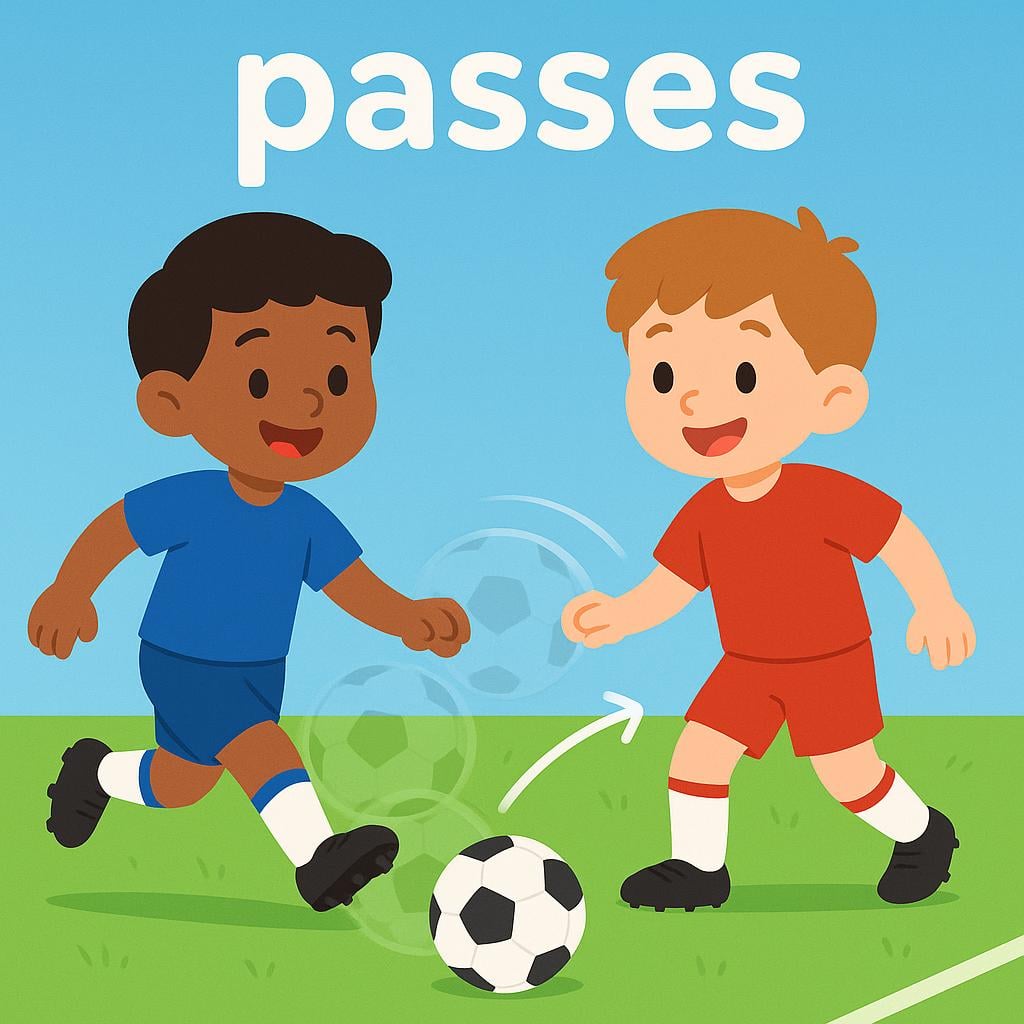
Los jugadores hicieron muchos pases rápidos.
B1The players made many quick passes (in the game).
Hemos comprado abonos de diez pases para el metro.
A2We have bought ten-ride passes for the subway.
Word Connections
Indicative
Present
Imperfect
Preterite
Subjunctive
Present Subjunctive
Imperfect Subjunctive
Translate to Spanish
Words that translate to "pases" in Spanish:
✏️ Quick Practice
Quick Quiz: pases
Question 1 of 2
Which sentence uses 'pases' as the plural of a ticket/permit?
📚 More Resources
👥 Word Family
📚 Etymology
Both the verb form and the noun form come from the Latin verb *passāre*, meaning 'to step' or 'to walk.' The idea of movement led to both 'to move something' (the verb *pasar*) and 'a document allowing movement' (the noun *pase*).
First recorded: 13th century
Cognates (Related words)
💡 Master Spanish
Take your Spanish to the next level. Read 200+ illustrated and narrated Spanish stories tailored to your level with the Inklingo app!
Frequently Asked Questions
How can I tell if 'pases' is a verb or a noun?
If 'pases' is preceded by an article (like 'los' or 'unos') or a number, it is almost certainly the plural noun meaning 'tickets' or 'passes.' If it follows a trigger phrase like 'espero que...' (I hope that...) or 'quiero que...' (I want that...), it is the verb form.
Is 'pases' the only form of the verb 'pasar' that looks like the noun plural?
Yes. The plural noun is 'pases.' The verb 'pases' is the 'tú' form of the present subjunctive. The other verb forms (like the 'yo' form, 'pase') look exactly like the singular noun 'pase'.