How to Say "plentiful" in Spanish
The most common Spanish word for “plentiful” is “abundante” — use 'abundante' when referring to a large quantity or amount of something, often implying more than enough, like plentiful food or resources.

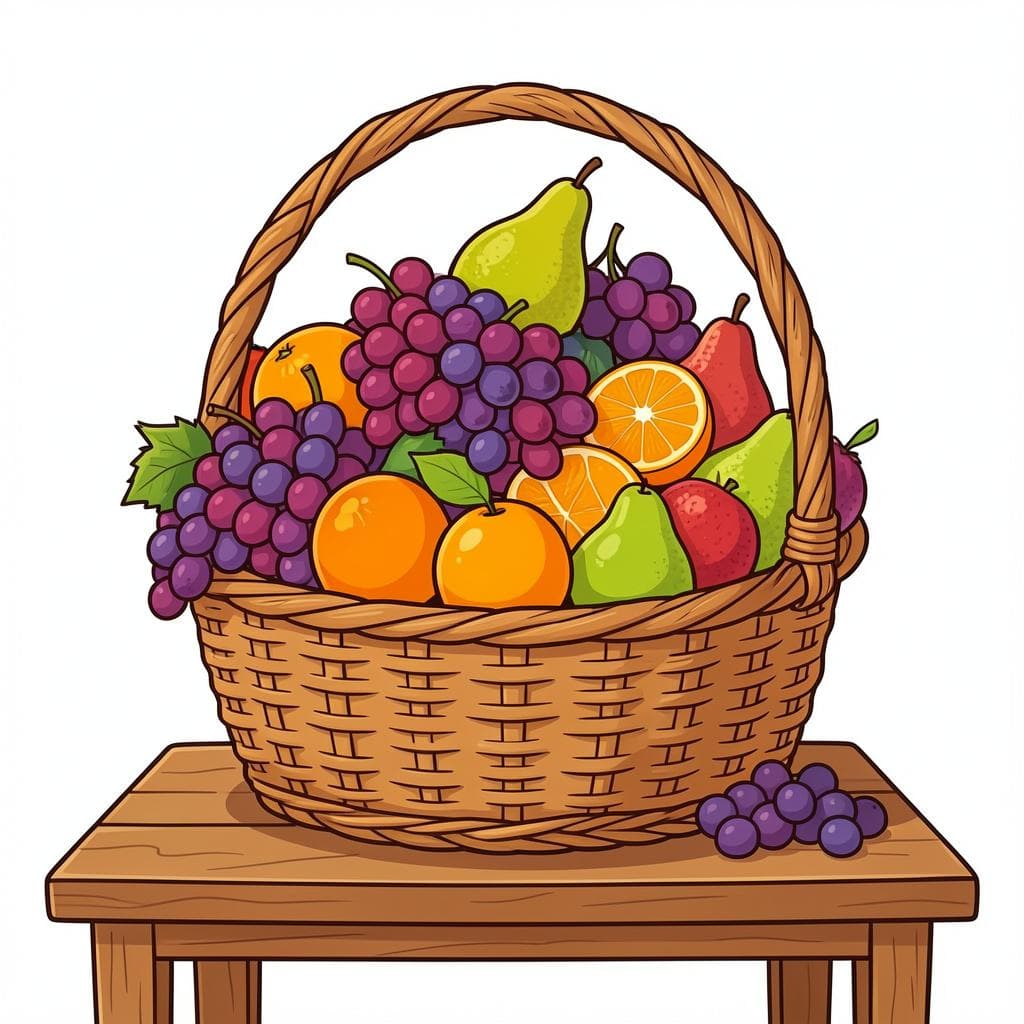

abundante
ah-boon-DAHN-tehaβunˈdante

Examples
En este restaurante sirven una comida muy abundante.
They serve very hearty meals at this restaurant.
La región tiene recursos naturales abundantes.
The region has plentiful natural resources.
El testigo proporcionó detalles abundantes sobre el suceso.
The witness provided extensive details about the event.
One Form for All
In Spanish, most adjectives ending in -e don't change for boys or girls. Use 'abundante' for both masculine and feminine things.
Natural Word Order
To sound most natural, place 'abundante' after the person or thing you are describing (e.g., 'agua abundante').
The 'A' Trap
Mistake: “La comida es abundanta.”
Correction: La comida es abundante. Even though 'comida' is feminine, 'abundante' never ends in 'a'.
generosa
heh-neh-ROH-sahxe.ne.ˈɾo.sa
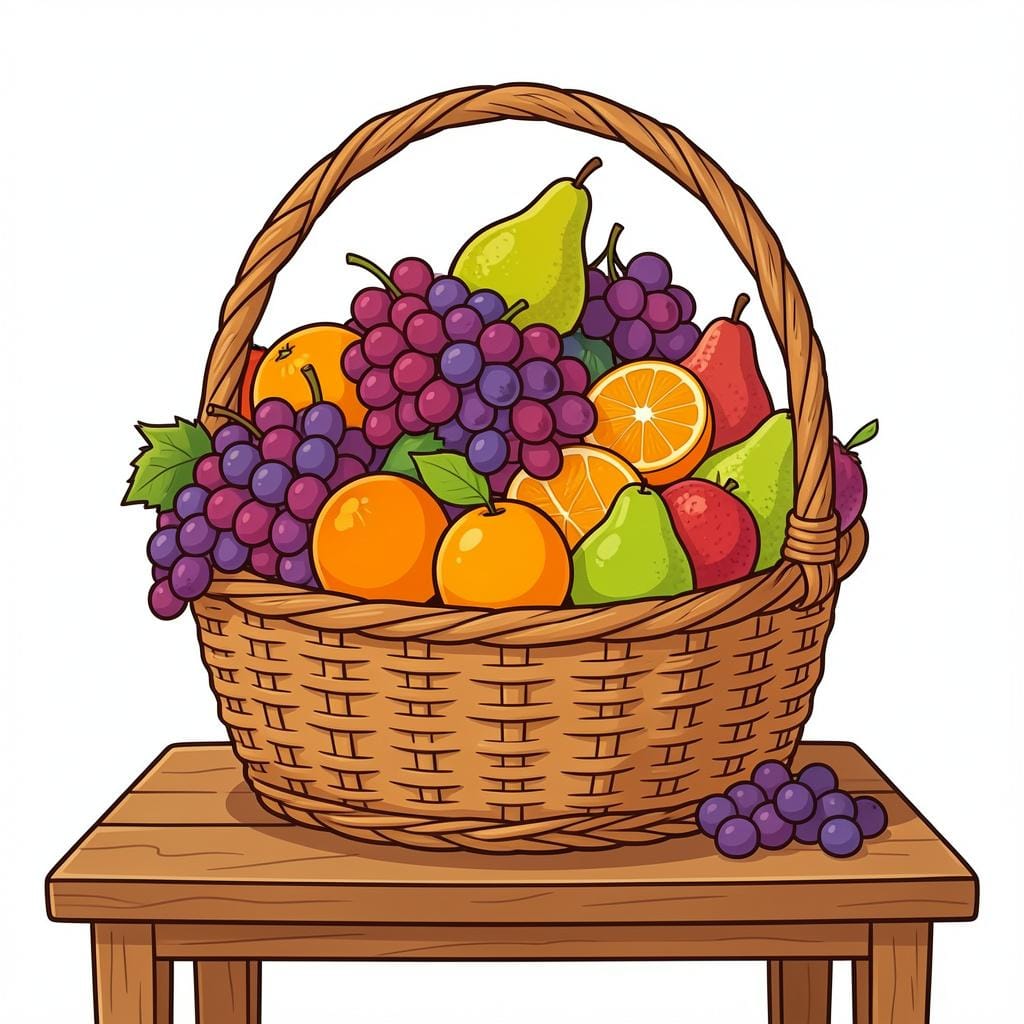
Examples
Sirvió una porción generosa de tarta de chocolate.
She served a generous portion of chocolate cake.
La casa tiene una entrada de luz generosa.
The house has a plentiful amount of light coming in.
Placement for Emphasis
Putting 'generosa' before the noun (e.g., 'una generosa ración') makes it sound more descriptive or poetic.
ricos
REE-kohsˈrikos

Examples
Estos cereales son ricos en fibra y vitaminas.
These cereals are rich in fiber and vitamins.
Estos cereales son **ricos** en fibra y vitaminas.
These cereals are rich in fiber and vitamins.
La zona tiene yacimientos **ricos** en oro.
The area has deposits rich in gold.
The Preposition 'En'
When describing what something is rich 'in,' you almost always use the preposition 'en' (in): 'ricos en proteínas' (rich in proteins).
Confusing 'abundante' with 'ricos'
Related Translations
Learn Spanish with Inklingo
Interactive stories, personalized learning, and more.