How to Say "plenty of" in Spanish
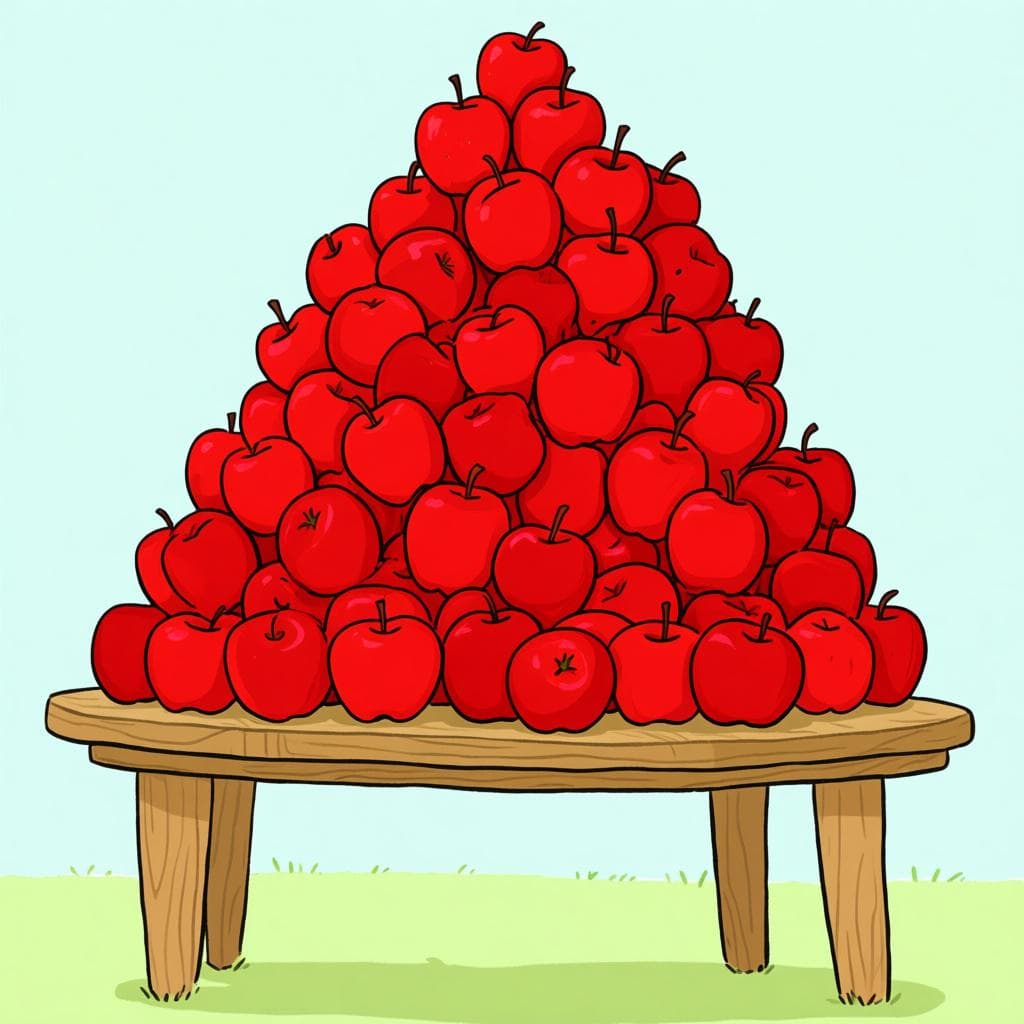
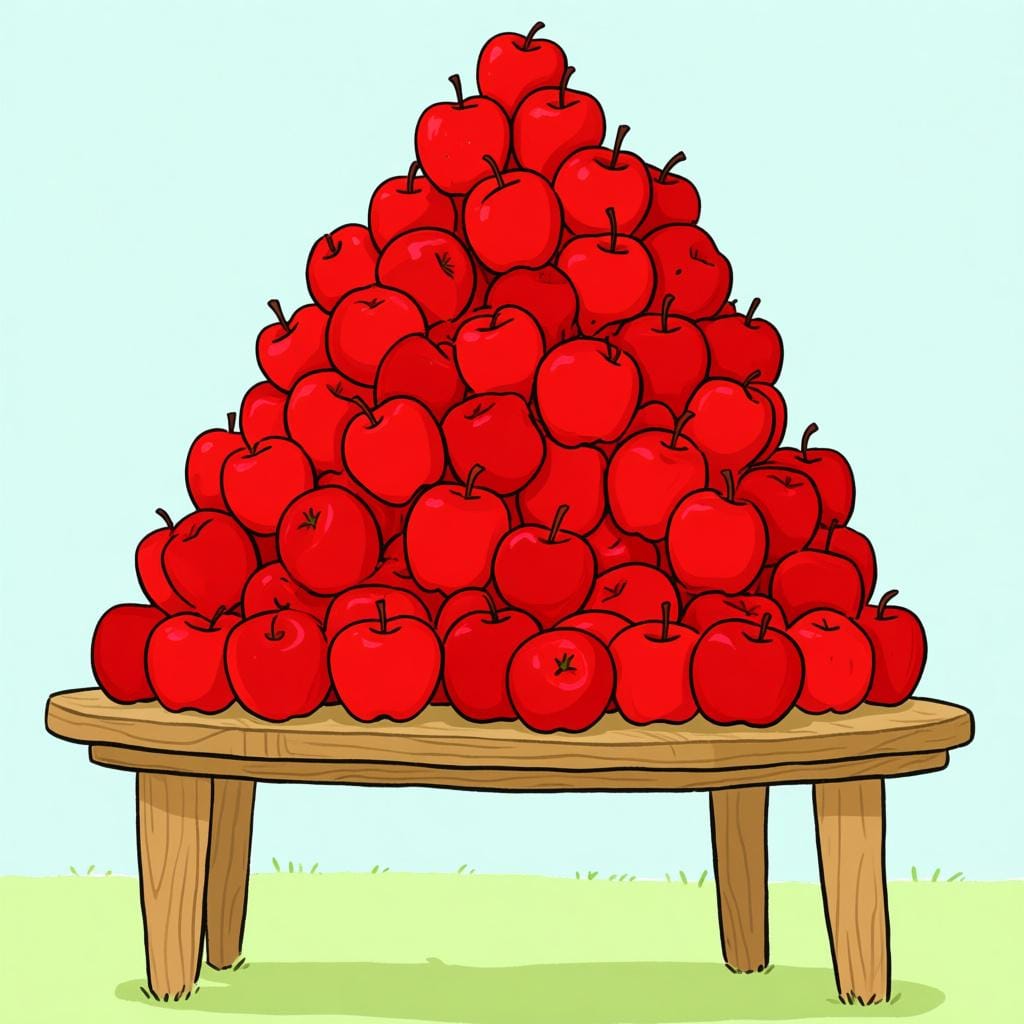
The most common Spanish word for “plenty of” is “mucha” — use 'mucha' when you want to emphasize that there is a large amount or quantity of something, often implying abundance.
mucha
MOO-chahˈmu.t͡ʃa
Examples
Tengo mucha paciencia con los niños.
I have a lot of patience with children.
Tengo mucha hambre.
I'm very hungry. (Literally: I have a lot of hunger.)
Hay mucha gente en la fiesta.
There are a lot of people at the party.
Ella tiene mucha paciencia con los niños.
She has a lot of patience with the children.
Matching Feminine Words
mucha is the version you use before a feminine word (often ones ending in -a, like casa or comida). It has to match! For masculine words, you'd use its partner, mucho.
Placement is Key
mucha almost always comes before the word it's describing. Saying comida mucha sounds very unnatural. Always put it first: mucha comida.
Mixing up `mucho` and `mucha`
Mistake: “Tengo mucho hambre.”
Correction: Tengo mucha hambre. The word `hambre` (hunger) is feminine in Spanish, so you need the matching `-a` ending on `mucha`.
Using `muy` instead of `mucha`
Mistake: “Hay muy gente en el parque.”
Correction: Hay mucha gente en el parque. Use `mucha` to talk about the *quantity* of something (a noun). Use `muy` (very) to make a description stronger, like `muy grande` (very big).
bastante
bahs-TAHN-tehbasˈtante
Examples
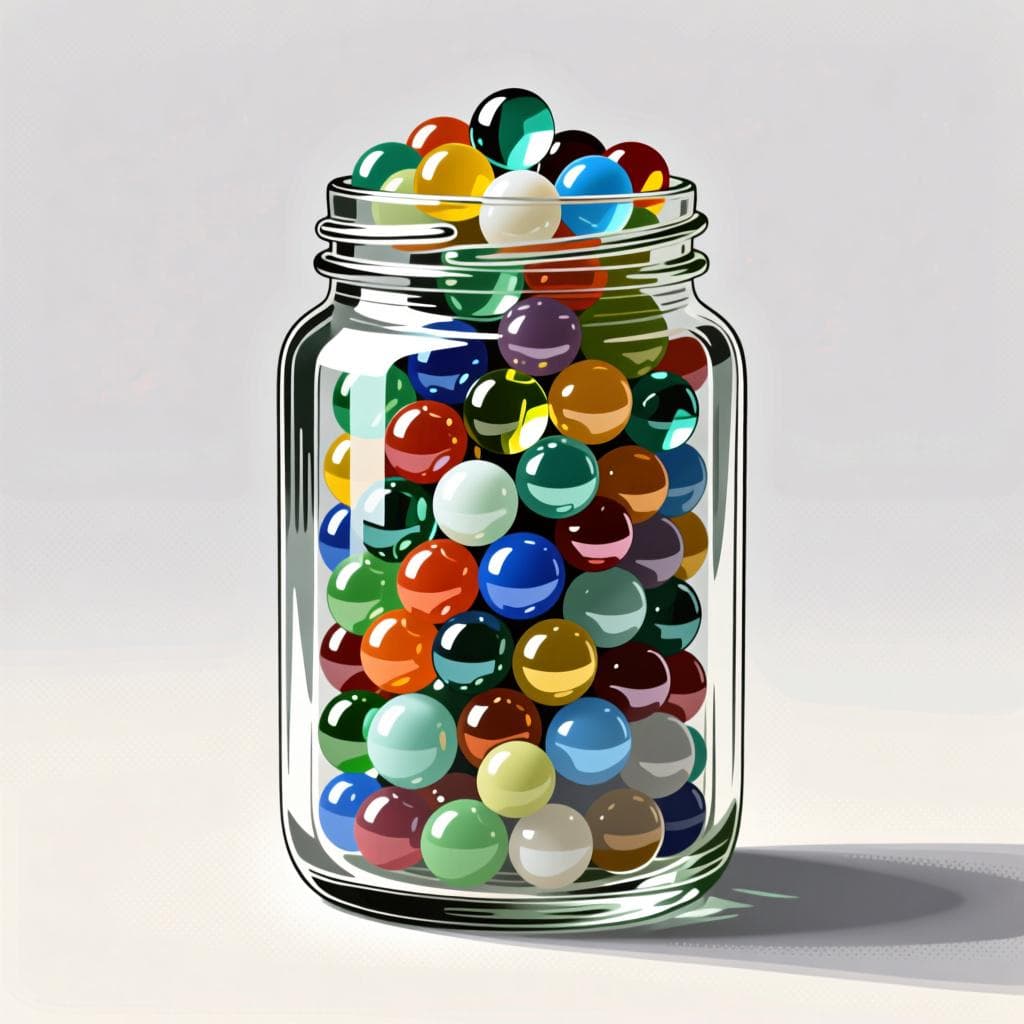
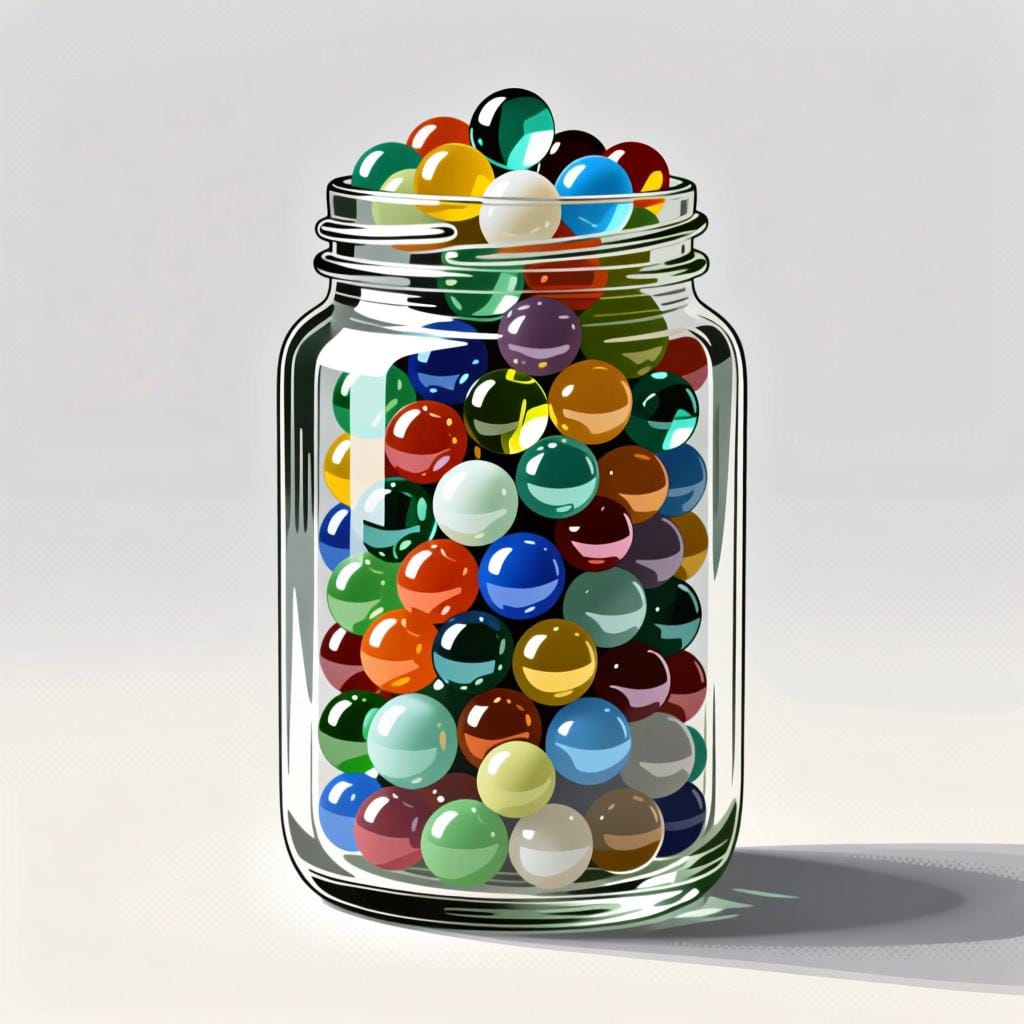
Ya comimos bastante, no quiero más.
We already ate plenty, I don't want more.
Tengo bastante tarea.
I have enough homework.
Hay bastantes sillas para todos.
There are enough chairs for everyone.
Ella conoce a bastantes personas famosas.
She knows plenty of famous people.
Add an '-s' for Plural Things
When describing things, 'bastante' changes to 'bastantes' if the thing is plural (more than one). For example, 'bastante comida' (one thing) but 'bastantes libros' (many things). It never changes for gender.
Forgetting the '-s'
Mistake: “Tengo bastante amigos.”
Correction: Tengo bastantes amigos. Because 'amigos' is plural, 'bastante' needs an 's' to match.
Choosing Between 'Mucha' and 'Bastante'
Learn Spanish with Inklingo
Interactive stories, personalized learning, and more.