How to Say "rascals" in Spanish
The most common Spanish word for “rascals” is “bandidos” — use 'bandidos' for people of any age who are playfully mischievous or naughty, often in a way that is amusing rather than truly troublesome.

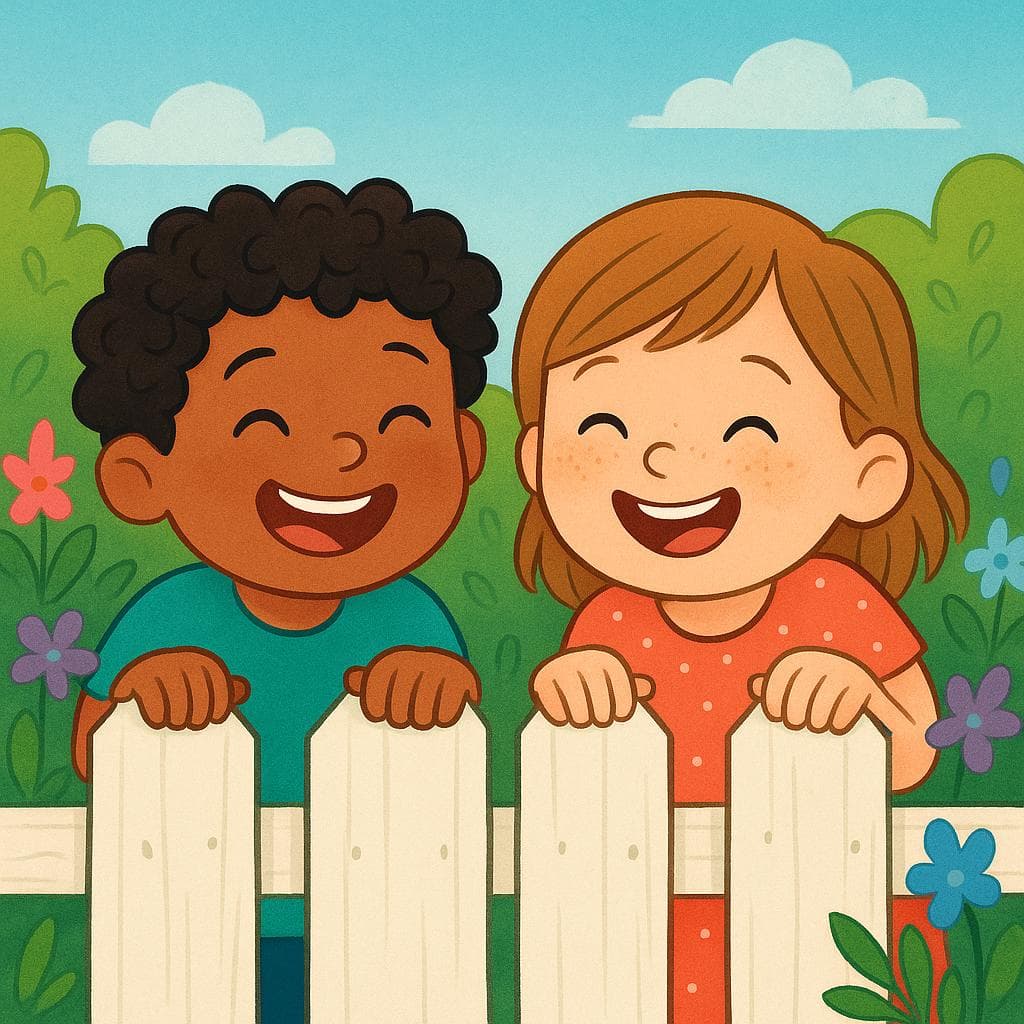
bandidos
ban-DEE-dohsbanˈdiðos

Examples
¡Qué bandidos son mis sobrinos! Escondieron mis llaves otra vez.
What rascals my nephews are! They hid my keys again.
Esos perros son unos bandidos, siempre roban comida de la mesa.
Those dogs are such scoundrels, they are always stealing food from the table.
Expressing Affection
In this context, using 'unos' before 'bandidos' makes the description feel more natural and informal.
bichos
BEE-chohsˈbitʃos
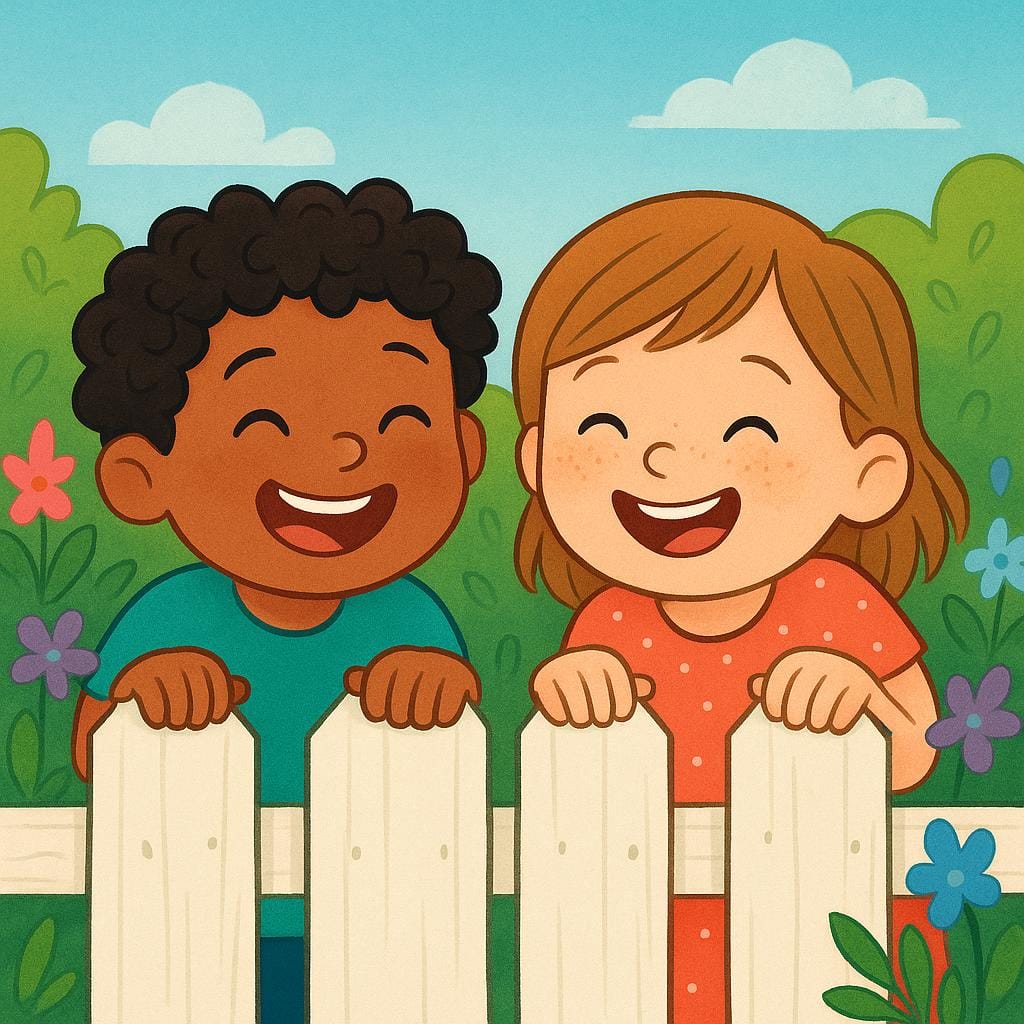
Examples
Tus hijos son unos bichos, no paran quietos.
Your kids are such rascals; they don't sit still.
Describing people
When calling people 'bichos', you usually use the word 'unos' before it (unos bichos) to mean 'some real rascals'.
General vs. Specific Use
Related Translations
Learn Spanish with Inklingo
Interactive stories, personalized learning, and more.