How to Say "scenic" in Spanish
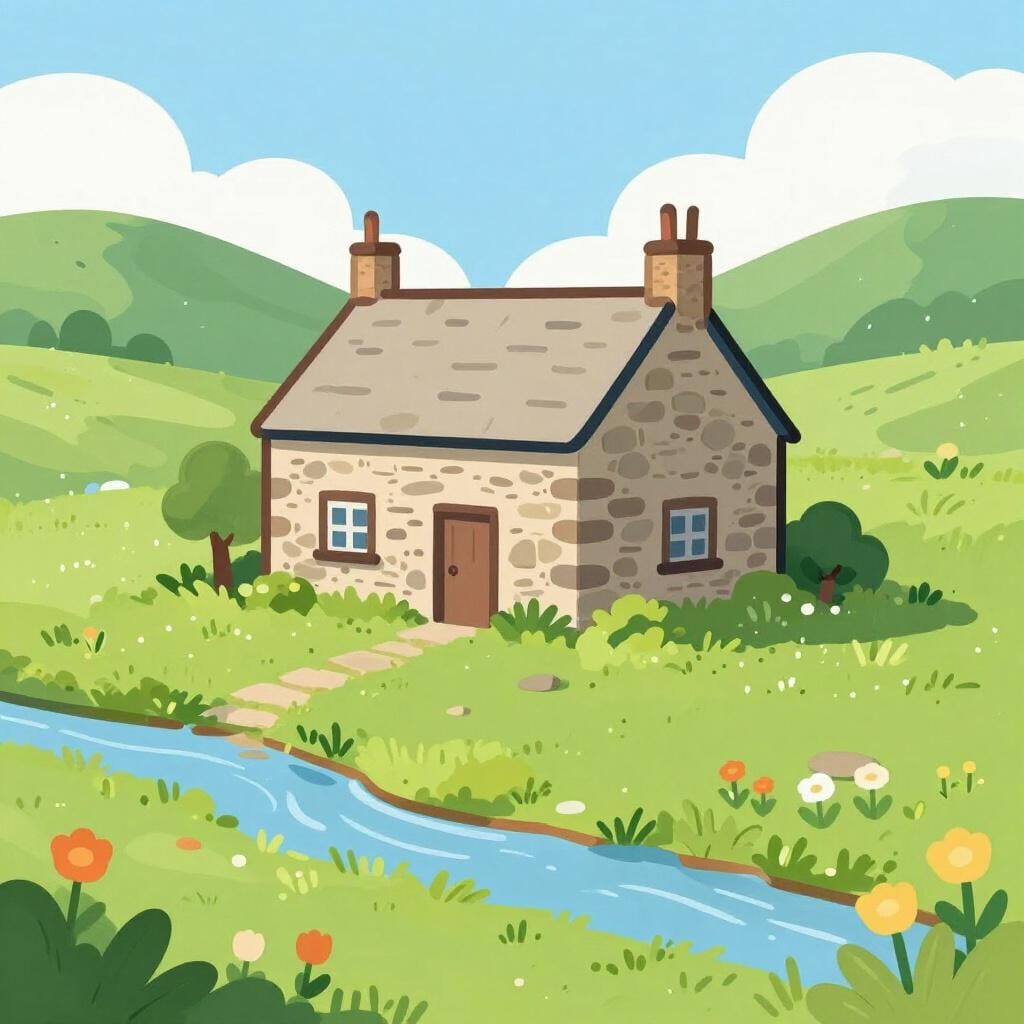
The most common Spanish word for “scenic” is “pintoresco” — use 'pintoresco' when describing a place or view that is visually attractive due to its natural beauty, charm, or quaintness, much like a painting.

pintoresco
peen-toh-REHS-kohpintoˈɾesko
Examples
El camino a la playa ofrecía vistas muy pintorescas.
The road to the beach offered very picturesque views.
Visitamos un pueblo pintoresco en las montañas.
We visited a picturesque village in the mountains.
La vista desde el hotel es muy pintoresca.
The view from the hotel is very scenic.
Sus calles estrechas y pintorescas atraen a muchos turistas.
Its narrow and quaint streets attract many tourists.
Gender Agreement
This word changes its ending depending on what you are describing. Use 'pintoresco' for masculine things (un lugar) and 'pintoresca' for feminine things (una casa).
Standard Position
In Spanish, words that describe things (adjectives) usually come after the person or object. Say 'un pueblo pintoresco' instead of 'un pintoresco pueblo' to sound more natural.
Don't use it for just 'colorful'
Mistake: “Esa camisa es muy pintoresca (if you only mean it has many colors).”
Correction: Use 'colorido' for things with many colors. Use 'pintoresco' for things that look like they belong in a painting.
escénico
Examples
La escenografía de la obra era impresionante.
The stage design of the play was impressive.
Scenic vs. Scenic
Related Translations
Learn Spanish with Inklingo
Interactive stories, personalized learning, and more.