How to Say "sister" in Spanish
The most common Spanish word for “sister” is “hermana” — use 'hermana' when referring to a female sibling in your family.

Use 'hermana' when referring to a female sibling in your family.
Learn more →
Use 'monja' as a general term for a nun, a woman who has taken religious vows.
Learn more →
Use 'religiosa' when specifically referring to a woman who belongs to a convent or religious community.
Learn more →
Use 'sor' as a formal title preceding the given name of a nun, often used historically or in literary contexts.
Learn more →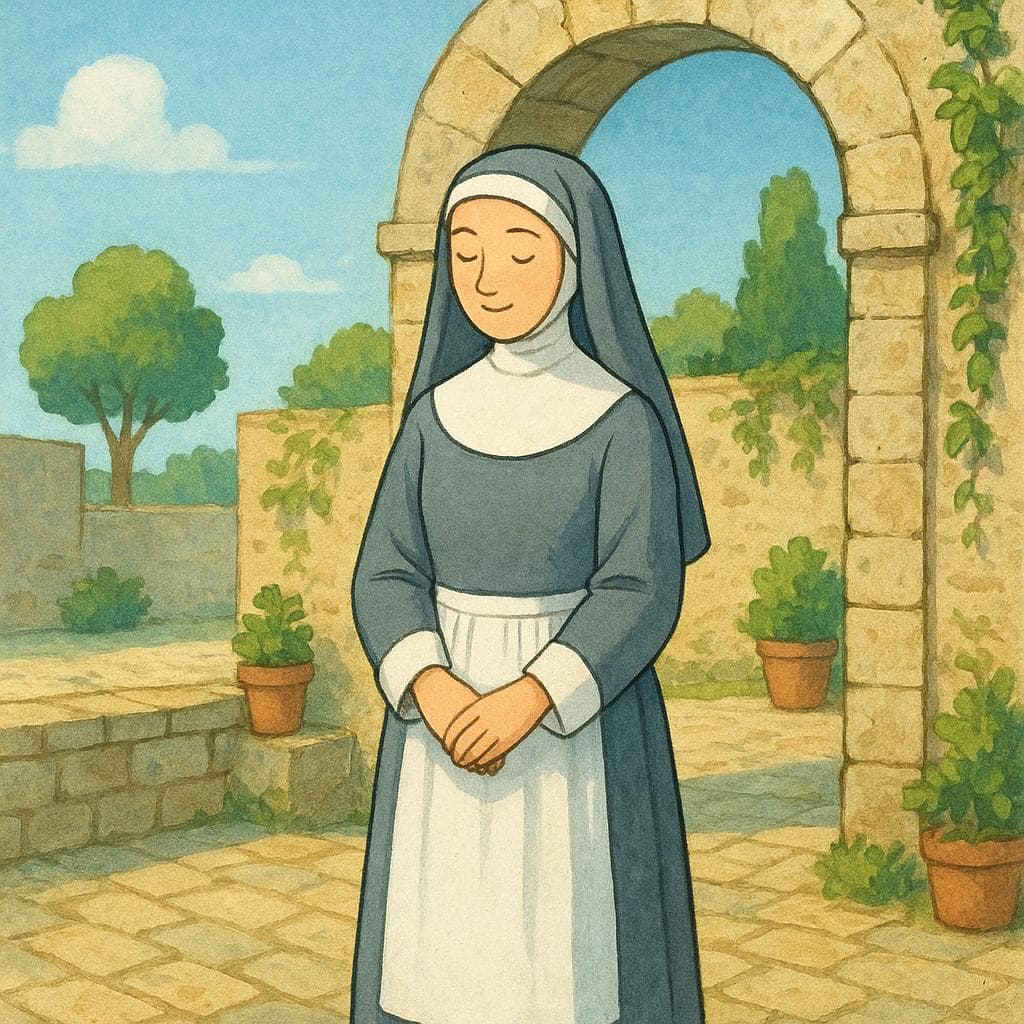
Use 'hermanita' affectionately or sometimes formally for a nun, particularly in certain religious contexts or when referring to a younger nun.
Learn more →er-MA-naeɾˈma.na

Examples
Mi hermana mayor vive en Madrid.
My older sister lives in Madrid.
¿Cuántas hermanas tienes?
How many sisters do you have?
Ella y su hermana se parecen mucho.
She and her sister look a lot alike.
La hermana Teresa dedicó su vida a los pobres.
Sister Teresa dedicated her life to the poor.
Always Feminine
Because 'hermana' ends in '-a', it's a feminine word. Any words that describe it must also be feminine, like 'mi hermana es alta' (my sister is tall).
Using it as a Title
Just like in English, 'hermana' can be used as a title before a name. It's often capitalized in this case: 'Hermana Lucía'.
Forgetting the Silent 'h'
Mistake: “Mi ermana vive aquí.”
Correction: Mi hermana vive aquí. The 'h' at the start of Spanish words is always silent, but it's very important for spelling!
er-MA-naeɾˈma.na
Examples
La hermana Teresa dedicó su vida a los pobres.
Sister Teresa dedicated her life to the poor.
Mi hermana mayor vive en Madrid.
My older sister lives in Madrid.
¿Cuántas hermanas tienes?
How many sisters do you have?
Ella y su hermana se parecen mucho.
She and her sister look a lot alike.
Always Feminine
Because 'hermana' ends in '-a', it's a feminine word. Any words that describe it must also be feminine, like 'mi hermana es alta' (my sister is tall).
Using it as a Title
Just like in English, 'hermana' can be used as a title before a name. It's often capitalized in this case: 'Hermana Lucía'.
Forgetting the Silent 'h'
Mistake: “Mi ermana vive aquí.”
Correction: Mi hermana vive aquí. The 'h' at the start of Spanish words is always silent, but it's very important for spelling!
MON-hahˈmonxa

Examples
La monja trabaja en el hospital de la ciudad.
The nun works in the city hospital.
Sor Juana Inés de la Cruz fue una monja y escritora famosa.
Sor Juana Inés de la Cruz was a famous nun and writer.
Mi tía decidió hacerse monja el año pasado.
My aunt decided to become a nun last year.
Gender and Endings
This word is specifically feminine. It almost always ends in '-a' because it refers to a woman. To talk about a man in a similar religious role, you must use the word 'monje' instead.
The 'O' trap
Mistake: “monjo”
Correction: monje
reh-lee-hee-OH-sahre.liˈxjo.sa

Examples
La religiosa dedicó su vida a ayudar a los pobres.
The nun dedicated her life to helping the poor.
Varias religiosas viven en el convento de la ciudad.
Several nuns live in the city's convent.
Formal Nouns
While 'monja' is the most common word for 'nun', 'religiosa' is often considered more formal or respectful.
sorsoɾ

Examples
Sor Juana Inés de la Cruz fue una famosa escritora mexicana.
Sister Juana Inés de la Cruz was a famous Mexican writer.
La carta fue escrita por sor María.
The letter was written by Sister Mary.
Hablamos con sor Lucía sobre la historia del convento.
We spoke with Sister Lucia about the history of the convent.
Using 'Sor' with Names
This word is a title, like 'Mr.' or 'Dr.', but specifically for nuns. It always comes immediately before the person's first name.
Always Feminine
Since this title is only used for women in religious orders, it never changes to a masculine form.
Family vs. Religion
Mistake: “Calling your biological sister 'mi sor'.”
Correction: Use 'mi hermana'. 'Sor' is strictly for nuns, usually in a formal or religious setting.
er-mah-NEE-taheɾmaˈnita

Examples
La hermanita María cuida de los enfermos en el hospital de la misión.
Sister María takes care of the sick people at the mission hospital.
¡Qué alegría verte, hermanita! Hace mucho que no hablamos.
What a joy to see you, sister! It’s been a while since we talked. (Used between very close female friends)
Religious Title
In a religious context, 'hermanita' (often capitalized or preceded by 'la') is a title of respect used for nuns or members of certain female religious communities.
Sibling vs. Nun Confusion
The most common mistake is using religious terms for family members or vice versa. Always remember that 'hermana' is the primary word for a female sibling, while 'monja', 'religiosa', 'sor', and 'hermanita' are specific to religious women.
Related Translations
Learn Spanish with Inklingo
Interactive stories, personalized learning, and more.