How to Say "task force" in Spanish
The most common Spanish word for “task force” is “comando” — use 'comando' when referring to a military or police unit specifically formed to carry out a mission, often implying a degree of authority or a specialized operational team.
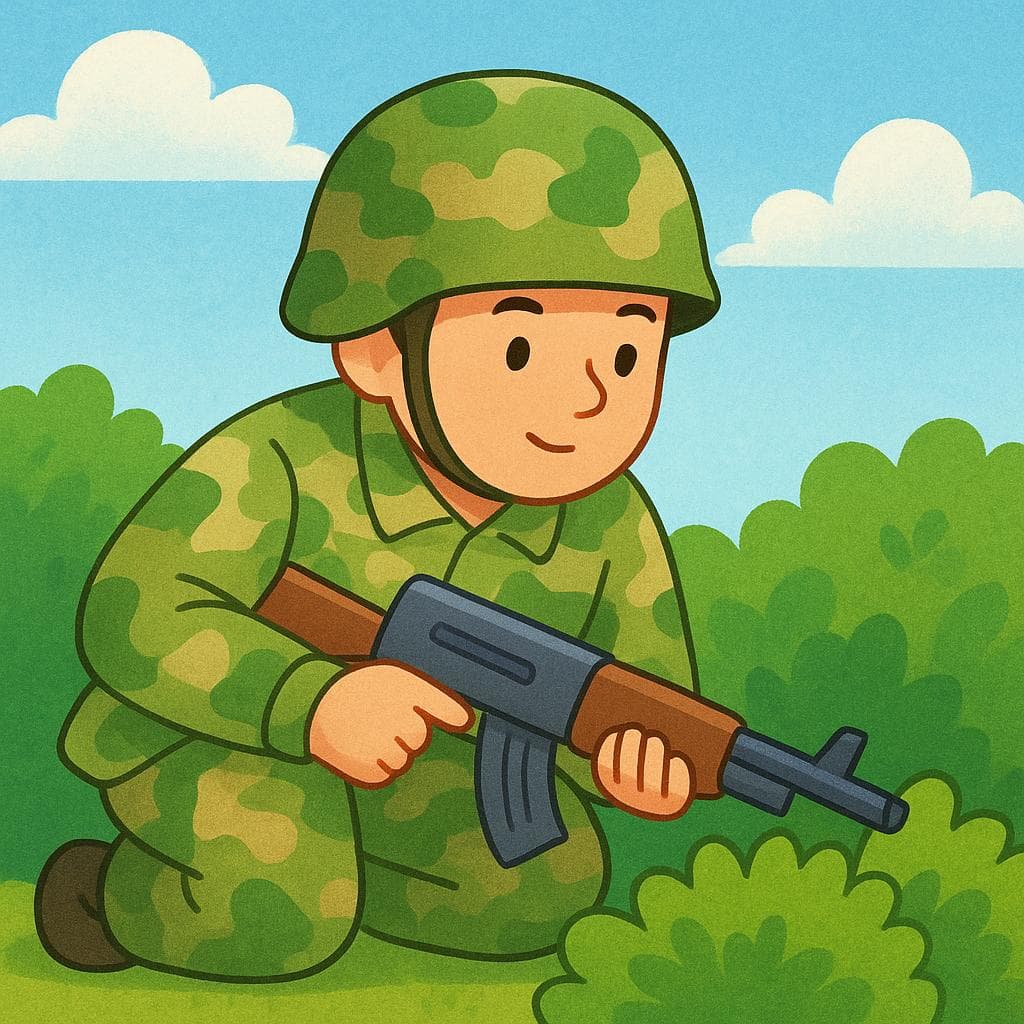
comando
koh-MAHN-dohkoˈmando
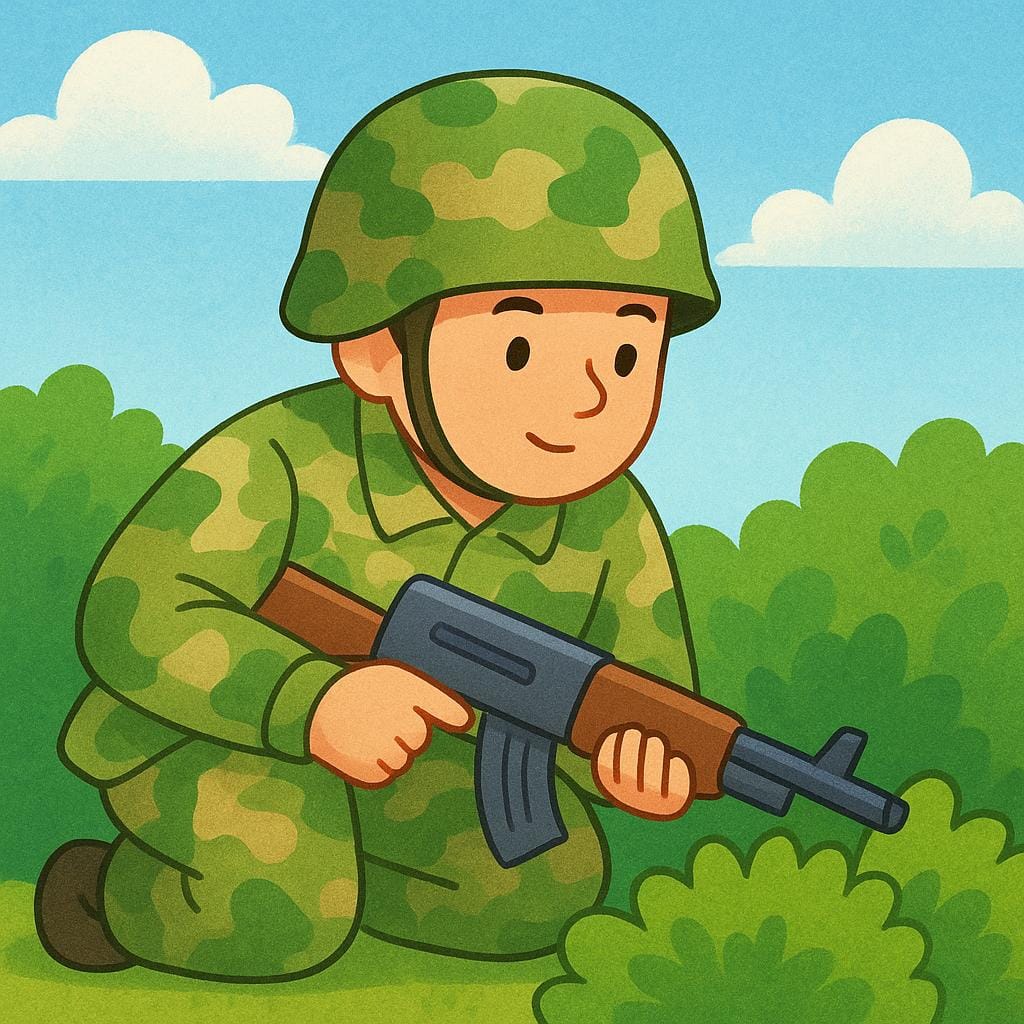
Examples
El comando especial detuvo al sospechoso sin incidentes.
The special task force apprehended the suspect without incident.
El comando de élite realizó una operación secreta en la madrugada.
The elite commando unit carried out a secret operation at dawn.
Atraparon a los criminales gracias a un comando policial.
They caught the criminals thanks to a police squad.
El soldado es parte de un comando antiterrorista.
The soldier is part of an anti-terrorist commando team.
Masculine Noun Rule
Even though 'comando' ends in '-o', it is always a masculine noun, meaning you use 'el' (the) and 'un' (a/an) with it: 'el comando'.
escuadrón
Examples
Se formó un escuadrón de bomberos para combatir el incendio forestal.
A task force of firefighters was formed to combat the forest fire.
Comando vs. Escuadrón
Learn Spanish with Inklingo
Interactive stories, personalized learning, and more.