How to Say "squad" in Spanish
The most common Spanish word for “squad” is “patrulla” — use 'patrulla' for a small, often mobile, military or security unit performing routine patrols or responding to immediate situations.







patrulla
pah-TROO-yahpaˈtɾuʝa
Examples
Una patrulla de policía llegó rápidamente al lugar del accidente.
A police patrol arrived quickly at the scene of the accident.
La patrulla de rescate encontró al excursionista perdido.
The rescue squad found the lost hiker.
Gender Reminder
Even though it refers to a group of people, 'patrulla' is always a feminine noun, so use 'la' or 'una' before it.
escuadrón
ess-kwah-DRONes.kwaˈðɾon

Examples
El escuadrón de reconocimiento regresó después de completar su misión.
The reconnaissance squadron returned after completing its mission.
El jefe del escuadrón dio la orden de avanzar.
The squadron leader gave the order to advance.
En la película, un escuadrón de aviones de combate defendió la ciudad.
In the movie, a squadron of fighter jets defended the city.
Masculine Noun
Even though it refers to a group, 'escuadrón' is always a masculine word, so use 'el escuadrón' and masculine adjectives.
Confusing Gender
Mistake: “La escuadrón (using feminine article)”
Correction: El escuadrón (always masculine). Remember that many words ending in '-ón' are masculine.
pelotón
peh-loh-TONpeloˈton
Examples
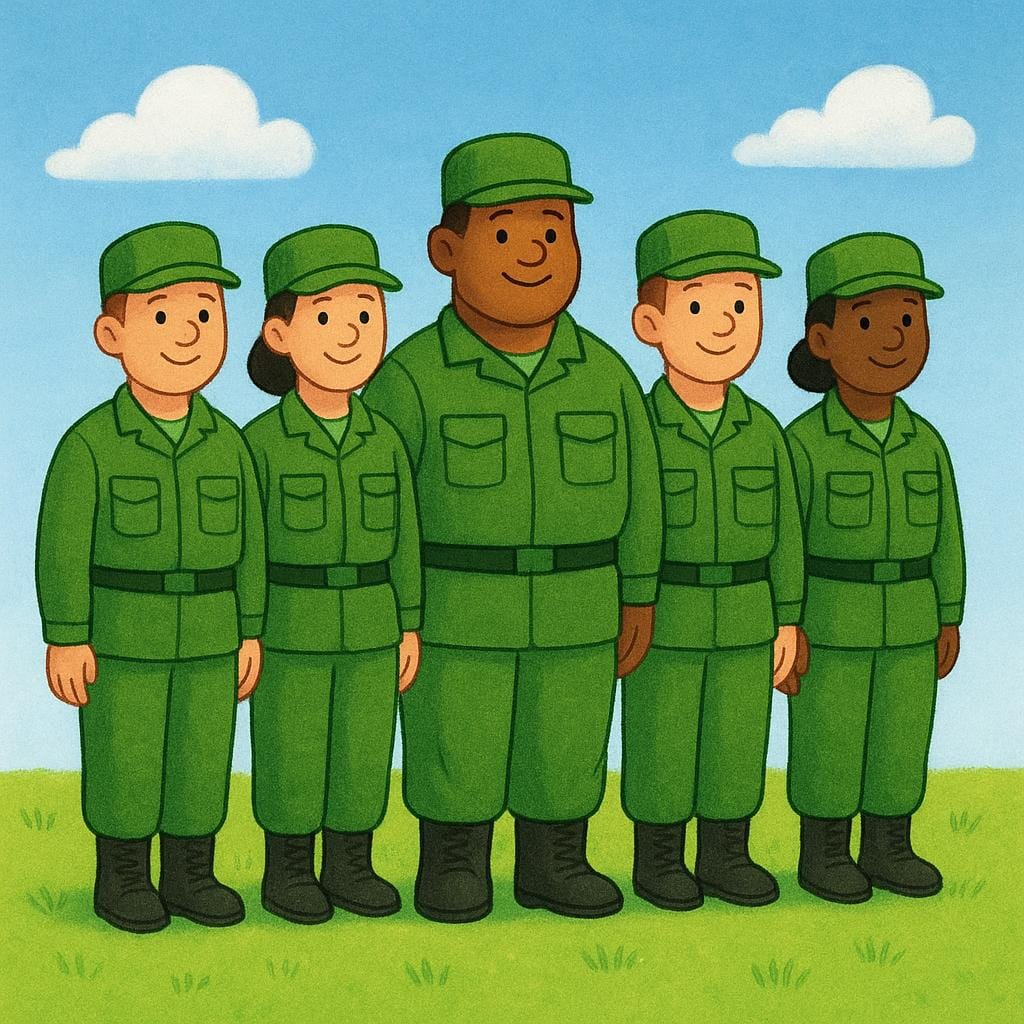
El sargento ordenó al pelotón marchar a la posición.
The sergeant ordered the platoon to march to the position.
Un pelotón de policías llegó para controlar la situación.
A squad of police officers arrived to control the situation.
Masculine Noun Rule
Even though it refers to a group of people, 'pelotón' is always a masculine noun, so it takes masculine articles and adjectives (e.g., 'el pelotón', 'un pelotón grande').
selección
seh-lek-SYONse.lekˈsjon
Examples
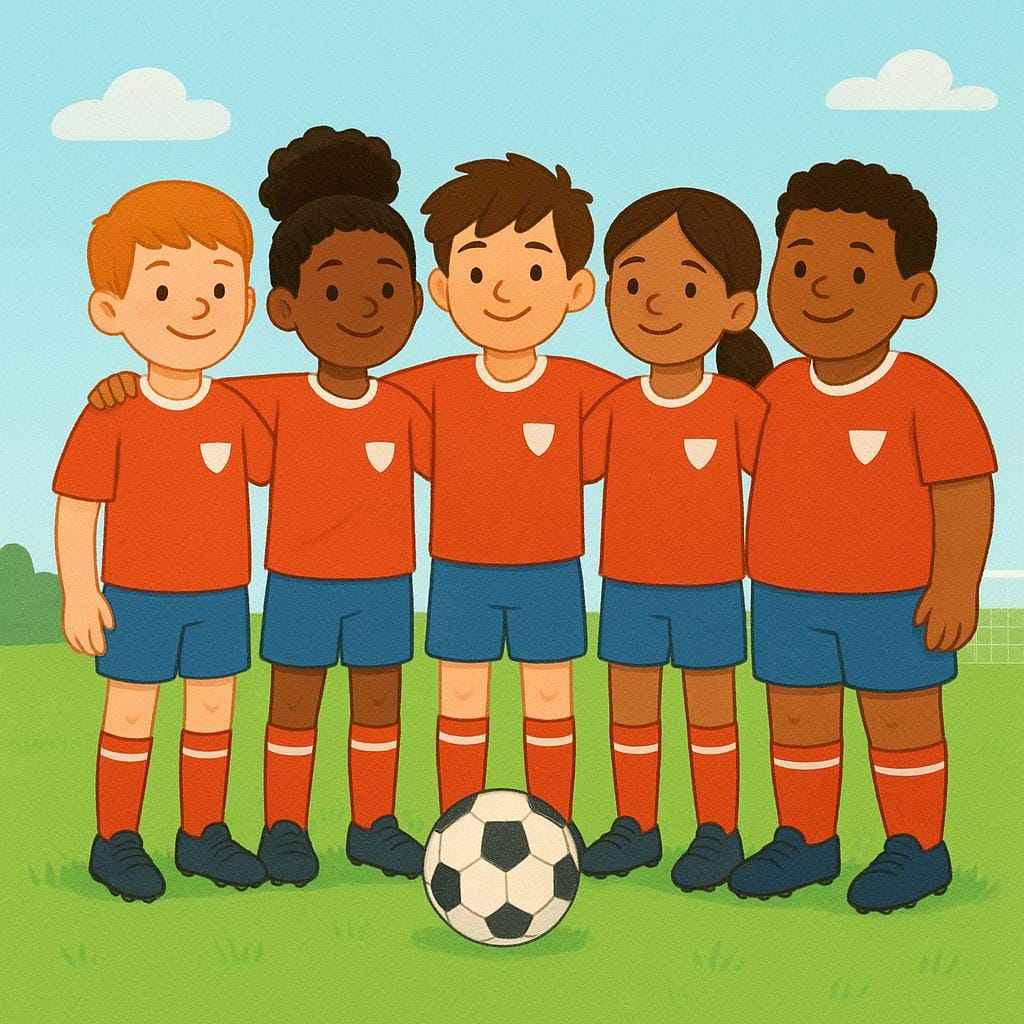
La selección argentina ganó la Copa del Mundo.
The Argentine national team won the World Cup.
Mañana juega la selección.
The national team plays tomorrow.
Collective Nouns
Even though 'la selección' refers to a whole team of players, the verb that follows it should stay singular: 'La selección juega' (The team plays).
brigada
bree-GAH-dahbɾiˈɣaða

Examples
La brigada de limpieza llegó a las seis de la mañana.
The cleaning crew arrived at six in the morning.
Necesitamos una brigada de voluntarios para pintar la escuela.
We need a team of volunteers to paint the school.
El jefe de brigada revisó el plan de trabajo.
The team leader reviewed the work plan.
Feminine Noun
Even though a 'brigada' is often made up of men and women, the word itself is always feminine, so you must use 'la brigada' or 'una brigada'.
plantel
plan-TELplanˈtel

Examples
El equipo renovó a todo su plantel para la nueva temporada.
The team renewed its entire squad for the new season.
El plantel docente se reunirá mañana para discutir los cambios.
The teaching staff will meet tomorrow to discuss the changes.
Contamos con un plantel de expertos en tecnología.
We have a staff of technology experts.
A group word
Even though 'plantel' refers to many people, the word itself is singular. Use singular verbs, like 'El plantel está listo' (The squad is ready).
Professional touch
While 'equipo' means team, 'plantel' sounds more official or professional, often used in news reports or formal business contexts.
Referring to one person
Mistake: “Él es un buen plantel.”
Correction: Él es parte del plantel.
cuadro
KWAA-drohˈkwaðɾo

Examples
Necesitamos reforzar el cuadro directivo de la empresa.
We need to reinforce the company's management staff.
El entrenador cambió el cuadro titular antes del partido.
The coach changed the starting squad before the match.
Collective Noun
In this context, 'cuadro' refers to a group of people, acting as a collective noun, similar to 'team' or 'staff' in English.
batallón
ba-ta-YOHNbataˈjon
Examples
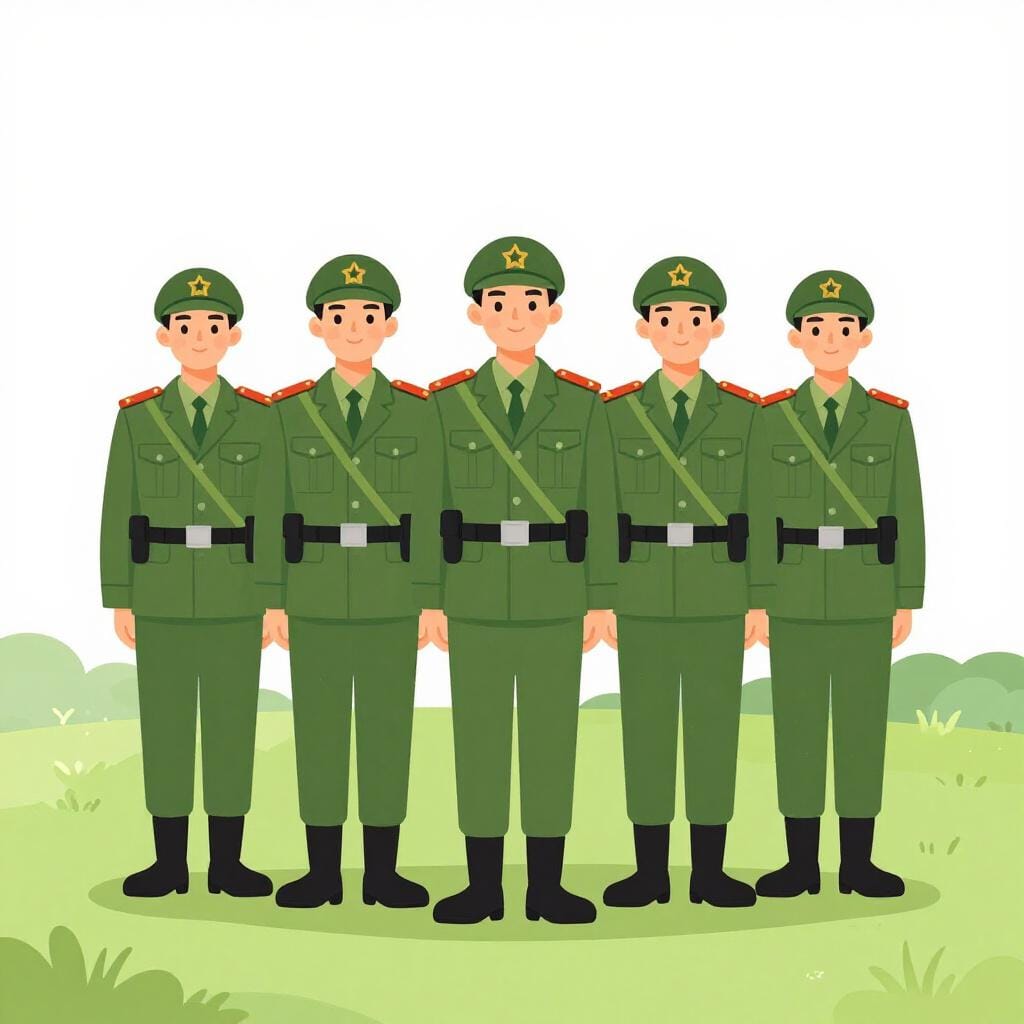
El batallón avanzó hacia la frontera al amanecer.
The battalion advanced toward the border at dawn.
Mi abuelo perteneció a un batallón de infantería.
My grandfather belonged to an infantry battalion.
Identifying Gender
Words ending in '-ón' are almost always masculine, so you use 'el' or 'un'.
comando
koh-MAHN-dohkoˈmando
Examples
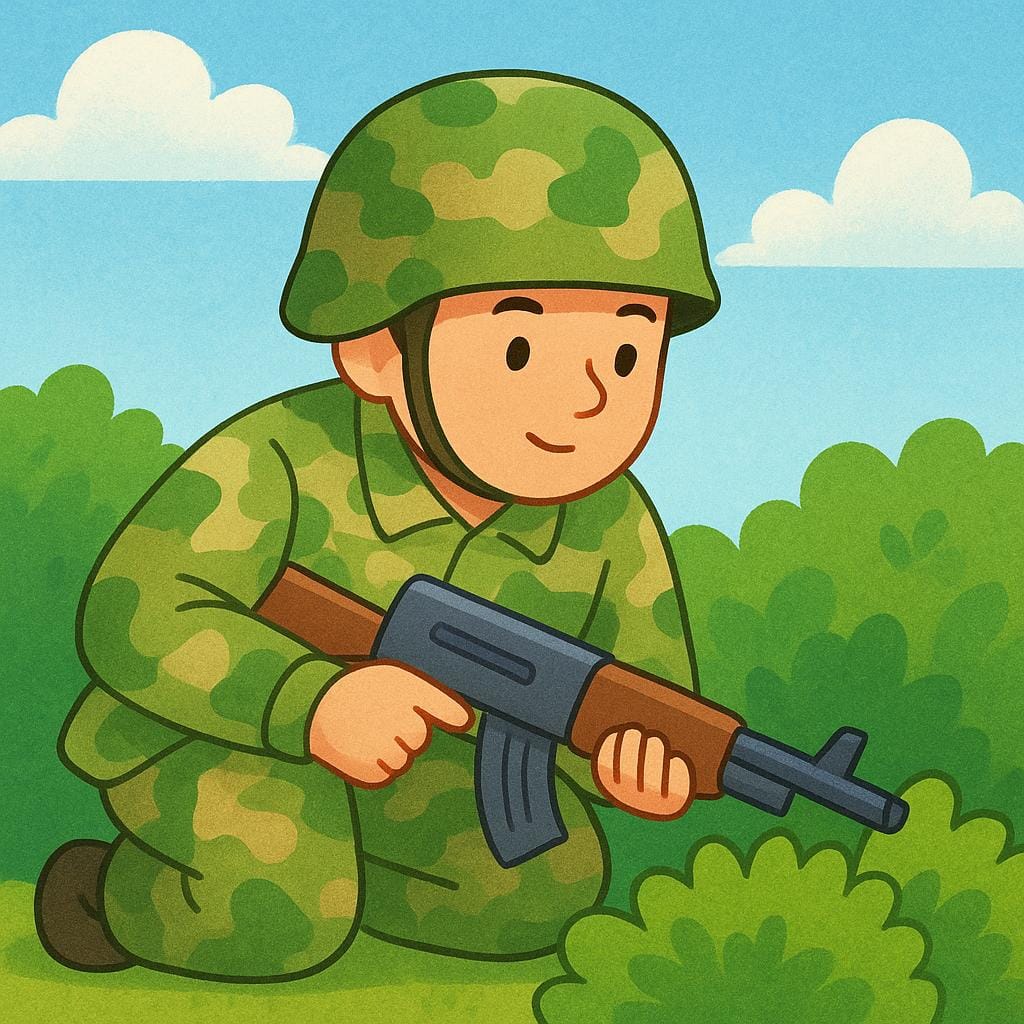
El comando de élite realizó una operación secreta en la madrugada.
The elite commando unit carried out a secret operation at dawn.
Atraparon a los criminales gracias a un comando policial.
They caught the criminals thanks to a police squad.
El soldado es parte de un comando antiterrorista.
The soldier is part of an anti-terrorist commando team.
Masculine Noun Rule
Even though 'comando' ends in '-o', it is always a masculine noun, meaning you use 'el' (the) and 'un' (a/an) with it: 'el comando'.
seleccionado
seh-lek-syon-AH-dohseleksjoˈnaðo

Examples
El seleccionado argentino llegó hoy al país.
The Argentine national team arrived in the country today.
Varios seleccionados están lesionados para el próximo partido.
Several national team players are injured for the next match.
Es el sueño de todo joven ser un seleccionado nacional.
It is every young person's dream to be a national team player.
Group vs. Individual
In many countries, 'el seleccionado' refers to the whole team as one unit. If you are talking about just one player, you also say 'un seleccionado'.
Military vs. Sports vs. Work Groups
Related Translations
Learn Spanish with Inklingo
Interactive stories, personalized learning, and more.