How to Say "staff" in Spanish
The most common Spanish word for “staff” is “empleados” — use 'empleados' when referring to the general collective body of workers in any company or organization.








empleados
em-ple-AH-dosem.pleˈa.ðos

Examples
La empresa tiene cien empleados nuevos este año.
The company has one hundred new employees this year.
Los empleados de esta tienda son muy amables.
The staff (employees) at this store are very kind.
Necesitamos capacitar a todos los empleados antes de la apertura.
We need to train all the personnel before the opening.
Gender and Number
Since this word ends in '-os', it is plural (more than one) and masculine. If you are referring only to female staff, you must use 'empleadas'.
Confusing 'empleados' and 'empleo'
Mistake: “Mi jefe tiene muchos empleos. (My boss has many jobs.)”
Correction: Mi jefe tiene muchos empleados. ('Empleo' means 'job' or 'employment'; 'empleado' is the person who holds the job.)
personal
per-so-NALpeɾso'nal

Examples
Todo el personal de la tienda es muy amable.
All the store's staff is very friendly.
El departamento de recursos humanos se encarga del personal.
The human resources department is in charge of the personnel.
Se necesita contratar más personal para el proyecto.
We need to hire more staff for the project.
A Group is One Thing
Even though 'el personal' refers to a group of people, Spanish treats it as a single unit. So, you use singular verbs with it: 'El personal es...' (The staff is...), not 'El personal son...'
Using a Plural Verb
Mistake: “El personal están en la reunión.”
Correction: El personal está en la reunión. Think of 'the staff' as one group or 'it'. You would say 'it is', not 'it are'.
plantilla
plan-TEE-yahplanˈtiʝa

Examples
La empresa tiene una plantilla de cincuenta empleados.
The company has a staff of fifty employees.
El Real Madrid anunció su plantilla para la Champions.
Real Madrid announced its roster for the Champions League.
Es difícil mantener una plantilla motivada.
It is difficult to keep a workforce motivated.
Group Noun
Like the word 'family,' 'plantilla' is a single group. Even though it means many people, the verb stays singular: 'La plantilla es...' (The staff is...).
Confusing with Personal
Mistake: “Saying 'mi personal' when you mean your specific group of coworkers.”
Correction: Use 'mi plantilla' or 'mis compañeros' for a specific work group.
miembros
mee-EHM-brosˈmjem.bɾos

Examples
Todos los miembros de la familia asistieron a la reunión.
All the family members attended the meeting.
Los nuevos miembros del club pagaron su cuota anual.
The new members of the club paid their annual fee.
Ella es uno de los miembros más activos del comité.
She is one of the most active members of the committee.
Plural Noun Rule
Remember that 'miembros' is the plural form of 'miembro' (member). Since it ends in a vowel, you just add '-s'.
Gender Confusion
Mistake: “La miembro (when referring to a female member)”
Correction: Miembro is always masculine, even if referring to a woman: 'La mujer es un miembro del equipo' (The woman is a member of the team). Use 'la' for the woman, but 'miembro' stays the same.
cuadro
KWAA-drohˈkwaðɾo

Examples
Necesitamos reforzar el cuadro directivo de la empresa.
We need to reinforce the company's management staff.
El entrenador cambió el cuadro titular antes del partido.
The coach changed the starting squad before the match.
Collective Noun
In this context, 'cuadro' refers to a group of people, acting as a collective noun, similar to 'team' or 'staff' in English.
plantel
plan-TELplanˈtel

Examples
El equipo renovó a todo su plantel para la nueva temporada.
The team renewed its entire squad for the new season.
El plantel docente se reunirá mañana para discutir los cambios.
The teaching staff will meet tomorrow to discuss the changes.
Contamos con un plantel de expertos en tecnología.
We have a staff of technology experts.
A group word
Even though 'plantel' refers to many people, the word itself is singular. Use singular verbs, like 'El plantel está listo' (The squad is ready).
Professional touch
While 'equipo' means team, 'plantel' sounds more official or professional, often used in news reports or formal business contexts.
Referring to one person
Mistake: “Él es un buen plantel.”
Correction: Él es parte del plantel.
agentes
ah-HEN-tehsaˈxentes

Examples
Los agentes de viajes nos ayudaron a reservar el vuelo.
The travel agents helped us book the flight.
Los agentes inmobiliarios mostraron varias casas.
The real estate agents showed several houses.
Necesitamos más agentes de atención al cliente para responder las llamadas.
We need more customer service agents to answer the calls.
Gender Note
Even though 'agente' can refer to a man or a woman, the plural form 'agentes' is grammatically masculine when referring to a mixed group or generally.
plana
PLAH-nahˈplana

Examples
El albañil usa la plana para alisar el cemento.
The mason uses the trowel to smooth the cement.
La plana mayor de la empresa decidió cambiar la estrategia.
The senior management of the company decided to change the strategy.
pauta
POW-tahˈpaw.ta
Examples
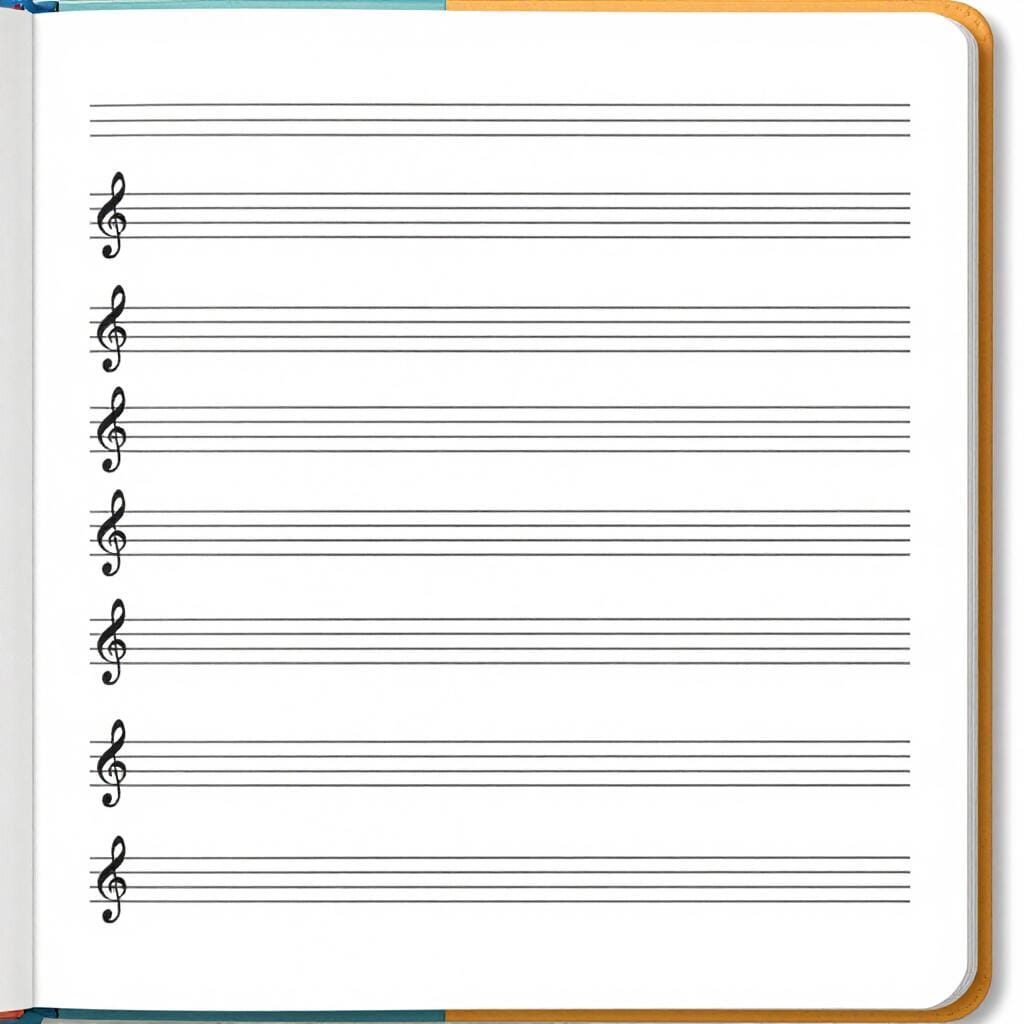
El músico escribió las notas sobre la pauta.
The musician wrote the notes on the staff.
Si no usas una pauta, vas a escribir torcido.
If you don't use ruled lines, you are going to write crookedly.
Concrete vs. Abstract
This is the physical version of the word: actual lines on paper, whereas the other meaning is an abstract 'rule'.
General Staff vs. Specific Roles
Related Translations
Learn Spanish with Inklingo
Interactive stories, personalized learning, and more.