How to Say "pattern" in Spanish
The most common Spanish word for “pattern” is “patrón” — use 'patrón' when referring to a visual design that repeats, like on fabric, or a repeatable sequence of events or actions.




patrón
Examples
El vestido tiene un patrón floral muy bonito.
The dress has a very beautiful floral pattern.
diseño
Examples
El diseño de la casa es muy moderno.
The design of the house is very modern.
modelo
mo-DEH-lohmoˈðelo

Examples
Este nuevo modelo de coche es más eficiente.
This new model of car is more efficient.
Su ética de trabajo es un modelo para todos nosotros.
His work ethic is a model/example for all of us.
Necesito una copia del modelo de solicitud.
I need a copy of the application form/template.
Always Masculine
When 'modelo' means a prototype or design, it is always a masculine noun: 'el modelo', even if the thing it describes is feminine.
Confusing Noun and Adjective
Mistake: “Usar 'modelo' como adjetivo de calidad (e.g., 'una casa modelo').”
Correction: Use 'ejemplar' or place 'modelo' correctly as a noun modifier: 'una casa que sirve de modelo'.
pauta
POW-tahˈpaw.ta

Examples
El médico me dio una pauta para tomar la medicina.
The doctor gave me a guideline for taking the medicine.
Las pautas de comportamiento han cambiado mucho en esta década.
Behavioral patterns have changed a lot in this decade.
Esta empresa siempre marca la pauta en el sector tecnológico.
This company always sets the standard in the tech sector.
Often Plural
When talking about general rules or instructions, we usually use the plural form 'pautas'.
Used with 'dar' or 'seguir'
You commonly 'give' (dar) or 'follow' (seguir) a 'pauta', similar to how you follow a recipe or a schedule.
Pauta vs. Regla
Mistake: “Using 'regla' for a doctor's suggestion.”
Correction: Use 'pauta' for flexible guidelines or schedules, and 'regla' for strict, unbreakable laws.
plantilla
plan-TEE-yahplanˈtiʝa
Examples
He descargado una plantilla para mi currículum.
I have downloaded a template for my CV.
Puedes usar esta plantilla de Excel para tus gastos.
You can use this Excel template for your expenses.
Dibujamos las letras usando una plantilla de cartón.
We drew the letters using a cardboard stencil.
Always Feminine
Even when used in technical or sports contexts, it's always a feminine word. Use 'la' or 'una'.
Plural Form
To talk about more than one, simply add an 's' to make 'plantillas'.
False Friend Alert
Mistake: “Using 'témpano' or 'témpera' for template.”
Correction: Use 'plantilla'. In Spanish, 'témpano' is an iceberg and 'témpera' is a type of paint.
esquema
es-KE-maesˈkema

Examples
Esa noticia rompió todos mis esquemas.
That news broke all my preconceived ideas.
El esquema de trabajo ha cambiado este año.
The work pattern has changed this year.
Debemos salir del esquema tradicional.
We must step outside the traditional framework.
Abstract Use
When used in the plural ('esquemas'), it often refers to a person's mental habits or society's established ways of doing things.
Confusing with 'Resumen'
Mistake: “El esquema de la película fue bueno.”
Correction: El resumen de la película fue bueno. Use 'resumen' for a story summary and 'esquema' for a structured plan or logical framework.
molde
MOL-dehˈmolde
Examples
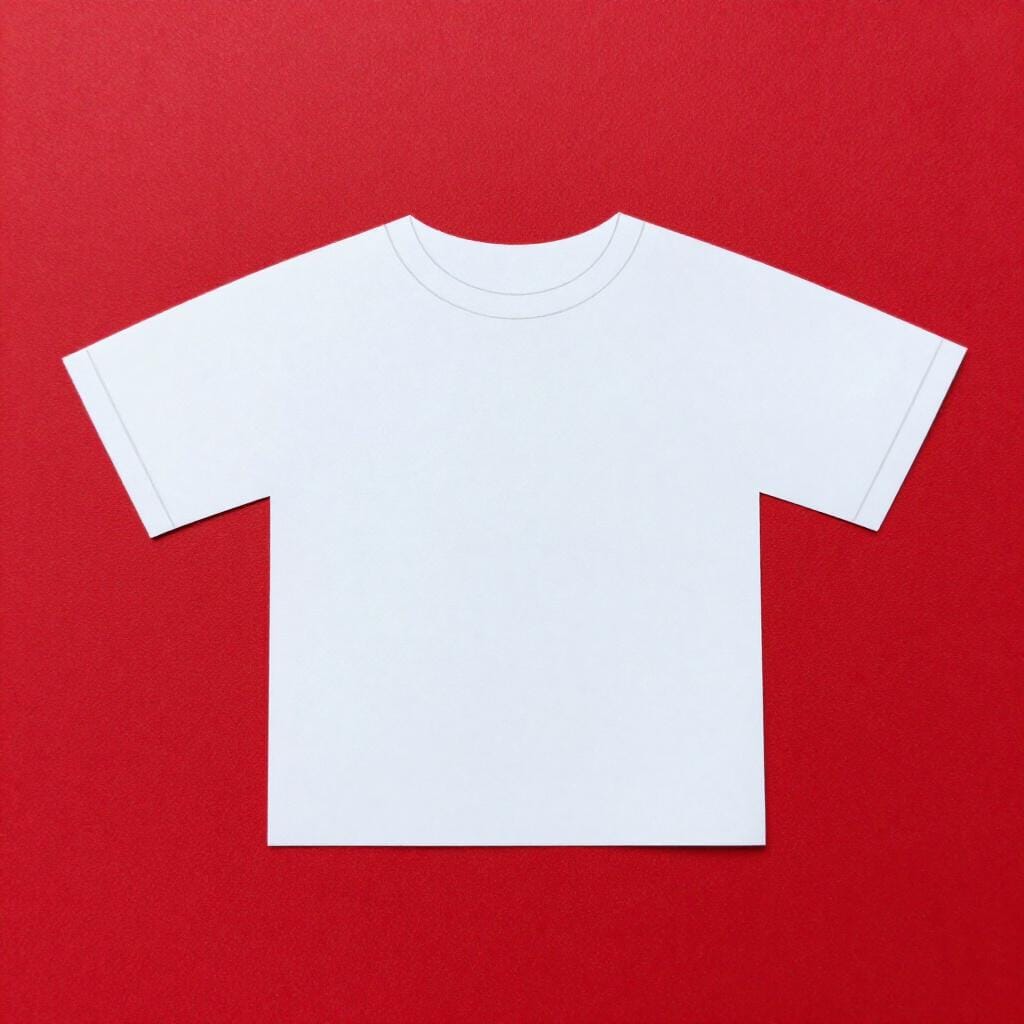
Ella no sigue el molde tradicional de su familia.
She doesn't follow her family's traditional pattern.
Ese artista realmente rompió el molde.
That artist really broke the mold.
Sus ideas no encajan en el molde de la sociedad actual.
His ideas don't fit into the mold of today's society.
Abstract use
When using 'molde' figuratively, it behaves exactly like the physical version but describes people's behaviors or societal expectations.
estructura
ess-troo-KTOO-rahes.tɾukˈtu.ɾa
Examples
El lingüista analizó la estructura sintáctica de la frase.
The linguist analyzed the syntactic framework of the sentence.
La estructura narrativa de la película era muy innovadora.
The narrative structure of the film was very innovative.
Conceptual Use
When talking about how ideas or language rules fit together, 'estructura' refers to the underlying rules or arrangement, not just the surface appearance.
síndrome
Examples
Ella sufre del síndrome del impostor y no cree en su propio talento.
She suffers from imposter syndrome and doesn't believe in her own talent.
paradigma
pah-rah-DEEG-mahpaɾaˈðiɣma

Examples
El paradigma de los verbos en -ar es muy regular.
The pattern for -ar verbs is very regular.
Debes aprender el paradigma completo del verbo 'ser'.
You must learn the complete set of forms for the verb 'ser'.
What it means in grammar
In a grammar class, a paradigm is just a list showing how a word changes (like 'hablo, hablas, habla...').
Patrón vs. Diseño
Related Translations
Learn Spanish with Inklingo
Interactive stories, personalized learning, and more.