pelotón
“pelotón” means “platoon” in Spanish. It has 2 different meanings depending on context:

platoon, squad
Also: detachment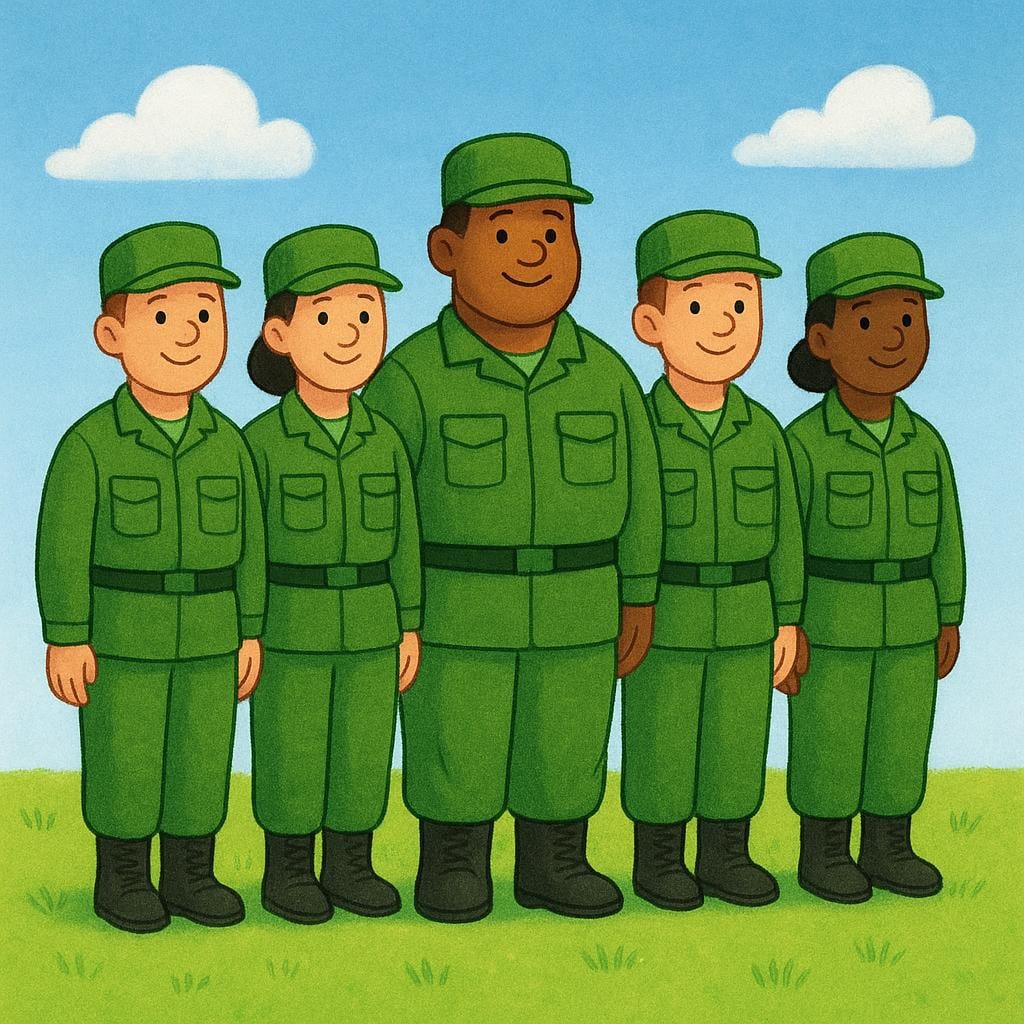
📝 In Action
El sargento ordenó al pelotón marchar a la posición.
B1The sergeant ordered the platoon to march to the position.
Un pelotón de policías llegó para controlar la situación.
B2A squad of police officers arrived to control the situation.
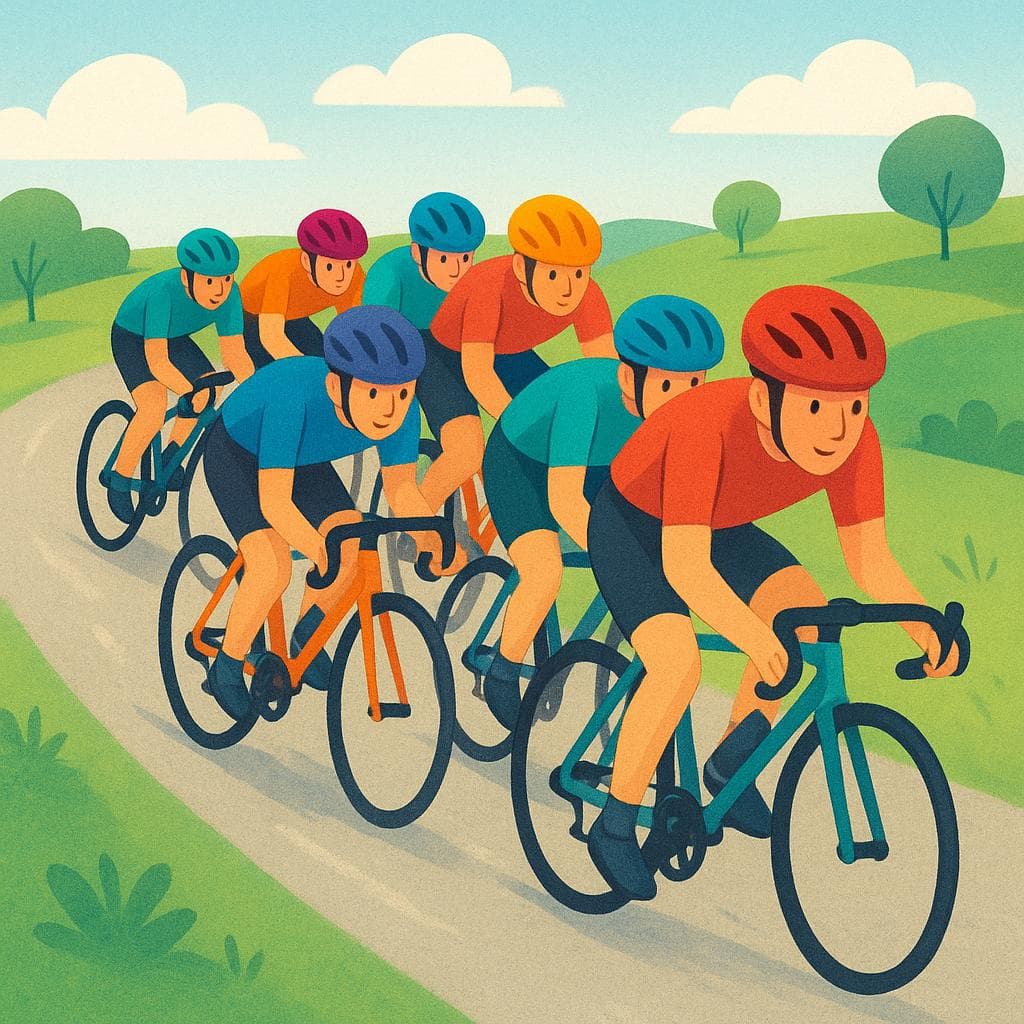
peloton, pack
Also: main group
📝 In Action
El ciclista logró mantenerse con el pelotón a pesar del fuerte viento.
B2The cyclist managed to stay with the peloton despite the strong wind.
El líder de la carrera se despegó del pelotón en el último ascenso.
C1The race leader broke away from the pack on the final climb.
Translate to Spanish
✏️ Quick Practice
Quick Quiz: pelotón
Question 1 of 2
Which meaning of 'pelotón' is most relevant when discussing the Tour de France?
📚 More Resources
👥 Word Family▼
🎵 Rhymes▼
📚 Etymology▼
The word comes from 'pelota' (ball) combined with the augmentative suffix '-ón', which means 'big'. It literally translates to something like 'big ball' or 'large cluster,' referring to a compact, dense mass of people or things.
First recorded: 18th century (in the military context)
💡 Master Spanish
Take your Spanish to the next level. Read 200+ illustrated and narrated Spanish stories tailored to your level with the Inklingo app!
Frequently Asked Questions
Is 'pelotón' ever used to describe a crowd of regular people?
While it technically means a dense cluster, it's almost always reserved for organized groups: military, police, or athletes. For a regular crowd, you would use words like 'multitud' (multitude) or 'grupo' (group).
Since it ends in -ón, is it always masculine?
Yes. Most nouns ending in -ón (which often signifies something large) are masculine in Spanish, and 'pelotón' follows this rule.