How to Say "they cause" in Spanish
The most common Spanish word for “they cause” is “hacen” — use 'hacen' when 'they cause' refers to actively producing an effect or making something happen, similar to 'they make' or 'they do'.

hacen
AH-senˈa.sen
Examples
Sus chistes siempre me hacen reír.
Their jokes always make me laugh.
Las películas tristes hacen llorar a mi hermana.
Sad movies make my sister cry.
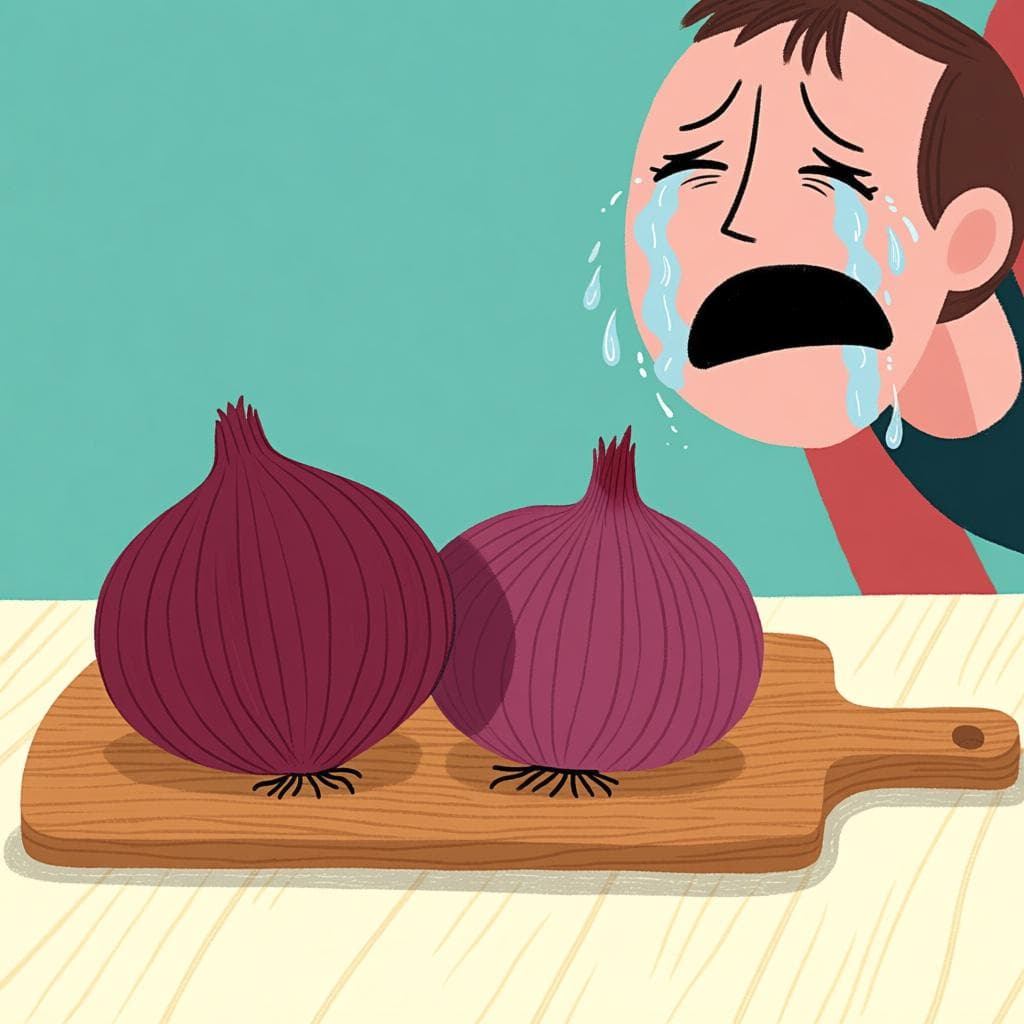
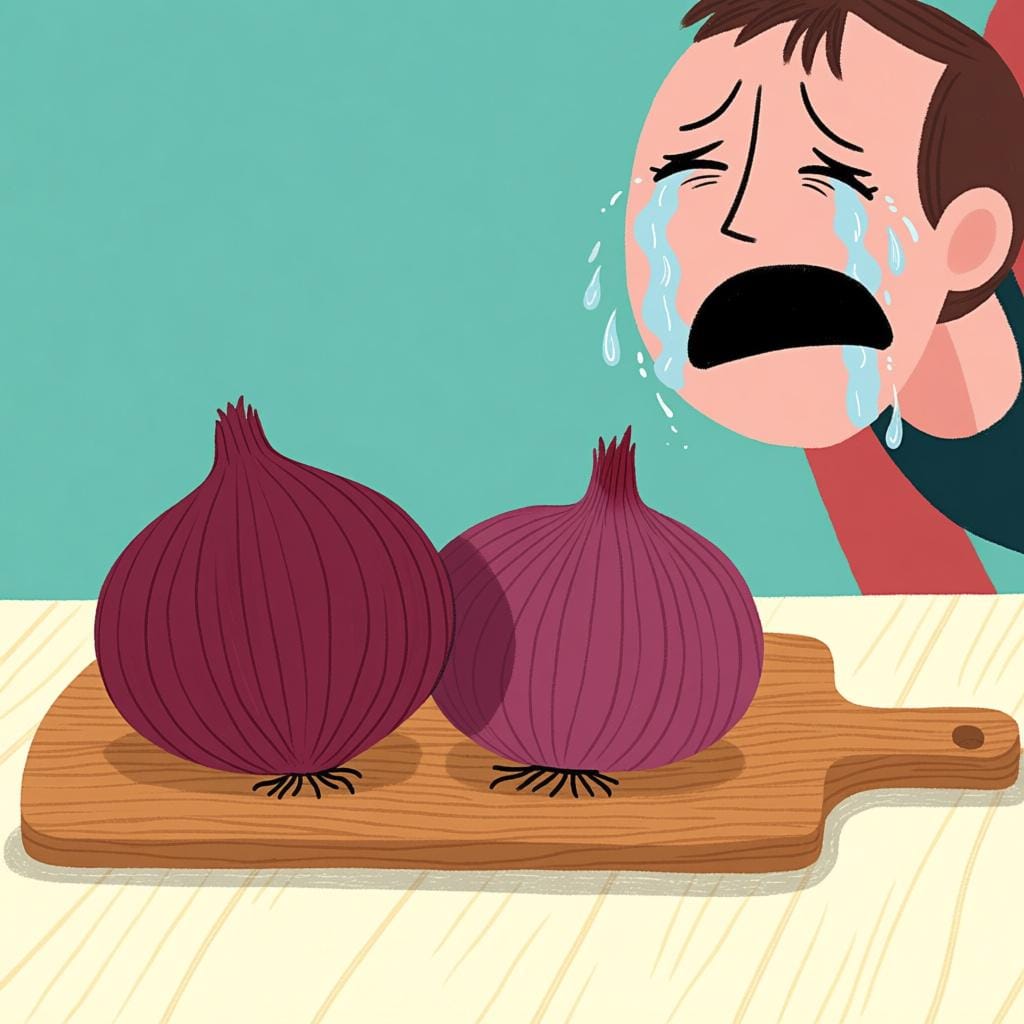
Las cebollas te hacen llorar.
Onions make you cry.
Sentence Structure: 'Make someone do something'
The pattern is: [The cause] + hacen + [the other verb in its base form]. For example, 'Los chistes (cause) hacen reír (base form)'.
traen
tra-enˈtɾa.en

Examples
Estos cambios traen mucha confusión a los empleados.
These changes cause a lot of confusion for the employees.
Las nuevas regulaciones traen consigo serios desafíos.
The new regulations bring serious challenges with them (implying 'result in').
Figurative Use
In this sense, 'traen' acts like 'causan' or 'producen'. It describes an abstract result rather than a physical movement.
Hacen vs. Traen for 'they cause'
Related Translations
Learn Spanish with Inklingo
Interactive stories, personalized learning, and more.