How to Say "they concern" in Spanish
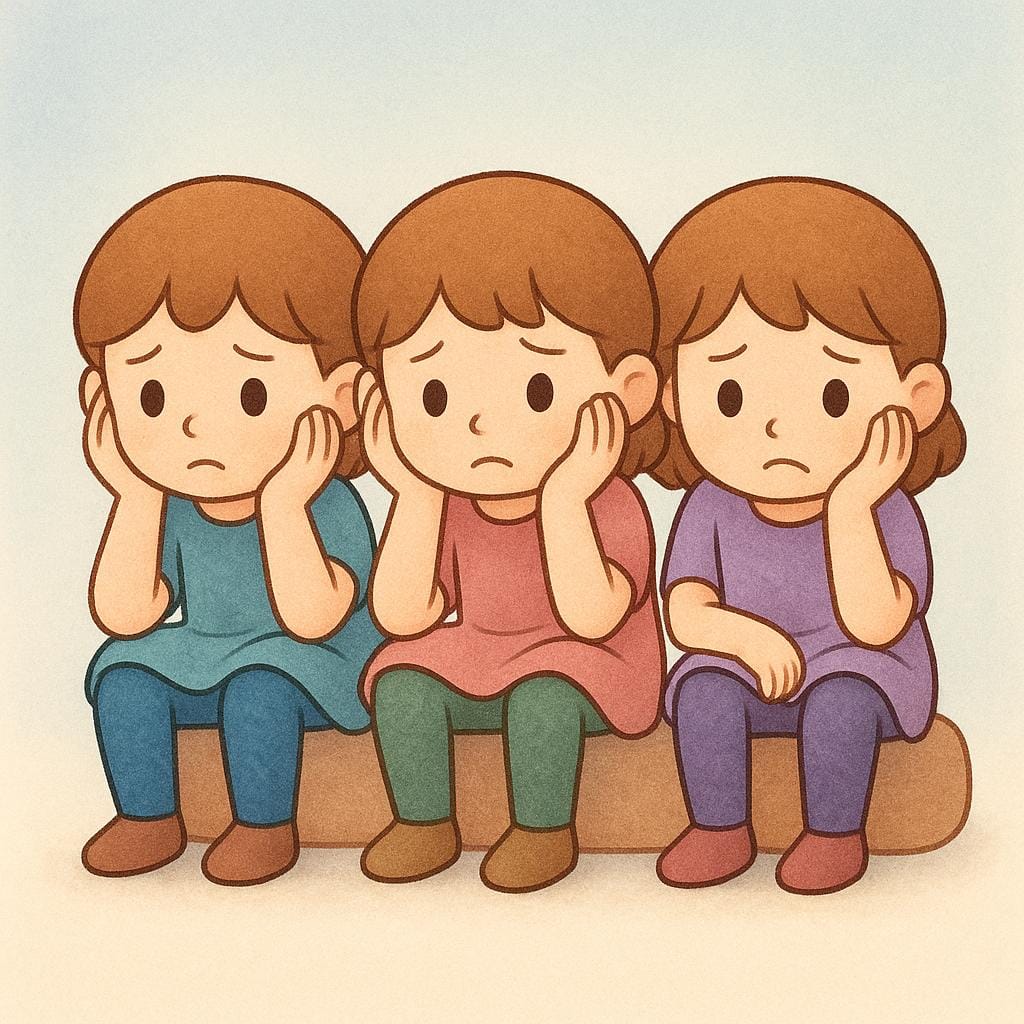
The most common Spanish word for “they concern” is “preocupan” — use 'preocupan' when 'they concern' refers to things that cause worry or anxiety, like problems or bad news.


preocupan
preh-oh-KOO-pahnpɾeoˈkupan
Examples
Las noticias sobre la economía me preocupan.
The news about the economy concerns me.
Los resultados de las elecciones me preocupan mucho.
The election results worry me a lot.
¿Esos ruidos extraños te preocupan a ti también?
Do those strange noises worry you too?
Mis padres dicen que las notas de mi hermano no les preocupan.
My parents say my brother's grades don't concern them.
Subject-Verb Agreement (Plural)
Since this form ends in '-an' (third-person plural), the things that are causing the worry must be plural (e.g., 'los ruidos,' 'las noticias,' or 'ellos').
The 'Gustar' Structure
Like the verb 'gustar' (to like), 'preocupar' is often used 'backward' in Spanish: the plural thing causing the emotion is the subject ('preocupan'), and the person feeling the emotion is the indirect object pronoun ('me', 'te', 'le', etc.).
Confusing Active vs. Reflexive
Mistake: “Using 'preocupan' when you mean 'they worry themselves' (e.g., 'Ellos preocupan por el examen').”
Correction: Use the reflexive form 'se preocupan' when the people are worrying themselves: 'Ellos se preocupan por el examen' (They worry about the exam).
tratan
TRAH-tahnˈtɾa.tan

Examples
Estos libros tratan sobre la historia de España.
These books concern the history of Spain.
¿De qué tratan estas películas?
What are these movies about?
Los documentos tratan sobre la nueva política ambiental.
The documents are about the new environmental policy.
Las noticias tratan temas muy delicados hoy.
The news deals with very sensitive topics today.
Using 'De'
When 'tratar' means 'be about,' it is almost always followed by the preposition 'de' or 'sobre' to introduce the topic.
Worry vs. Subject
Related Translations
Learn Spanish with Inklingo
Interactive stories, personalized learning, and more.