How to Say "to straighten" in Spanish
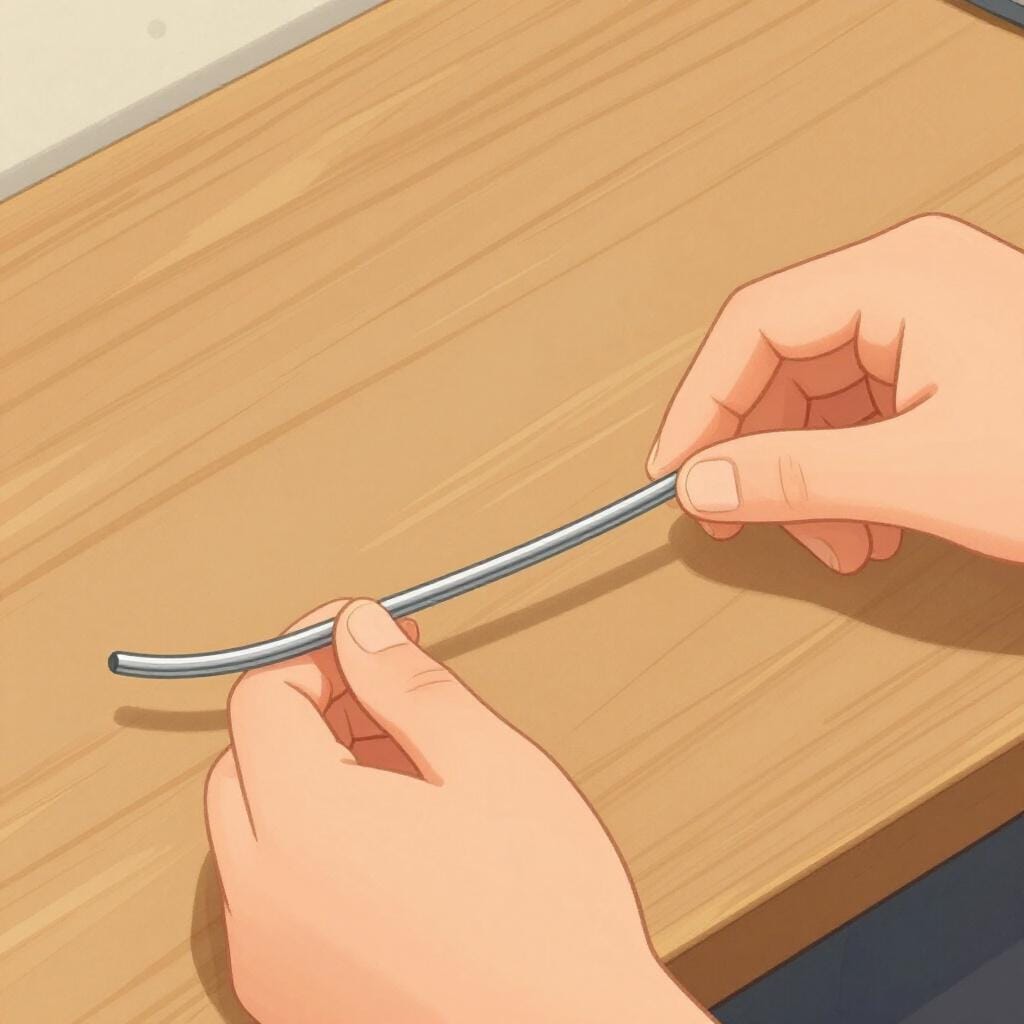
The most common Spanish word for “to straighten” is “enderezar” — use 'enderezar' when you are physically making something that is bent, crooked, or leaning become straight.
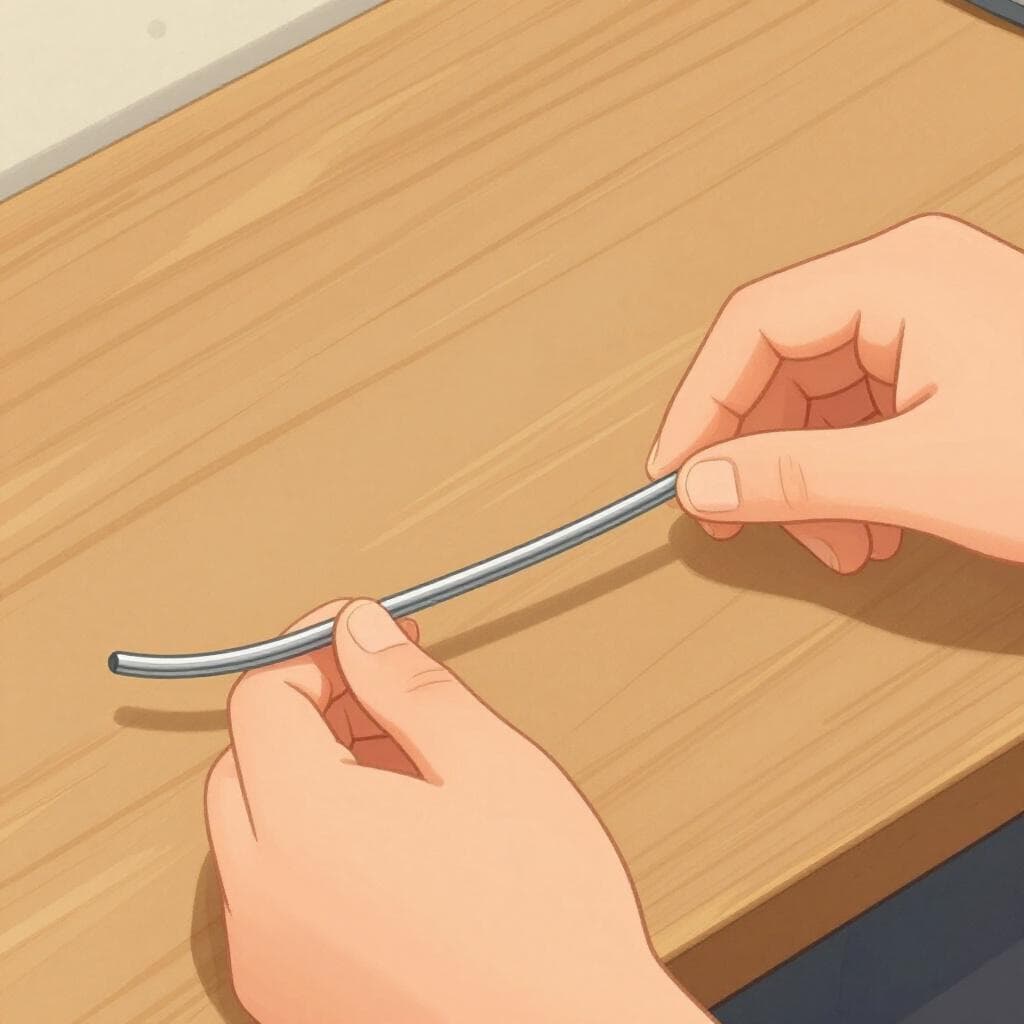
Use 'enderezar' when you are physically making something that is bent, crooked, or leaning become straight.
Learn more →
Use 'rectificar' to correct or adjust something that is wrong, inaccurate, or not in the correct line, often referring to information or a course of action.
Learn more →en-deh-reh-SARendeɾeˈsaɾ
Examples
Por favor, enderézate; estás encorvado.
Please straighten up; you are slouching.
Tienes que enderezar el cuadro; está un poco torcido.
You have to straighten the picture; it's a bit crooked.
Él se enderezó para parecer más alto.
He straightened himself up to look taller.
El mecánico tuvo que enderezar el parachoques del coche.
The mechanic had to straighten the car's bumper.
The Z to C Spelling Swap
When the letter 'z' meets an 'e' (like in the past 'yo' form 'enderecé'), it changes to a 'c' to keep the sound consistent. It's still the same word, just a spelling rule!
Using it Reflexively
When you want to say 'straighten yourself up' or 'stand up straight,' you must add 'se' to the end (enderezarse). Example: '¡Enderezate!' (Straighten up!)
The 'Yo' Form Past Tense
Mistake: “Yo enderezé ayer.”
Correction: Yo enderecé ayer. (Always change 'z' to 'c' before 'e' in Spanish spelling).
rrek-tee-fee-karrekti.fiˈkaɾ

Examples
El informe contenía errores y tuvo que ser rectificado.
The report contained errors and had to be rectified.
El periódico tuvo que rectificar la noticia al día siguiente.
The newspaper had to correct the news story the following day.
Es de sabios rectificar cuando uno se equivoca.
It is wise to correct oneself when one is wrong.
El conductor rectificó la dirección del coche para evitar el bache.
The driver adjusted the car's direction to avoid the pothole.
Spelling Change in the Past
In the 'yo' form of the past tense (preterite), the 'c' changes to 'qu' (rectifiqué). This is just to keep the hard 'k' sound consistent.
Using it with Actions
Unlike 'corregir' which is often used for grading papers, 'rectificar' is more about fixing a specific error in logic, statement, or direction.
Spelling with 'c'
Mistake: “Yo rectificé.”
Correction: Yo rectifiqué. (In Spanish, 'ce' sounds like 'se', so we use 'que' to keep the 'ke' sound from the original word).
Physical vs. Corrective Actions
Learners often confuse 'enderezar' and 'rectificar' by using 'enderezar' for correcting mistakes or information. Remember, 'enderezar' is primarily for physical straightening, while 'rectificar' is for correcting errors or inaccuracies.
Related Translations
Learn Spanish with Inklingo
Interactive stories, personalized learning, and more.