How to Say "to suck" in Spanish
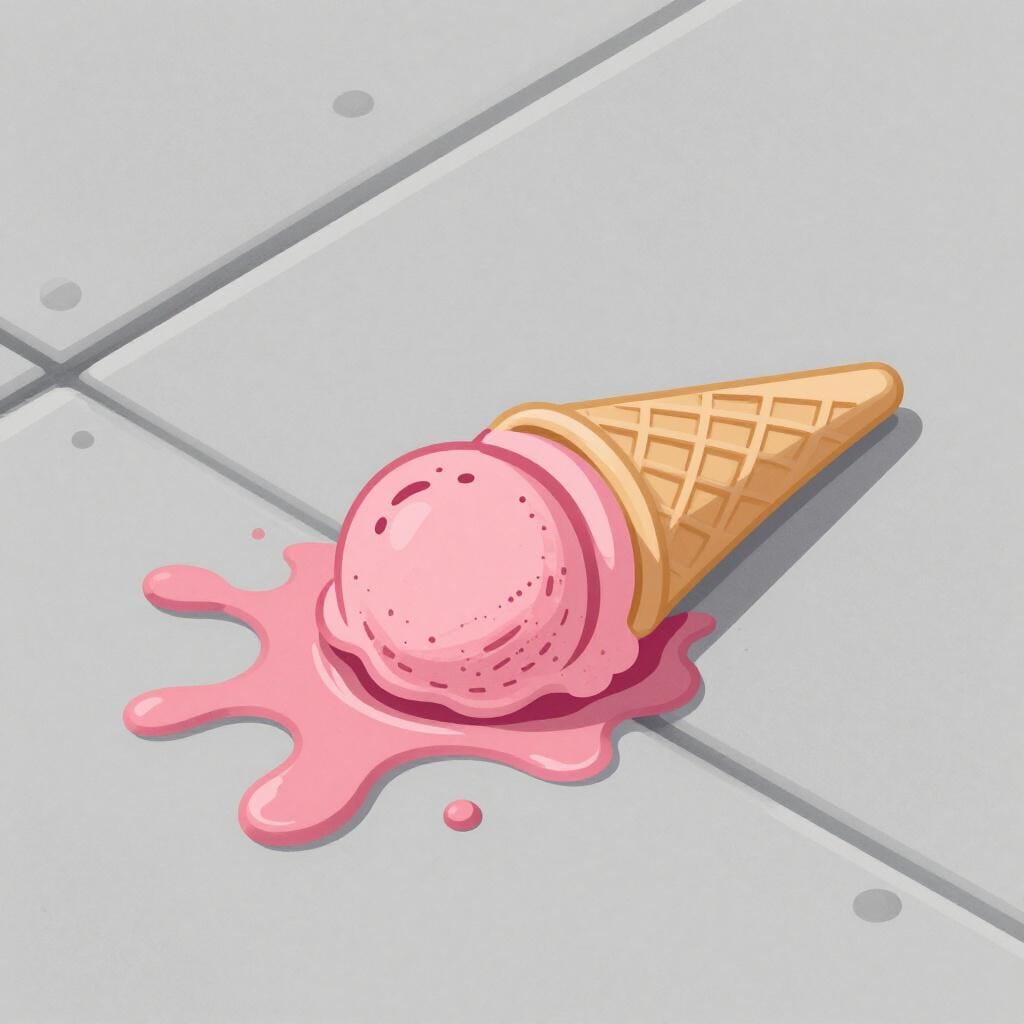
The most common Spanish word for “to suck” is “apestar” — use 'apestar' when you want to say that something is extremely bad, of very poor quality, or generally unpleasant, similar to the English slang 'to suck'.
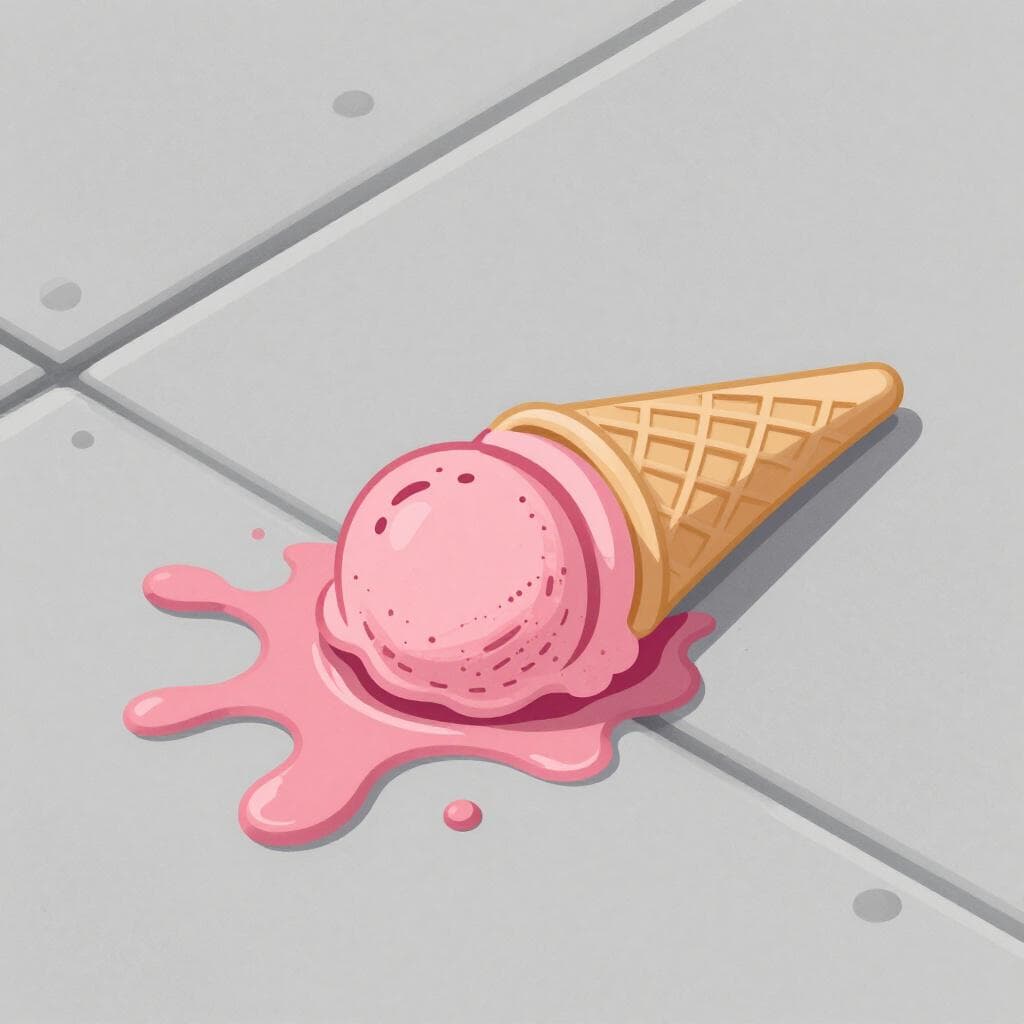
Use 'apestar' when you want to say that something is extremely bad, of very poor quality, or generally unpleasant, similar to the English slang 'to suck'.
Learn more →
Use 'chupar' for the physical action of drawing something into the mouth, like a baby with a pacifier or thumb, or sucking on candy.
Learn more →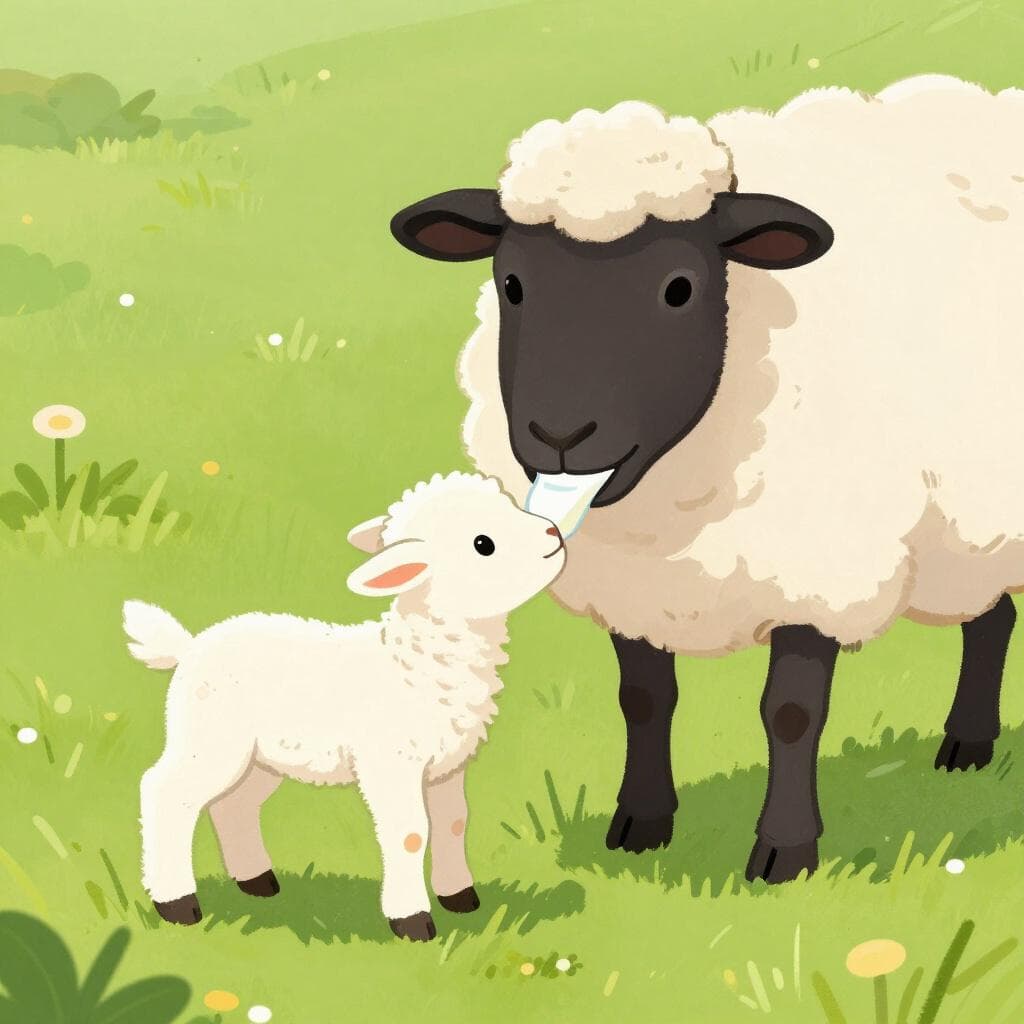
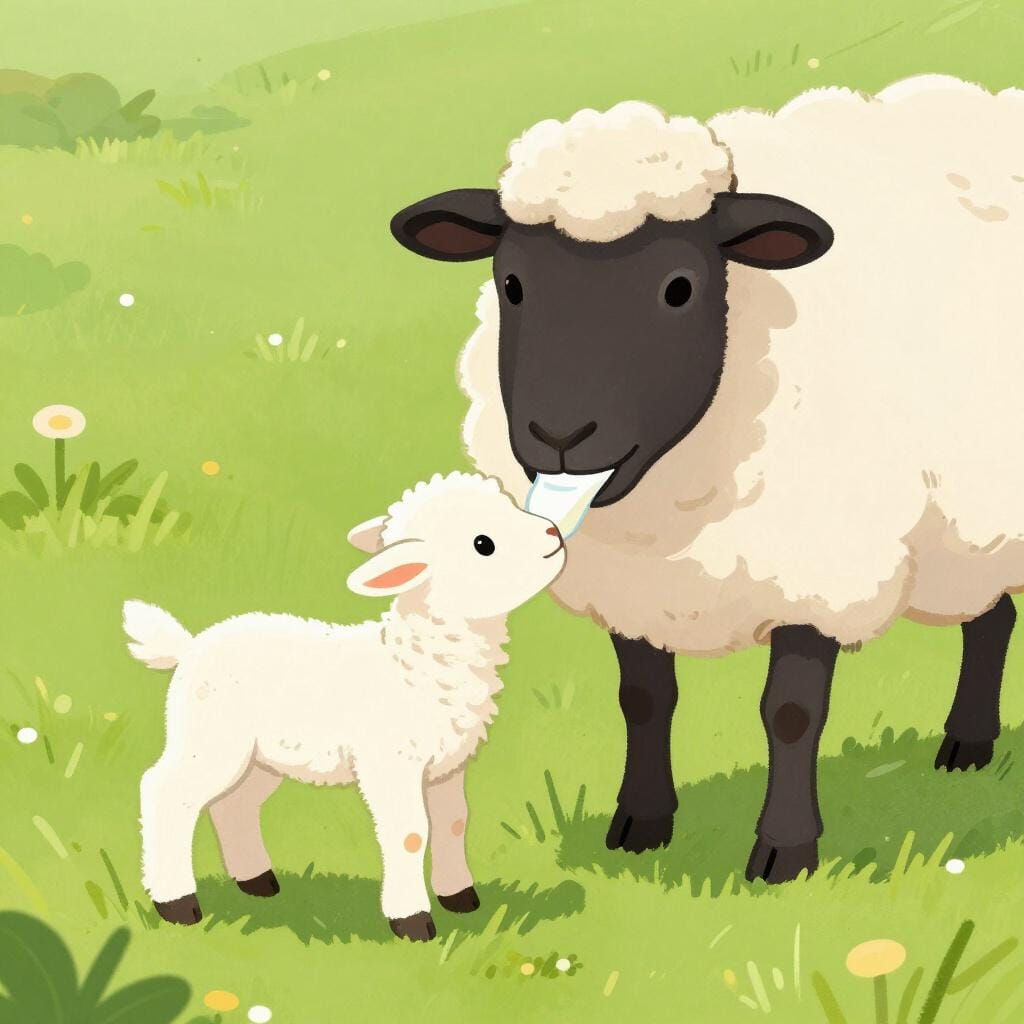
Use 'mamar' primarily for the biological act of nursing or breastfeeding, referring to a baby feeding from its mother.
Learn more →ah-peh-STARapesˈtaɾ
Examples
Este café apesta, ¡no lo volveré a comprar!
This coffee sucks, I won't buy it again!
Esta película apesta, vámonos del cine.
This movie sucks, let's leave the theater.
Mi conexión a internet apesta hoy.
My internet connection is awful today.
Tener que trabajar los domingos apesta.
Having to work on Sundays sucks.
Metaphorical use
Just like in English, words for 'smelling bad' are often used to mean something is of 'low quality'.
Using it in formal writing
Mistake: “La situación económica apesta.”
Correction: La situación económica es muy preocupante. Avoid using 'apestar' in professional settings as it sounds like slang.
choo-PAHRt͡ʃuˈpaɾ

Examples
Me gusta chupar caramelos duros.
I like to suck on hard candies.
El bebé se chupa el pulgar cuando tiene sueño.
The baby sucks his thumb when he is sleepy.
No te chupes los dedos, usa una servilleta.
Don't lick your fingers, use a napkin.
A los niños les gusta chupar caramelos de fresa.
Children like to suck on strawberry candies.
Doing it to yourself
When talking about sucking your own body part (like a thumb), you must add 'se' before the verb: 'Él SE chupa el dedo'.
Talking about body parts
In Spanish, we say 'el dedo' (the finger) rather than 'mi dedo' (my finger) when using this verb, because the 'se' already tells us whose finger it is.
Forgetting the 'se'
Mistake: “El niño chupa el dedo.”
Correction: El niño se chupa el dedo. Use 'se' to show the child is sucking his own finger.
mah-MAHRmaˈmaɾ
Examples
El ternero mama de su madre.
The calf nurses from its mother.
El bebé necesita mamar cada tres horas.
The baby needs to nurse every three hours.
Vimos a los perritos mamando de su madre.
We saw the puppies suckling from their mother.
El ternero dejó de mamar ayer.
The calf stopped nursing yesterday.
Biological Direction
'Mamar' is what the baby does (taking milk). To describe what the mother does (giving milk), use 'amamantar' or 'dar de mamar'.
Standard -AR Pattern
This verb follows the exact same patterns as 'hablar.' If you know one, you know the other!
Who is doing the action?
Mistake: “La madre está mamando.”
Correction: La madre está amamantando (or dando de mamar). 'Mamar' is the action of the one receiving the milk.
Slang vs. Physical Action
The most common mistake is using 'chupar' or 'mamar' to describe something being bad or unpleasant. Remember that only 'apestar' carries this negative, slang meaning. 'Chupar' and 'mamar' refer to literal, physical actions involving the mouth.
Related Translations
Learn Spanish with Inklingo
Interactive stories, personalized learning, and more.