How to Say "to nurse" in Spanish
The most common Spanish word for “to nurse” is “alimentar” — use 'alimentar' when referring to providing food to someone or something, especially when caring for them when they are sick or dependent.

Use 'alimentar' when referring to providing food to someone or something, especially when caring for them when they are sick or dependent.
Learn more →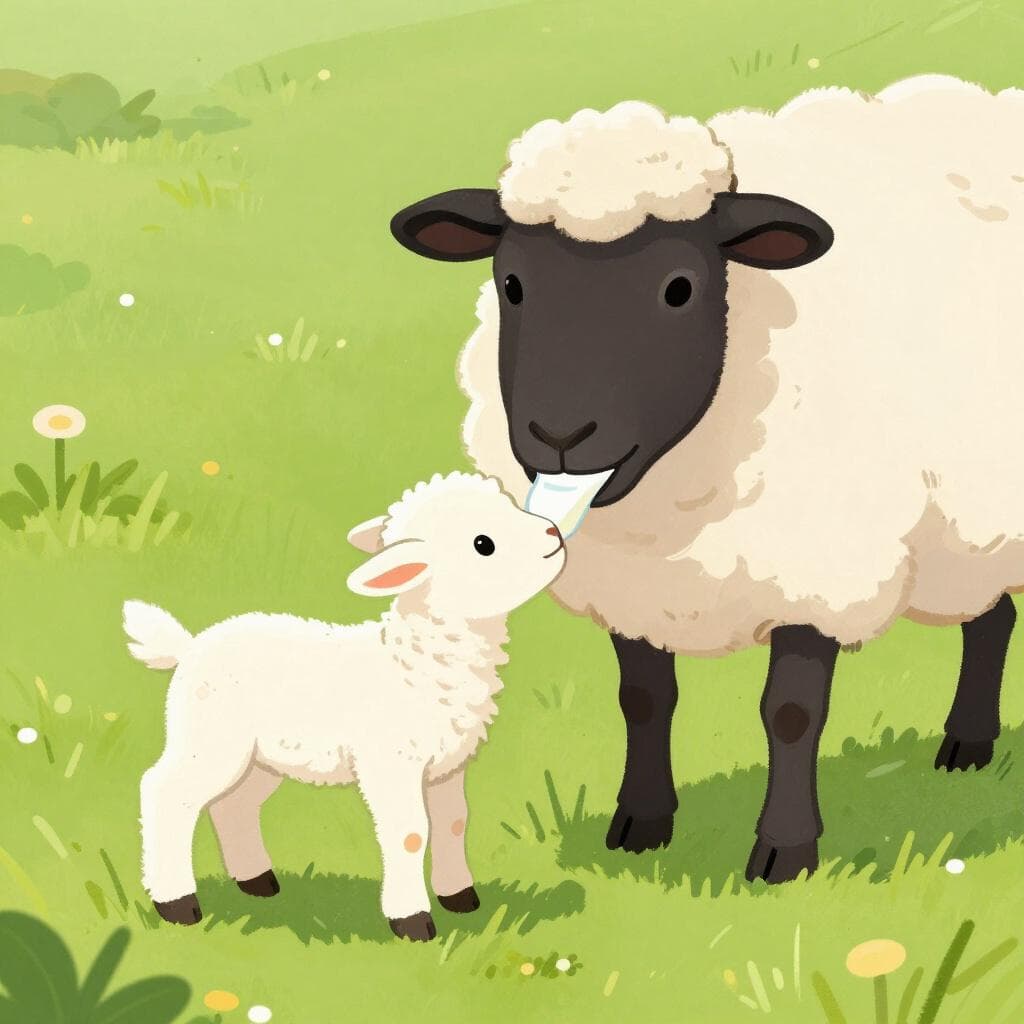
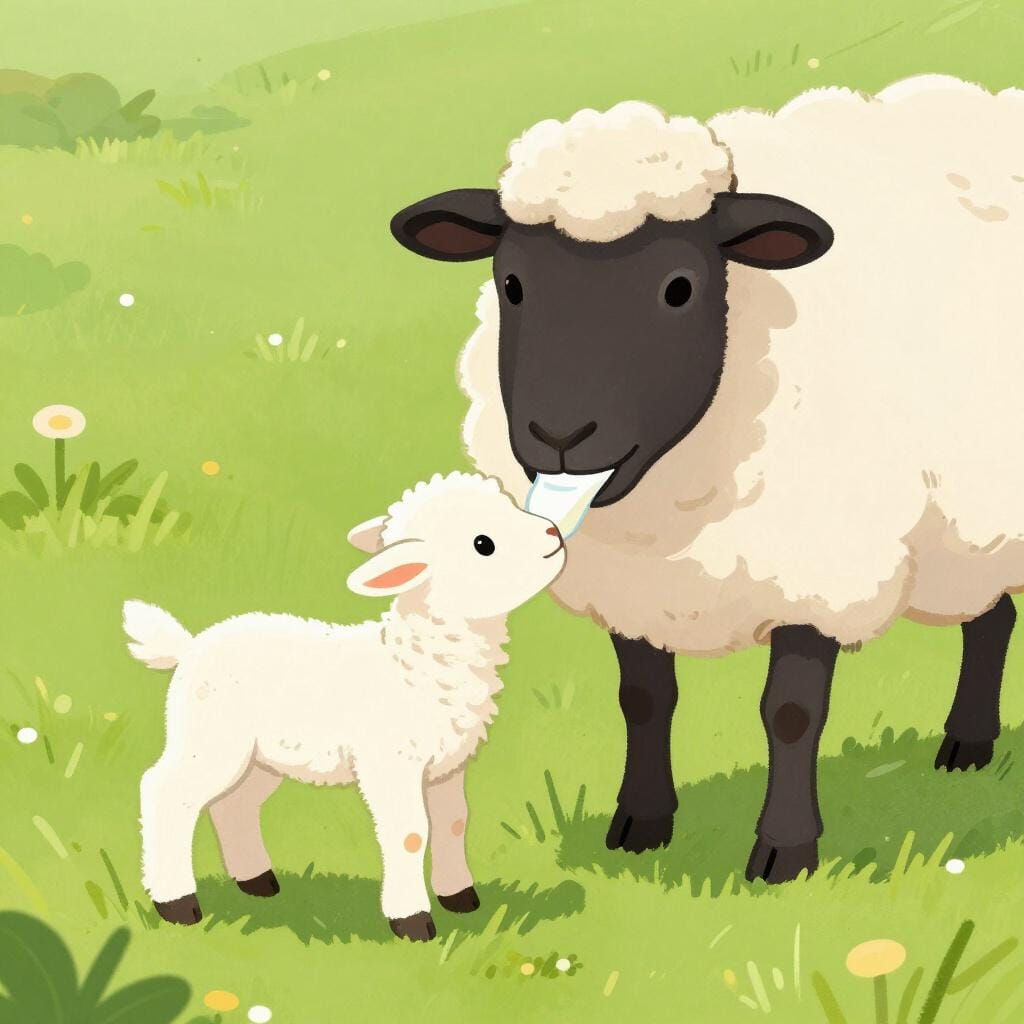
Use 'mamar' specifically for an infant or baby taking milk from the breast, whether human or animal.
Learn more →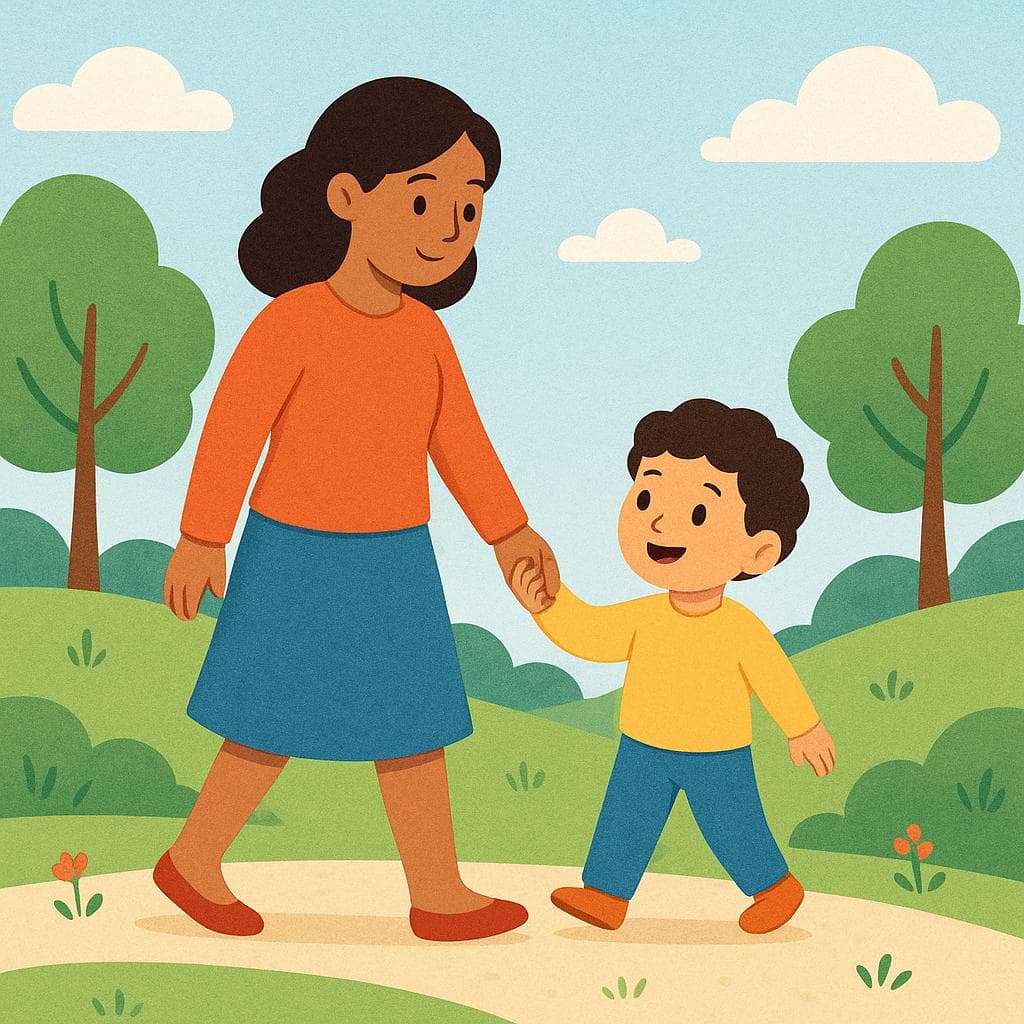
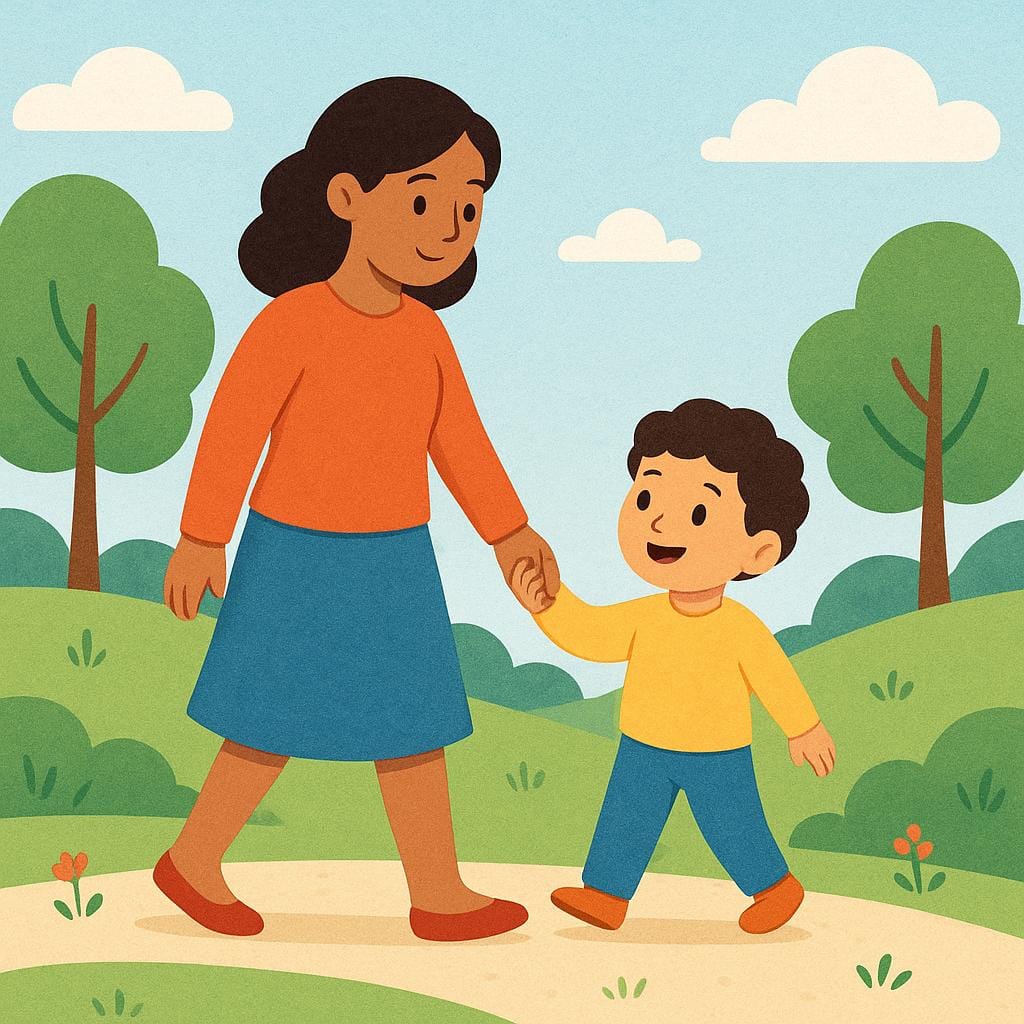
Use 'criar' for the broader concept of raising or bringing up a child or animal, which can include feeding but focuses more on overall upbringing.
Learn more →ah-lee-men-TARali.menˈtaɾ

Examples
El enfermero alimenta al paciente con cuidado.
The nurse feeds the patient carefully.
Yo alimento a mi perro dos veces al día.
I feed my dog twice a day.
La madre alimenta al bebé con una cuchara.
The mother feeds the baby with a spoon.
Debemos alimentar bien a los niños para que crezcan fuertes.
We must nourish the children well so they grow up strong.
Using 'A' with People
When 'alimentar' is followed by a specific person or pet, you must use the word 'a' before them (e.g., alimentar a mi hijo). This is the 'personal a'.
Confusing 'Alimentar' and 'Comer'
Mistake: “El perro come la comida. (Intending to say: The dog is fed the food.)”
Correction: El perro es alimentado con la comida. ('Comer' means the subject eats; 'alimentar' means the subject gives food.)
mah-MAHRmaˈmaɾ
Examples
El bebé llora porque quiere mamar.
The baby is crying because he wants to nurse.
El bebé necesita mamar cada tres horas.
The baby needs to nurse every three hours.
Vimos a los perritos mamando de su madre.
We saw the puppies suckling from their mother.
El ternero dejó de mamar ayer.
The calf stopped nursing yesterday.
Biological Direction
'Mamar' is what the baby does (taking milk). To describe what the mother does (giving milk), use 'amamantar' or 'dar de mamar'.
Standard -AR Pattern
This verb follows the exact same patterns as 'hablar.' If you know one, you know the other!
Who is doing the action?
Mistake: “La madre está mamando.”
Correction: La madre está amamantando (or dando de mamar). 'Mamar' is the action of the one receiving the milk.
kree-ARkɾiˈaɾ
Examples
Ellos criaron a sus hijos con mucho amor.
They raised their children with a lot of love.
Ellos criaron a tres hijos en el campo.
They raised three children in the countryside.
¿Quién te crió? ¿Tu abuela?
Who brought you up? Your grandmother?
The Stress on the 'i'
Notice the accent mark over the 'i' in the present tense (crío, crías, cría, crían). This is because the stress falls on the 'i', separating it from the 'a'. This is why it acts like a regular verb but looks a little irregular!
Confusing 'Criar' and 'Crear'
Mistake: “Using 'crear' when you mean 'to raise' ('Yo creo mis hijos').”
Correction: Use 'criar' (Yo crío mis hijos). 'Crear' means 'to create' (like art or a new idea).
Feeding vs. Breastfeeding vs. Raising
Learners often confuse 'alimentar' and 'mamar'. Remember that 'alimentar' is general feeding, while 'mamar' is specifically about nursing from the breast. 'Criar' is even broader, meaning to raise or bring up.
Related Translations
Learn Spanish with Inklingo
Interactive stories, personalized learning, and more.