How to Say "to farm" in Spanish
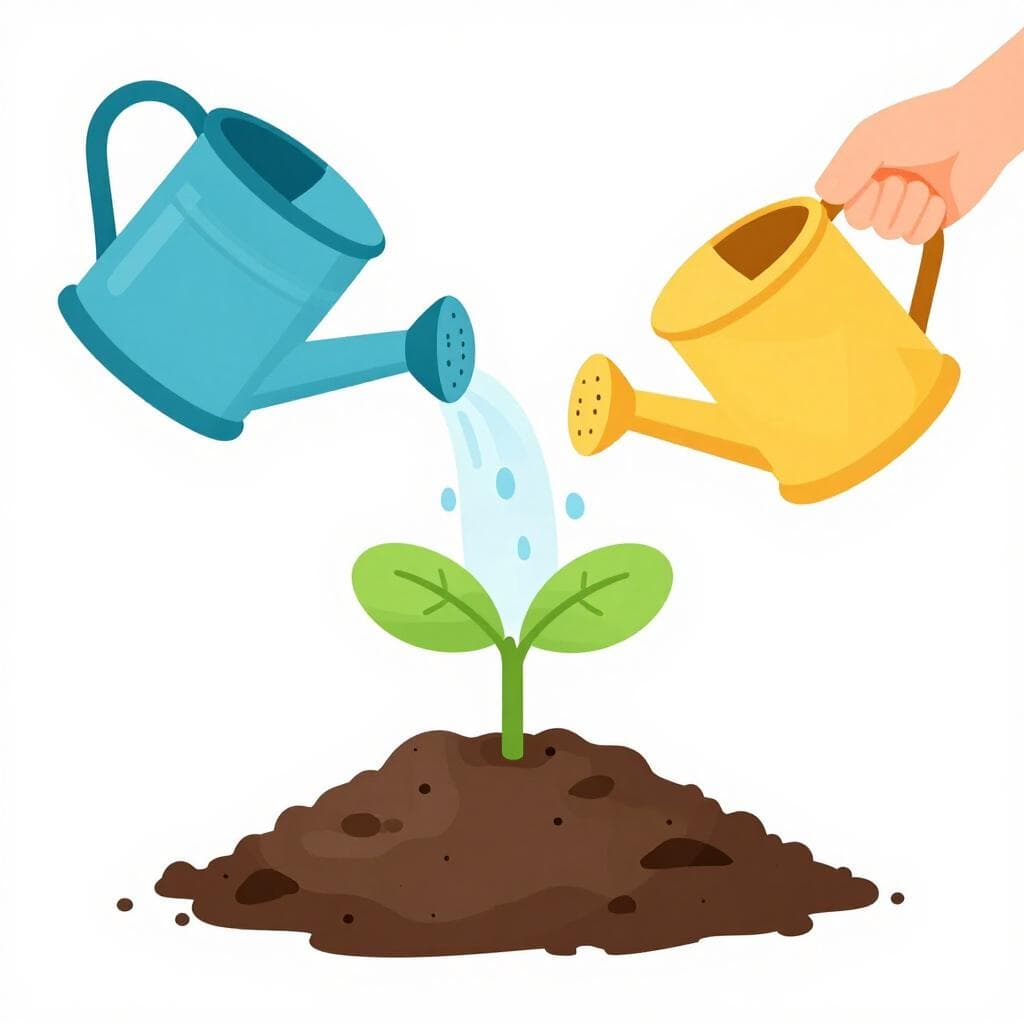
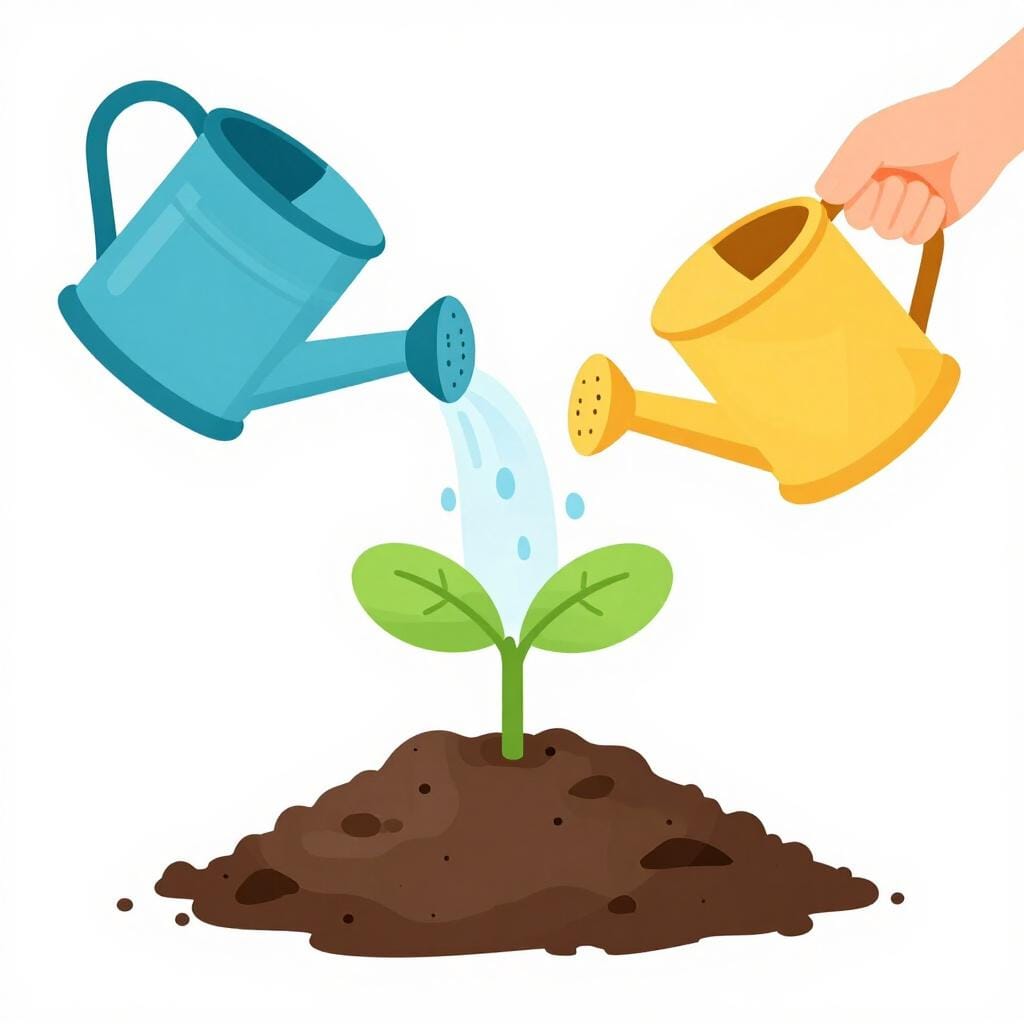
The most common Spanish word for “to farm” is “cultivar” — use 'cultivar' when referring to growing plants, crops, or specific species on land.

kool-tee-BARkultiˈβaɾ
Examples
Mi padre cultiva maíz en sus campos.
My father grows corn on his fields.
Mi abuelo cultiva tomates en su jardín.
My grandfather grows tomatoes in his garden.
Es difícil cultivar arroz en este clima tan seco.
It is difficult to grow rice in this very dry climate.
Ellos cultivan la tierra con métodos tradicionales.
They farm the land using traditional methods.
Grow vs. Cultivar
In English, you can say 'the plant grows' (it happens on its own) or 'I grow plants' (you do the work). In Spanish, use 'crecer' for the plant's own growth, and 'cultivar' for the work you do to make it grow.
Using 'Crezco' for Farming
Mistake: “Crezco tomates en mi patio.”
Correction: Cultivo tomates en mi patio. (Use 'cultivar' when you are the one doing the gardening/farming).
kree-ARkɾiˈaɾ
Examples
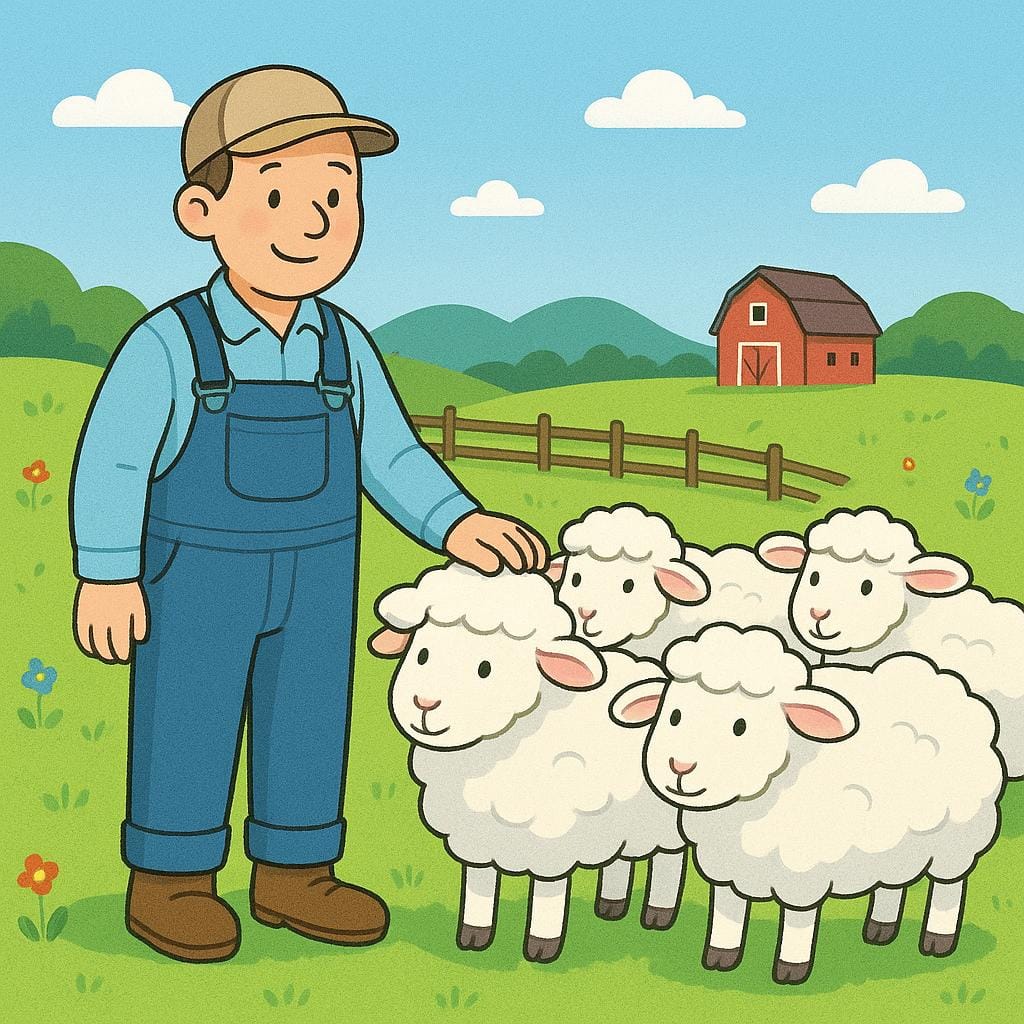
En esta granja crían ovejas para lana.
On this farm, they raise sheep for wool.
En esta región crían ganado para exportación.
In this region, they breed cattle for export.
Mi tío cría gallinas y patos en su granja.
My uncle rears chickens and ducks on his farm.
Animals vs. Plants
The most common mistake is using 'cultivar' for animals or 'criar' for plants. Remember: 'cultivar' is for growing things (like crops), and 'criar' is for raising living beings (like animals).
Related Translations
Learn Spanish with Inklingo
Interactive stories, personalized learning, and more.