How to Say "unseen" in Spanish
The most common Spanish word for “unseen” is “invisible” — use this word when something is literally not capable of being seen, like air or certain microscopic particles.



invisible
in-bee-SEE-blayimbiˈsible

Examples
El aire es inodoro e invisible.
The air is odorless and invisible.
La frontera entre los dos países es una línea invisible en el mapa.
The border between the two countries is an invisible line on the map.
Para un niño, los monstruos son muy reales, aunque sean invisibles.
For a child, the monsters are very real, even if they are invisible.
One Form for Both Genders
This adjective ends in '-e', which is a great shortcut! It describes both masculine nouns (el muro invisible) and feminine nouns (la pared invisible) without changing its form.
Making it Plural
To describe more than one thing, simply add '-s': 'los enemigos invisibles' (the invisible enemies).
Adding Gender Endings
Mistake: “La mesa invisibla.”
Correction: La mesa invisible. Remember, adjectives ending in '-e' usually don't change to match a feminine noun.
oculto
oh-KUL-tohoˈkulto

Examples
El tesoro permaneció oculto durante siglos.
The treasure remained hidden for centuries.
Encontraron una habitación oculta detrás de la estantería.
They found a hidden room behind the bookcase.
Necesitas buscar un interruptor oculto para abrir la puerta.
You need to look for a concealed switch to open the door.
Agreement is Key
Since 'oculto' is an adjective, it must change its ending to match the noun it describes: 'el lugar oculto' (masculine singular), 'la cámara oculta' (feminine singular), 'los mensajes ocultos' (masculine plural).
Forgetting the 'Ser' or 'Estar'
Mistake: “La llave oculto.”
Correction: La llave está oculta. (The key is hidden.) Remember to use a form of 'ser' or 'estar' before the adjective to form a complete sentence.
desapercibido
dehs-ah-pehr-see-bee-dohdesapeɾsiˈβiðo
Examples
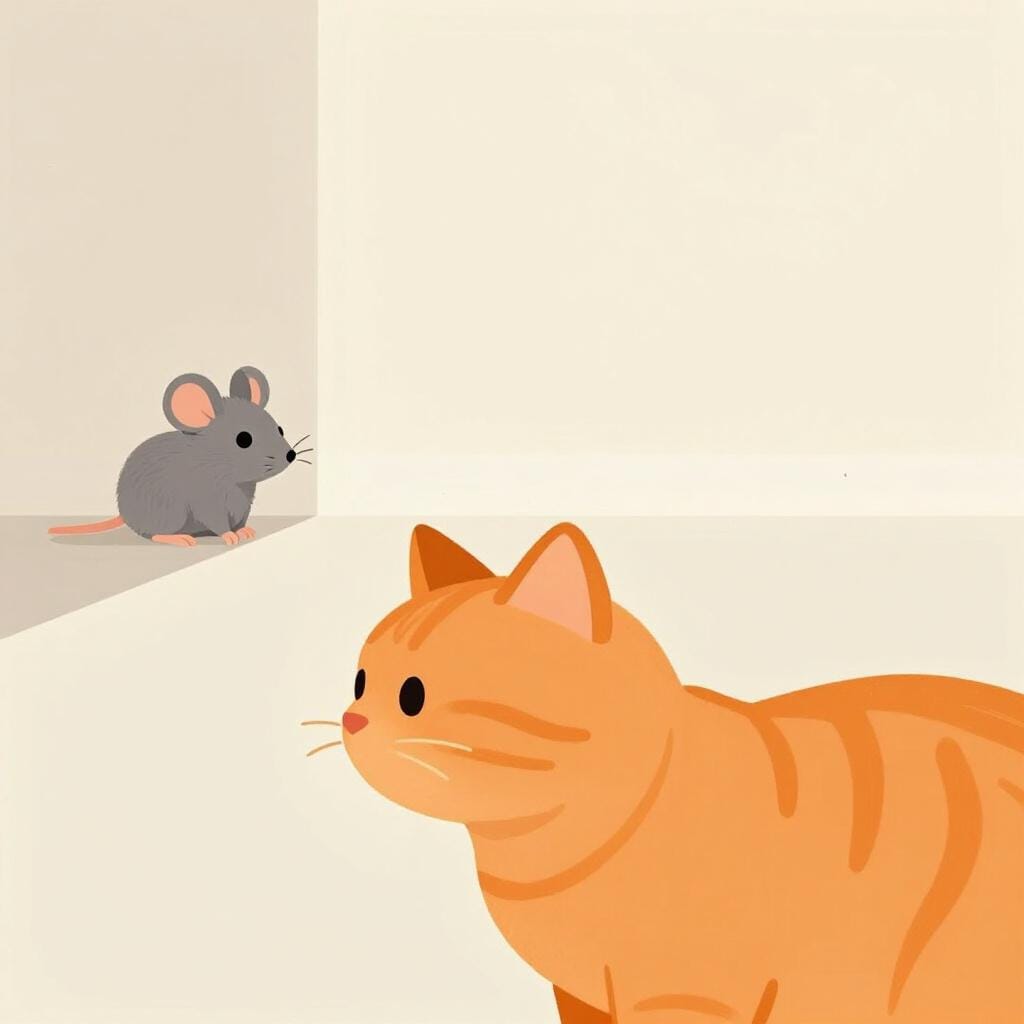
El error pasó desapercibido por mucho tiempo.
The mistake went unnoticed for a long time.
Ella intentó entrar a la reunión desapercibida.
She tried to enter the meeting unnoticed.
Sus comentarios no pasaron desapercibidos para el jefe.
His comments did not go unnoticed by the boss.
Matching the Subject
Since this word acts as a describing word, you must change the ending to match who or what you are talking about: 'desapercibido' (man), 'desapercibida' (woman), 'desapercibidos' (men/mixed), 'desapercibidas' (women).
The 'Pasar' Partner
In Spanish, we almost always use the verb 'pasar' (to pass) with this word to say someone 'went' unnoticed. We don't use 'ir' (to go) like in English.
Using the wrong verb
Mistake: “Él fue desapercibido.”
Correction: Él pasó desapercibido. In Spanish, we use the verb 'to pass' to express the action of staying out of sight or attention.
Forgetting Gender Agreement
Mistake: “Las chicas pasaron desapercibido.”
Correction: Las chicas pasaron desapercibidas. Remember to make the word feminine and plural if you're talking about a group of women.
Noticing the Unnoticed
Related Translations
Learn Spanish with Inklingo
Interactive stories, personalized learning, and more.